
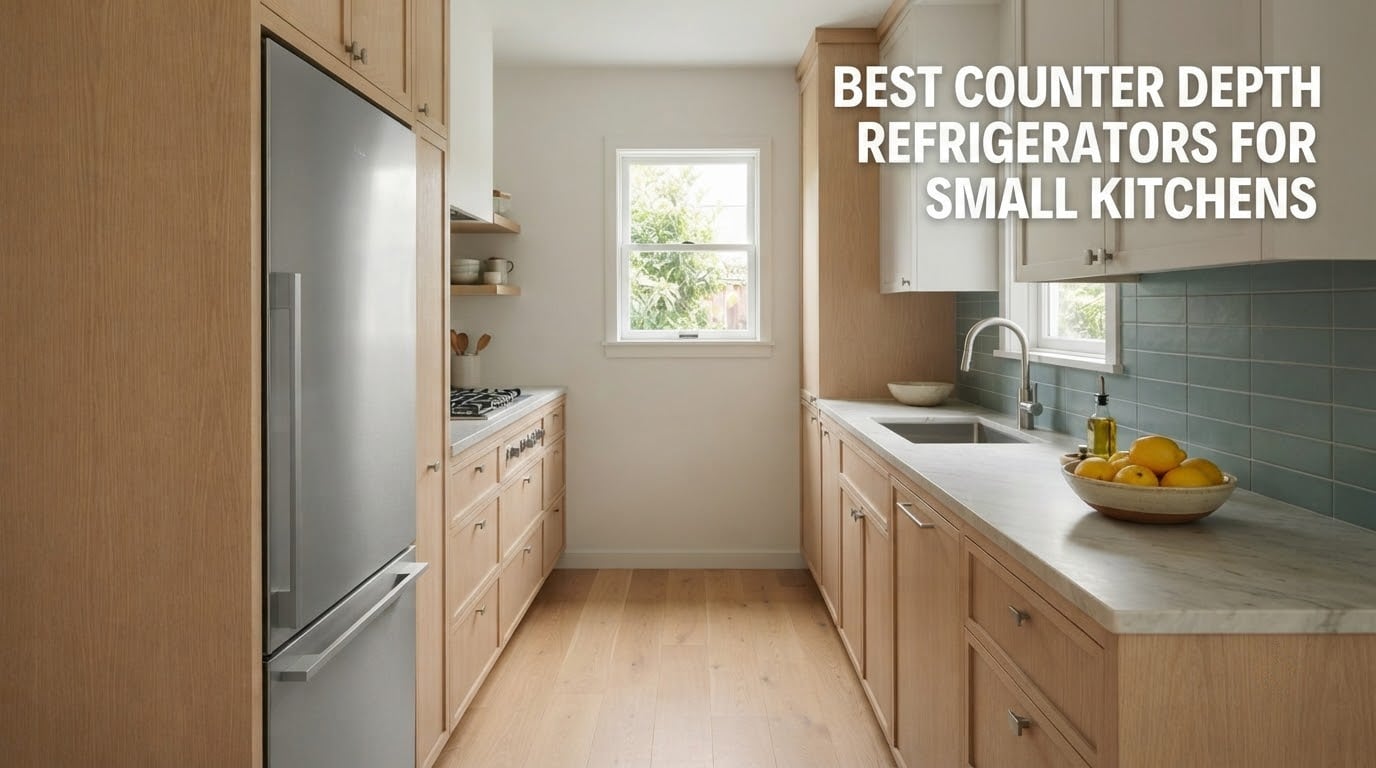
A refrigerator is the widest single object in most kitchens, and in a small one it decides how the room works. Searching for the best counter depth refrigerators for small kitchens usually starts with capacity and ends with a measuring tape, because the model that looked perfect in the showroom is often the one that blocks your walkway or will not clear your doorway.
Counter-depth refrigerators sit roughly flush with your cabinetry instead of projecting several inches into the room. That sounds like a small detail until you stand in a galley kitchen with two people working at once and realize the aisle is 4 inches wider than it was last week.
We compared 10 counter-depth refrigerators across width, depth, usable capacity, door configuration, energy draw and warranty, then matched each one to the room it actually fits. Every dimension in this guide comes from the manufacturer’s specification sheet, and every rating comes from owner reviews on Amazon. If you are also rebuilding the rest of the room, our picks for the best induction cooktops for small kitchens follow the same fit-first logic.
Table of Contents
Top 3 Counter-Depth Refrigerators for Small Kitchens in 2026

Best Counter-Depth Refrigerators Compared in 2026
Every model below is measured against the same question: will it fit a small kitchen and still do the job. Width is the number that decides whether it goes into your opening, depth decides whether it eats the walkway, and capacity decides whether you can shop for a week.
| Product | Specifications | Action |
|---|---|---|
| KoolMore KM-RERFDSS-18C 18.5 cu. ft. Counter-Depth French Door |
|
Check Latest Price |
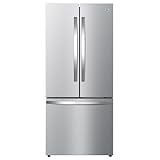 Kenmore 17.5 cu. ft. Counter-Depth French Door with Ice Maker Kenmore 17.5 cu. ft. Counter-Depth French Door with Ice Maker |
|
Check Latest Price |
 Sharp SJB1045SNS 10.3 cu. ft. 24 Inch Wide Refrigerator Sharp SJB1045SNS 10.3 cu. ft. 24 Inch Wide Refrigerator |
|
Check Latest Price |
 GE GYE22GYNFS 22.1 cu. ft. Counter-Depth French Door GE GYE22GYNFS 22.1 cu. ft. Counter-Depth French Door |
|
Check Latest Price |
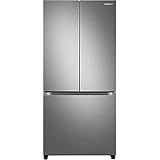 Samsung RF18A5101SR 18 cu. ft. Smart Counter-Depth French Door Samsung RF18A5101SR 18 cu. ft. Smart Counter-Depth French Door |
|
Check Latest Price |
 Hamilton Beach HBF1558 15.6 cu. ft. Side-by-Side Counter-Depth Refrigerator Hamilton Beach HBF1558 15.6 cu. ft. Side-by-Side Counter-Depth Refrigerator |
|
Check Latest Price |
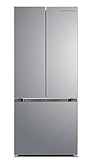 Hamilton Beach HBF1770 17.7 cu. ft. Counter-Depth French Door Hamilton Beach HBF1770 17.7 cu. ft. Counter-Depth French Door |
|
Check Latest Price |
 Bosch B36CL80SNS 20.5 cu. ft. Four-Door Counter-Depth Refrigerator Bosch B36CL80SNS 20.5 cu. ft. Four-Door Counter-Depth Refrigerator |
|
Check Latest Price |
 Upstreman FC149 14.9 cu. ft. Four-Door Counter-Depth Refrigerator Upstreman FC149 14.9 cu. ft. Four-Door Counter-Depth Refrigerator |
|
Check Latest Price |
 COSMO Vista Collection 17.5 cu. ft. Counter-Depth French Door COSMO Vista Collection 17.5 cu. ft. Counter-Depth French Door |
|
Check Latest Price |
Will It Actually Fit? The 5 Measurements to Take First
The single most common regret we hear about counter-depth fridges is not about capacity. It is about fit, and fit is settled before you ever click order. Take these five measurements in the room you actually live in, not in an empty one.
1. Cabinet opening width. Measure the gap between the wall and the nearest cabinet or wall, at the narrowest point. A standard 36 inch opening fits the 35.75 inch GE and 35.63 inch Bosch with very little room to spare, so tape both jambs before ordering. Anything wider than 36 inches gives you the full width of a 30 inch French door plus side clearance.
2. Wall-to-wall depth, plus door allowance. A counter-depth body still needs its doors to open past the cabinet face, so measure the alcove and add the door thickness. The Sharp measures 23.75 inch deep, the Hamilton Beach HBF1558 25.04 inch, and the Kenmore 31.77 inch, which is closer to a standard-depth body than most buyers expect.
3. Door swing radius. Stand where the refrigerator doors will open and check the path of the handle. A French door needs clearance for both upper doors to open past 90 degrees, and a side-by-side needs even more lateral room because neither half is ever out of your way.
4. Delivery doorway and hallway turns. Measure the narrowest door on the entire route from the truck to the kitchen, and measure the diagonal of any tight turn. A 35 inch wide refrigerator that fits your opening perfectly is useless if it cannot make it past the bathroom door in the hallway.
5. Ceiling and overhead clearance. Counter-depth models are often taller than the standard-depth units they replace, running between 70 and 73 inches here. The Sharp is the tallest at 73.2 inch, so check the gap above the opening, especially under a low cabinet or a soffit.
Two terms describe the hinge behavior you are buying. A zero-clearance hinge lets the door open flat against the wall so a cabinet can sit immediately beside the fridge, while a standard hinge needs several inches of side clearance. Hidden hinges, found on the Sharp and the COSMO Vista, do both jobs: the door disappears when open and leaves a clean panel line when shut.
If your opening is under 24 inches, a 24 inch wide model is your only realistic starting point. A compact air fryer buys back counter space, but only a narrower refrigerator buys back floor space.
1. KoolMore KM-RERFDSS-18C – Quiet 18.5 cu. ft. Counter-Depth French Door for Small Kitchens
KoolMore 30-Inch and 18.5 cu. ft. Counter Depth French Door Refrigerator with Three Doors and Deep Freezer in Stainless-Steel (KM-RERFDSS-18C)
18.5 cu. ft. capacity
29.5 inch wide by 30.1 inch deep by 66.6 inch tall
ENERGY STAR, 465 kWh per year
1 year parts and labor
Pros
- Inverter compressor delivers exceptionally quiet operation
- Spacious interior for a counter-depth footprint
- Even temperature distribution from the double-flow cooling system
- Door open alarm is genuinely useful in a tight kitchen
- 30 inch width suits a standard 36 inch opening
Cons
- Indented handles show fingerprints
- Interior lighting could be brighter
- No dedicated deli or cheese drawer
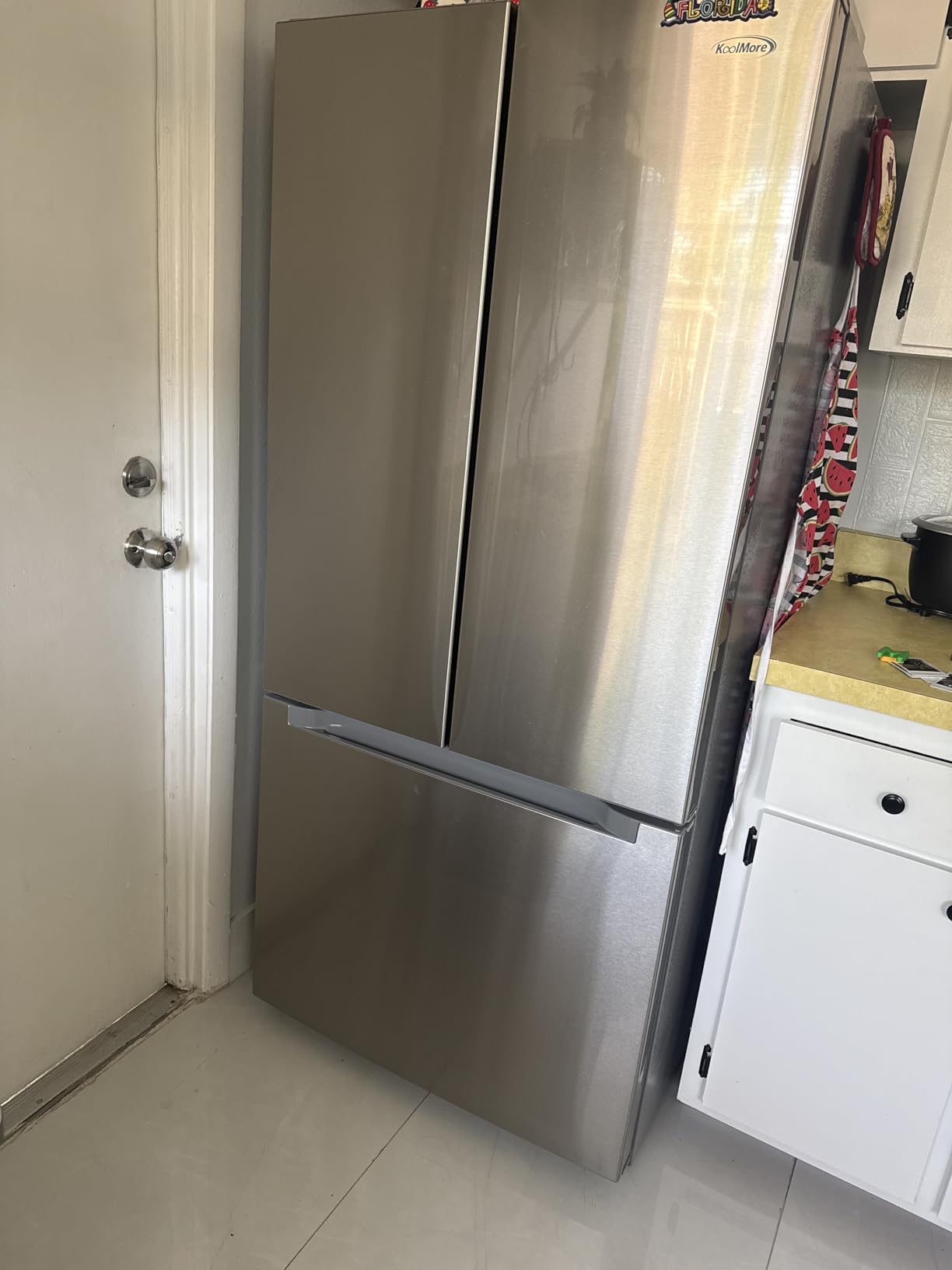
This is the refrigerator we keep coming back to because it solves the actual small-kitchen problem rather than just avoiding it. At 29.5 inches wide and 30.1 inches deep, it slides into a typical 36 inch opening with room on both sides, yet still holds 18.5 cubic feet, which is more than several standard-depth units in this list.
The thing you notice first is the noise level. The inverter compressor and the double-flow cooling system produce a hum you can stand next to in a normal kitchen without raising your voice, and that matters in an open-plan apartment where the fridge sits ten feet from your bed wall. Owners consistently single out the quiet operation as the reason they kept the unit.
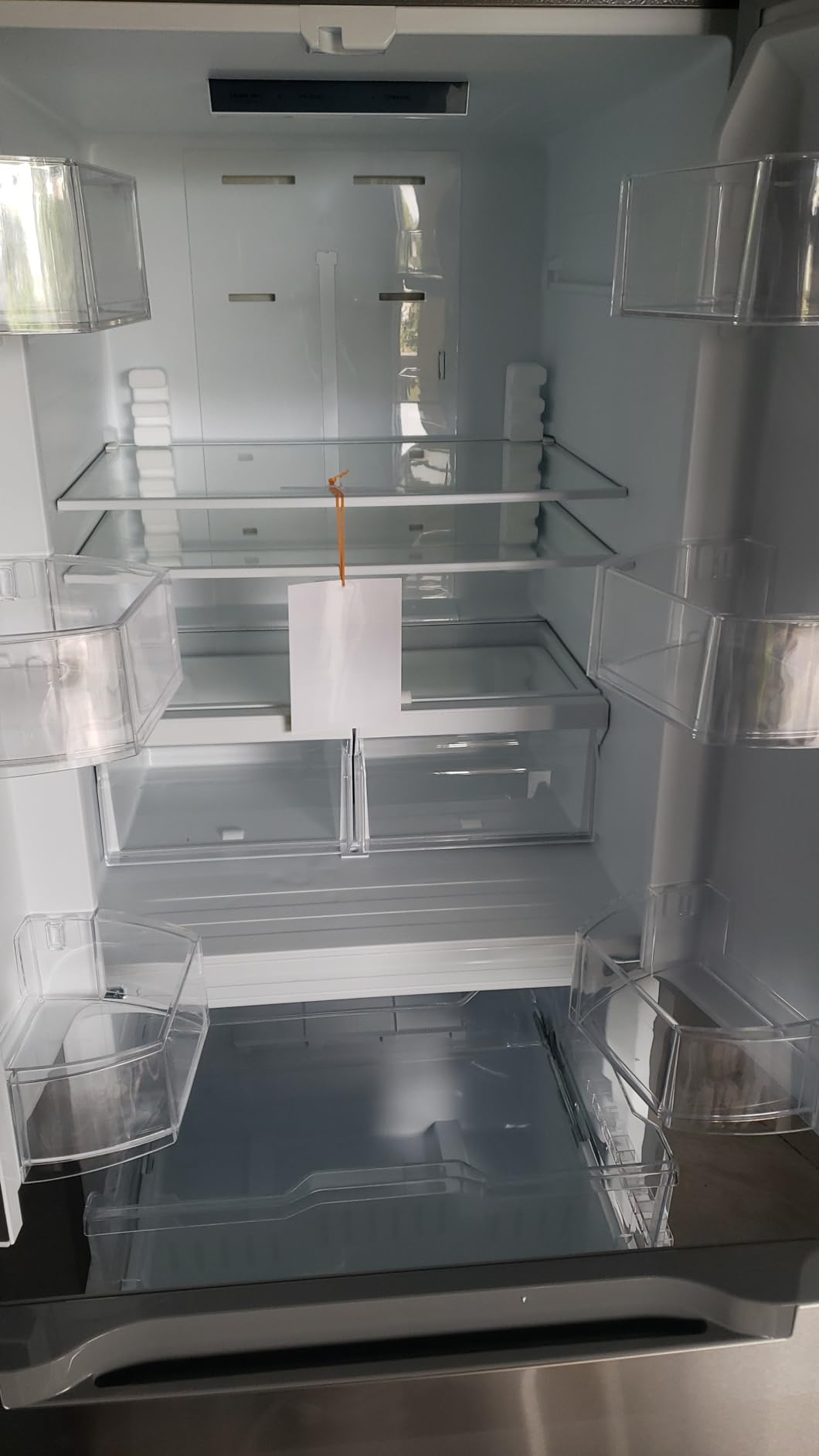
Storage is genuinely well planned for the footprint. Six door bins, double crispers with humidity control, and adjustable glass shelving mean you can fit a full week of groceries for two to three people without stacking containers on the floor of the fridge. The freezer splits into two large pull-out drawers, which is far better than a single cramped bottom compartment.
Be aware of what is missing. There is no dedicated deli drawer, and reviewers mention the interior lamp is dimmer than they would like, so plan to reach for a flashlight when you want to check the back shelf at night. The indented handles also collect fingerprints quickly, which matters in a kitchen where the fridge is the first thing anyone sees.
Why it fits a small kitchen better than most
The 30 inch width is the whole trick. Standard kitchen cabinetry is built in 36 inch bays, so a 30 inch wide fridge leaves three inches on each side for ventilation and leveling feet, and the body still projects only 30.1 inches into the room.
The shorter 66.6 inch height also matters more than it looks. It is four inches shorter than the GE and five shorter than the Bosch in this roundup, which means it clears under a shorter upper cabinet in a galley kitchen where a 70 inch French door would not.
Where it falls short
At 18.5 cubic feet it is a poor fit for a family of five or anyone who shops once a week for four people. The fresh food section and the freezer are well proportioned, but there is no third freezer zone, so bulk purchases still need another chest freezer somewhere in the home.
Warranty coverage is one year on parts and labor, which is standard for the category rather than generous. Nobody reports trouble with it, but the coverage is not extended either, so keep the model number somewhere you can find it.
2. Kenmore 17.5 cu. ft. Counter-Depth French Door With Factory Ice Maker
Kenmore 17.5 cu. ft 30″ Wide French Door Refrigerator – FPR Stainless Steel
17.5 cu. ft. capacity
29.88 inch wide by 31.77 inch deep by 70.3 inch tall
ENERGY STAR, 512 kWh per year
Fingerprint-resistant stainless
Pros
- Counter-depth body that preserves walkway width
- Factory-installed ice maker
- ENERGY STAR certified with inverter compressor
- Multi-flow air system cools evenly
- Fingerprint-resistant finish
Cons
- Only 17.5 cu. ft. for larger households
- Single ice maker with no dual ice option
- Limited color choices
The Kenmore has the largest review base in this group at 75 owner ratings, and that volume is why the rating sits lower than most here. Owners consistently praise the counter-depth footprint, the fingerprint-resistant finish, and the ice maker that ships installed, while pointing out that 17.5 cubic feet is modest once a second adult starts shopping for the week.
It is also the deepest unit we tested, at 31.77 inches. That is still inside the counter-depth range, but in a galley kitchen the difference between 30.1 inches and 31.77 inches is visible across the aisle, so measure twice before committing to a 36 inch opening.
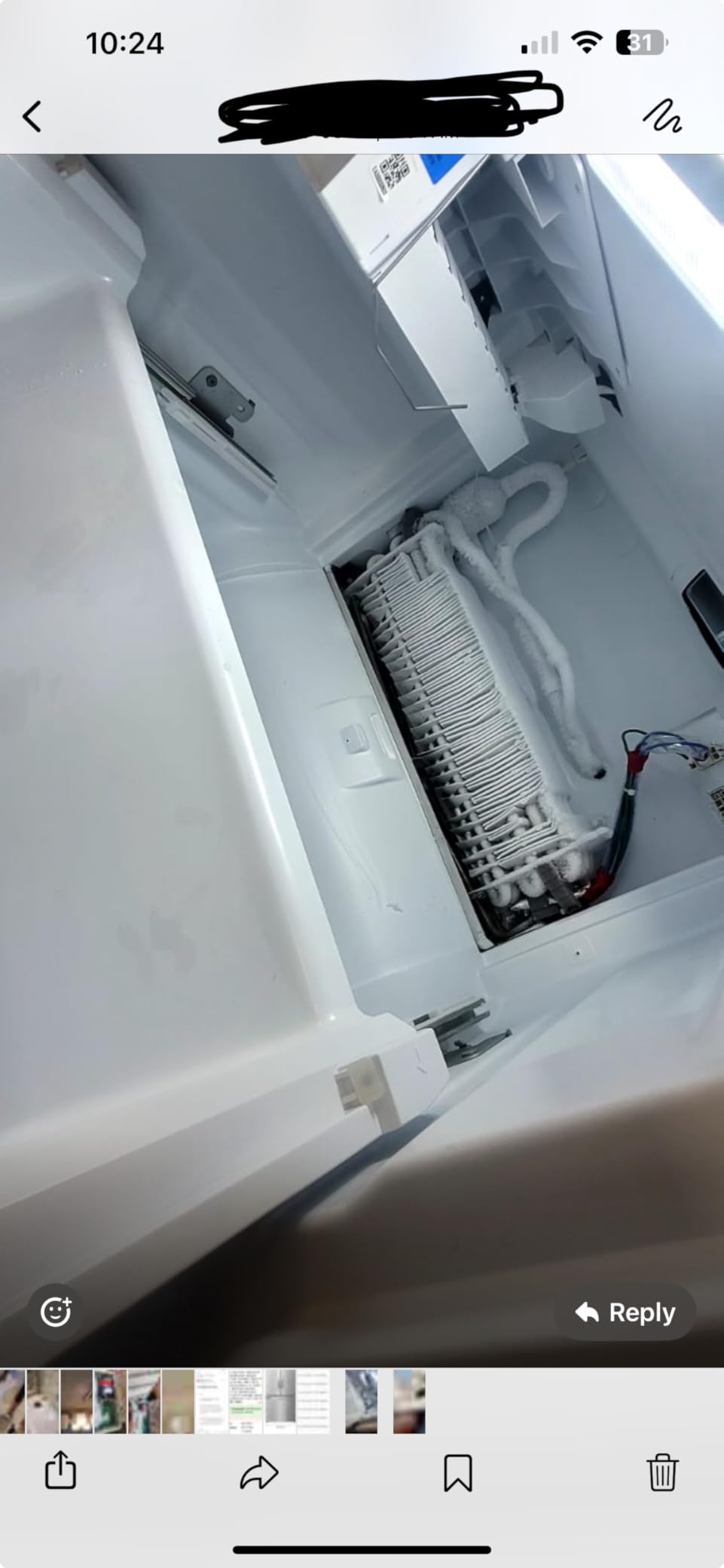
Cooling is handled by an inverter compressor feeding a Chill and Multi-Flow Air System, and at 512 kilowatt hours per year the running cost sits in the middle of the field. It carries ENERGY STAR certification, and the frost-free cycle means no manual defrosting. The 12.4 cubic foot fresh food section includes gallon-size door bins, which is the feature most-used in a household of one or two.
The 3.7 average rating is not a reliability warning so much as a capacity complaint repeating itself. If you are one person, or two people who shop twice a week, this is generous. If you are four people, the extra half cubic foot over the COSMO is not going to change the outcome.
What the ice maker actually adds
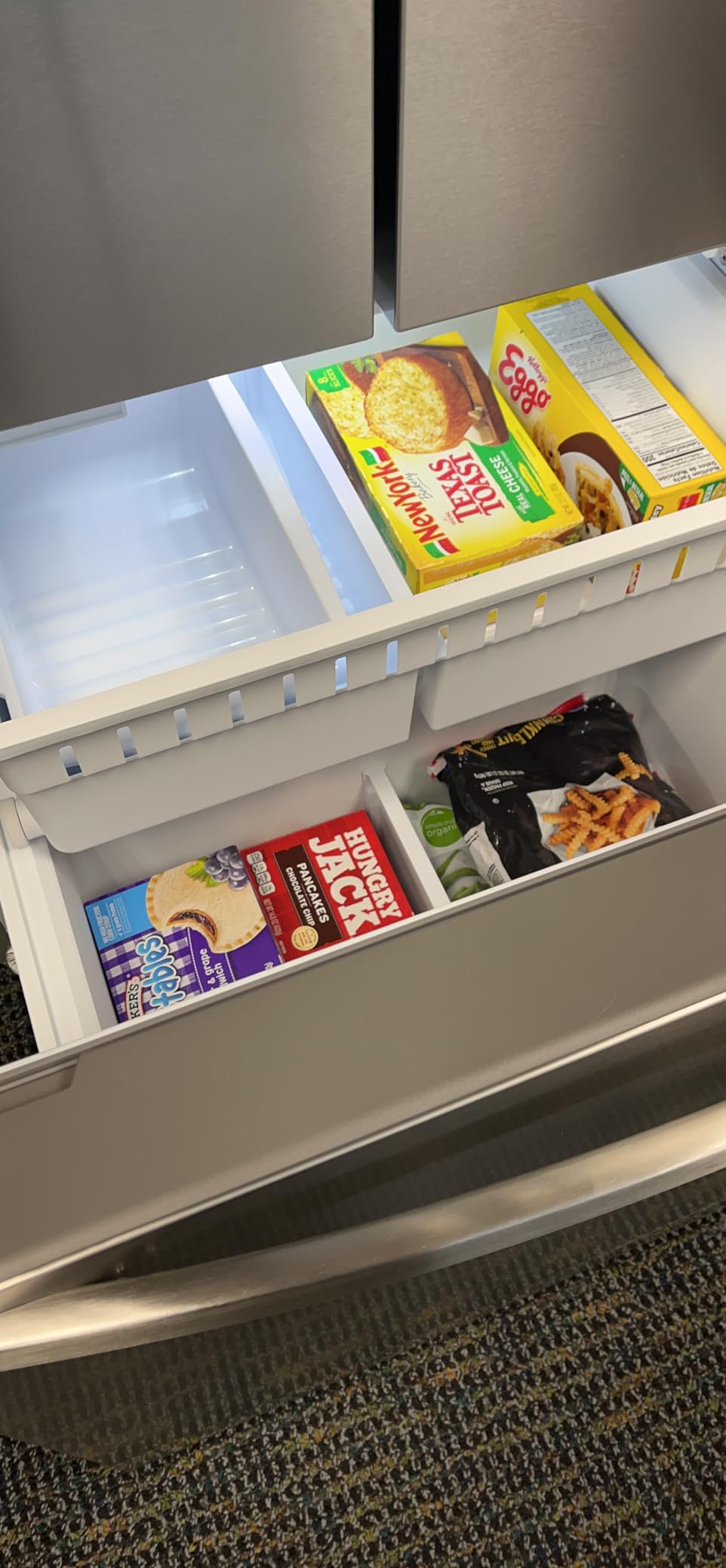
A factory-installed ice maker means no retrofit, no water line running to the back of an already-finished wall, and no drilling through cabinetry. For a rental apartment or a galley kitchen where the plumbing is inconvenient, that convenience is the main argument for this model.
The trade-off is that a single-bucket ice maker is the most common service call in this category, and in-door water dispensers are worse. Owners of the models with through-door dispensers report filter changes and repairs more often than owners of units without one.
Where it falls short
At 189.6 pounds and 70.3 inches tall, this unit needs a planned delivery path. Ask whether the crew will place it in the kitchen alcove or leave it at the entrance.
Color options are limited, and the finish is a fingerprint-resistant stainless rather than a true panel-ready front. If your cabinets are painted wood, this will read as an appliance in the room rather than a built-in element. At 189.6 pounds, moving it into position is a two-person job.
3. Sharp SJB1045SNS – 24 Inch Wide Refrigerator for Studio and Galley Kitchens
Sharp SJB1045SNS 10.3 cu.ft. 24 in. 2 Door Refrigerator
10.3 cu. ft. capacity
23.6 inch wide by 23.75 inch deep by 73.2 inch tall
ENERGY STAR, 385 kWh per year
Reversible doors
Pros
- Narrowest width in this roundup at 23.6 inches
- ENERGY STAR certified and efficient at 385 kWh per year
- Hidden hinges and recessed handles keep the profile flat
- Reversible doors for left or right hinge
- Garage-ready
Cons
- Only 10.3 cu. ft. of storage
- 2.9 cu. ft. freezer is small
- Installation crew refused a door reversal request
This is the answer for a kitchen that genuinely cannot hold a 30 inch refrigerator. At 23.6 inches wide and 23.75 inches deep, it fits openings that rule out every French door on this list. The ENERGY STAR certification and 385 kilowatt hours per year keep the running cost low even in a studio apartment on a tight budget.
Owners like the quiet operation and the quality of the finish for the money, and the Multi Air Flow cooling system handles a 10.3 cubic foot interior more evenly than you would expect. The 2.9 cubic foot bottom freezer is genuinely small, so treat it as a fresh food fridge with ice storage rather than a freezer for a family.
That narrow 24 inch width is not just an aesthetic choice. In a galley kitchen, moving from 32.91 inches on the Hamilton Beach side-by-side to 23.6 inches here returns roughly nine inches of floor width, which is the difference between a workable aisle and a squeeze past your partner. Our picks for counter height bar stools for tight layouts assume the same kind of measured space.
Why this fits where nothing else will
Hidden hinges mean the door opens flat against the wall, and the recessed handles keep the depth honest. Reversible doors are the feature to pay attention to: the hinge can be mounted on either side, which is how a fridge ends up in a corner with the door opening toward the wall.
Because it is only 23.6 inches wide, it can sit inside a 24 inch cabinet bay with a filler panel on either side, which is the standard way of finishing an under-counter appliance run in a studio apartment.
Where it falls short
Ten cubic feet is the trade everyone with this model makes. Owners upgrading from a 30 inch standard-depth unit report being happy when the household is one or two people, and the same owners are the ones who warn a family of three will outgrow it in a year.
Several owners reported that the delivery and installation service refused a door reversal request they had planned for, so confirm hinge orientation with the manufacturer before the truck arrives. Reversible doors are a hardware feature, not a service policy.
4. GE GYE22GYNFS – 22.1 cu. ft. Counter-Depth French Door With Cold Water Dispenser
GE GYE22GYNFS 36″ French Door Counter Depth Refrigerator with 22.1 cu. ft. Total Capacity Space Saving Ice Maker Showcase LED Lighting in Stainless Steel
22.1 cu. ft. capacity
35.75 inch wide by 31.25 inch deep by 70.5 inch tall
ENERGY STAR, 665 kWh per year
5 shelves
Pros
- Largest capacity in this roundup
- Showcase LED lighting brightens every shelf
- Cold water dispenser in the door
- Adjustable shelves handle tall items
- ADA compliant
Cons
- Ice maker reliability reported by owners
- Display panel is hard to read without a backlight
- Filter changes add a recurring cost
At 22.1 cubic feet this is the most storage you can get in this roundup, and the 14.92 cubic foot fresh food section holds more than any other model here. If your small kitchen is small in footprint but busy in cooking, capacity is often the constraint that matters more than depth.
The Showcase LED lighting is the feature owners mention most, and it is a genuine improvement in a compact interior where a back shelf disappears into shadow. The five adjustable shelves move up and down for tall items, and the ADA compliant design with a cold water dispenser in the door suits a household where someone has limited reach.
Two things to weigh. The body is 35.75 inches wide, so it fills a 36 inch cabinet opening almost completely and leaves very little side ventilation room, and the 31.25 inch depth is on the deeper side for a counter-depth unit. Both are fine in a dedicated alcove and wrong for a narrow gap between two walls.
At 665 kilowatt hours per year this draws the most power of any ENERGY STAR certified model here, which tracks with its size. In a studio apartment that is a real running difference over ten years, so factor it in alongside the capacity you are paying to store.
Who should spend the extra for this one
Households of three or four who cook most meals at home. The 7.16 cubic foot freezer is the second largest here, and a 14.92 cubic foot fresh food section means a week of groceries fits without a second refrigerator elsewhere in the home.
If you have a dedicated refrigerator alcove with room on both sides, the extra width buys storage that no 30 inch model in this list can match.
What owners report going wrong
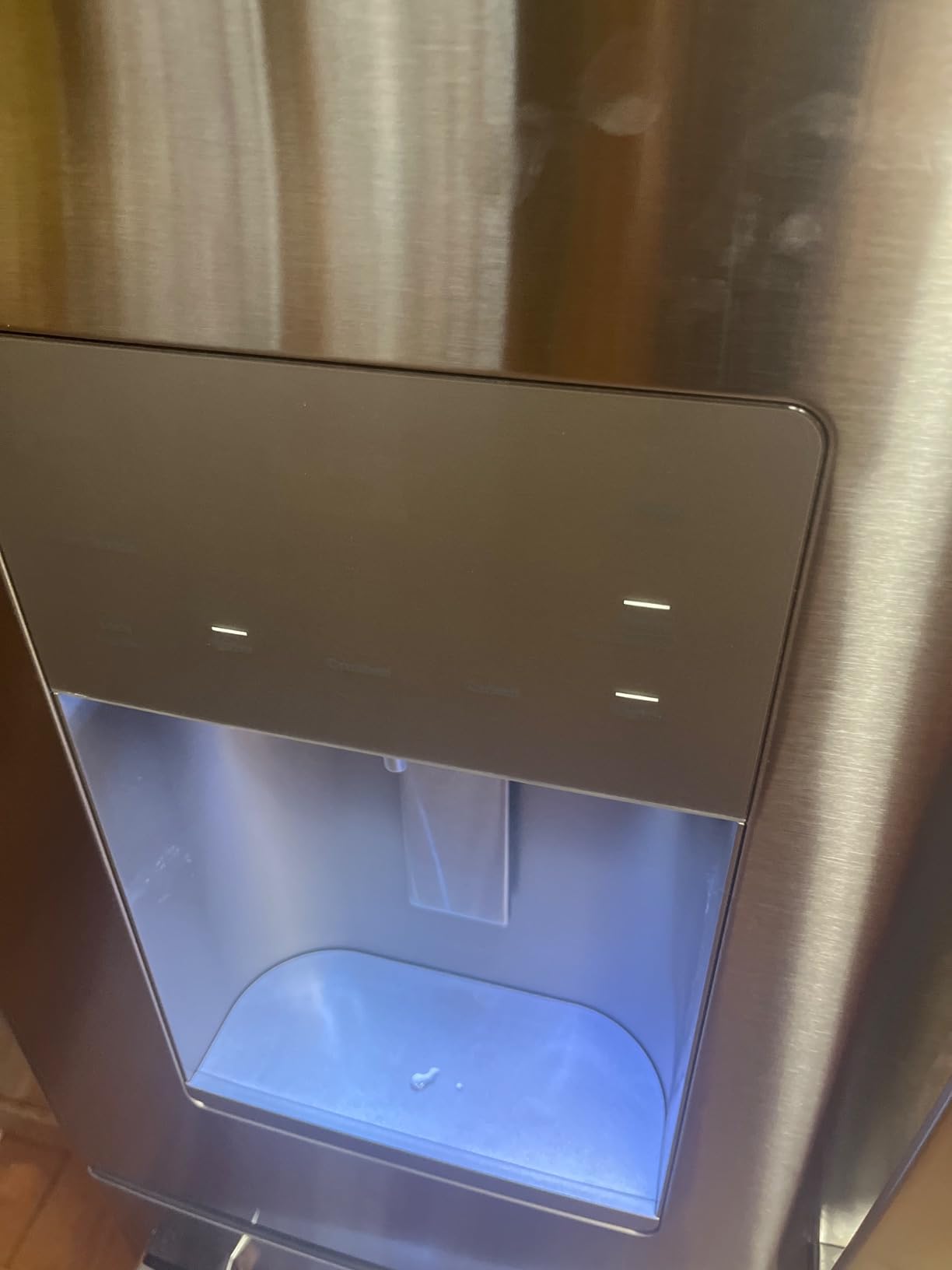
The ice maker is the most common complaint, which matches what appliance forums say repeatedly about in-door ice and water systems across all brands. Several owners also note the exterior display is difficult to read without a backlight, so the internal temperature setting is hard to verify at a glance.
Water filter replacement is an ongoing cost owners mention, and a cold water dispenser without a filter is something we would not recommend buying. Measure whether the water line you need is already in the wall before you order.
5. Samsung RF18A5101SR – 18 cu. ft. Smart Counter-Depth Fridge With Twin Cooling
Samsung 17.5 cu. ft. Smart Counter Depth 3-Door French Door Refrigerator, Stainless Steel, RF18A5101SR/AA
18 cu. ft. capacity
32.13 inch wide by 28.5 inch deep by 70 inch tall
ENERGY STAR, 595 kWh per year
10 year compressor warranty
Pros
- Twin Cooling Plus separates humidity zones
- WiFi app control with alerts
- 28.5 inch depth is genuinely shallow
- 10 year warranty on the compressor
- ENERGY STAR certified
Cons
- Smart setup takes patience
- Recessed handles are hard to grip when full
- 18 cu. ft. is modest for the width
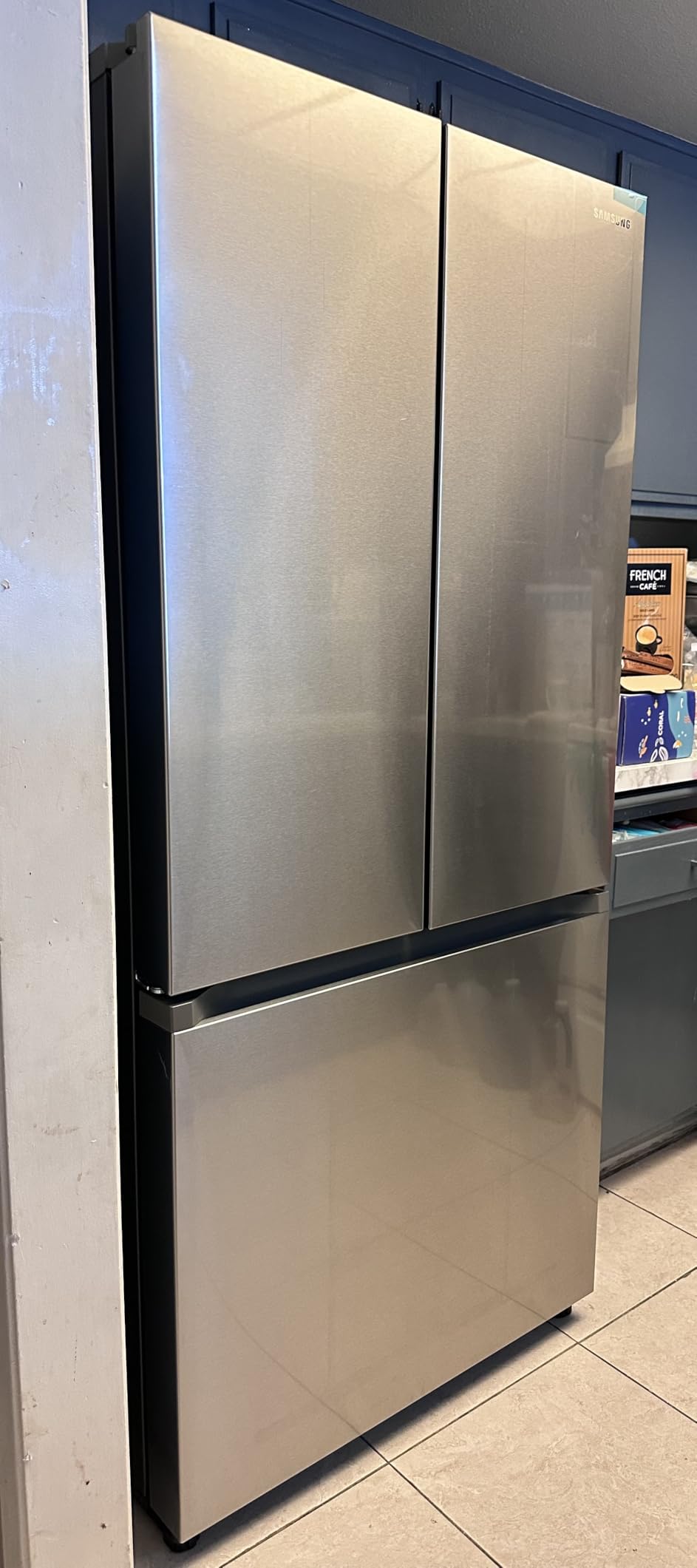
The Samsung is 28.5 inches deep, the shallowest French door in this roundup, so it projects less into the room than the 30.1 inch KoolMore or the 31.25 inch GE. In a kitchen where depth is the binding constraint, that difference is worth more than another feature on the app.
Twin Cooling Plus runs separate air paths for the refrigerator and freezer compartments, which limits odor transfer between them. Owners with a freezer-heavy household appreciate that separation, and the 5.8 cubic foot freezer with an 11.7 cubic foot fresh food section is a balanced split.
The app is the reason to consider this model at all. It sends notifications, lets you check the door state remotely, and adjusts temperature without walking to the kitchen, which is useful in a small open-plan space where the fridge is visible from most of the apartment.
The warranty is the strongest on this list for the sealed system, at 5 years on parts and labor plus 10 years on the digital inverter compressor. That coverage is meaningful on a sealed-system repair, which is exactly the repair that ends most refrigerators.
On the other hand, appliance forums carry repeated cautions about Samsung service experiences, and several owners here describe the smart setup as fiddly. Recessed handles are also harder to grip when the door is fully loaded, which is a small daily annoyance in a compact kitchen.
Is the smart feature worth it in a small kitchen
Only if you already use phone controls for something else. The useful parts are the door open alert and the temperature check, both of which stop a small fridge from going unnoticed in a tucked-away alcove. Everything else is a novelty on a 18 cubic foot capacity.
At 595 kilowatt hours per year, this sits in the upper half of the roundup for energy use. That is the cost of the connectivity hardware and the extra cooling circuitry, and it partly offsets the value of the app.
Who should look elsewhere
If you want the lowest maintenance burden and the least to go wrong, skip the app entirely and buy a dumb fridge. In-door dispensers and connected electronics are the two feature sets that generate the most repair calls in this category.
At 205 pounds it is one of the heavier units here, so plan the delivery path carefully if the kitchen is on an upper floor.
6. Hamilton Beach HBF1558 – 15.6 cu. ft. Side-by-Side Counter-Depth Refrigerator
Hamilton Beach HBF1558 15.6 cu ft Counter Depth Full Size Refrigerator, Side Doors, Stainless
15.6 cu. ft. capacity
32.91 inch wide by 25.04 inch deep by 70.08 inch tall
378 kWh per year
1 year parts and labor
Pros
- Shallowest body in this roundup at 25.04 inches
- Digital temperature control is accurate
- Oversize gallon door bins
- Door open alarm
- Reversible doors and leveling feet
Cons
- No ice maker despite some photos suggesting one
- Some units reported failing after about 18 months
- Delivery damage reported by several owners
- Only a 1 year warranty
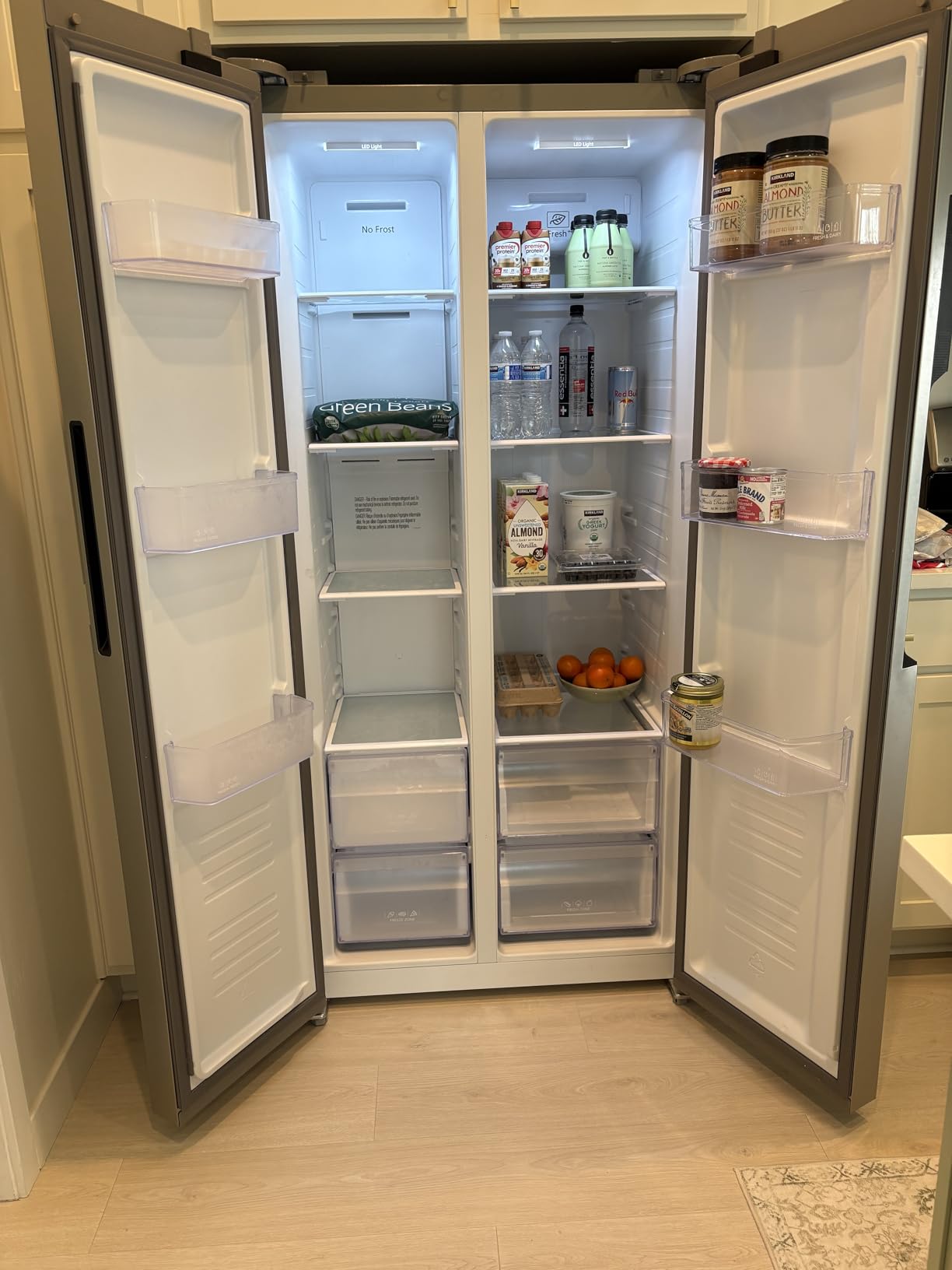
The side-by-side layout is the reason this model exists in a small kitchen. Because the freezer and refrigerator sit side by side rather than stacked, a French door never swings into your walkway and you can open the produce drawer without opening the fresh food compartment. At 25.04 inches deep it is the shallowest unit here.
Owners like the digital temperature control accuracy, the oversize gallon door bins, and the slide-out shelves that make the narrow fresh food section usable. The door open alarm is a small thing that matters when the fridge is tucked away out of sightline.
What you give up is a lot. A side-by-side splits the width, so the fresh food side is only 9.54 cubic feet and the freezer is 6.08. Wide bottles and trays rarely fit on a shelf in either compartment, which is the usual reason people move away from this layout.
There is no ice maker, and several owners specifically note that product photos suggest otherwise. Confirm the specification sheet, not the lifestyle image, before you build your shopping list around ice.
Reliability is the concern. Owners report units failing around 18 months, past the one year parts and labor warranty, and several reported delivery damage including dents. Photograph the unit on arrival, because that is the only protection you get.
When a side-by-side is the right call
It is right when walkway width beats storage volume, which is exactly the situation in a galley kitchen where two people cook at once. It is also right for a one-person household that mostly eats fresh and freezes very little, since 6.08 cubic feet of freezer is more than most people need.
The 378 kilowatt hours per year draw is among the lower figures here, and reversible doors with adjustable leveling feet make it flexible in an alcove or against a side wall.
Where it falls short
It is not ENERGY STAR certified, unlike most of this roundup, and the one year warranty is thin. Budget for the possibility of a repair or replacement outside the first year if this becomes your kitchen fridge rather than a secondary unit.
At 32.91 inches wide it is wider than every 30 inch class body in this roundup apart from the GE and Bosch, so a narrow opening will not work no matter how shallow the depth is.
7. Hamilton Beach HBF1770 – 17.7 cu. ft. Counter-Depth French Door With Freezer Drawer
Hamilton Beach HBF1770 French Door Counter Depth Refrigerator with Freezer Drawer, 17.7 cu ft, Stainless Steel (Full Size)
17.7 cu. ft. capacity
29.88 inch wide by 29.21 inch deep by 70.08 inch tall
378 kWh per year
1 year warranty
Pros
- Four freezer bins across two pull-out drawers
- Three full-width slide-out glass shelves
- LED lighting throughout
- 29.21 inch depth suits a galley aisle
- Easy to move on rear castors
Cons
- Not ENERGY STAR certified
- Uses older R-134A refrigerant
- Only 18 owner ratings to judge it by
- 1 year warranty
This is the French door version of the side-by-side idea: a genuinely counter-depth body at 29.21 inches that keeps the aisle open, with a French door layout that most small kitchens are built for. At 17.7 cubic feet it splits into 12.4 fresh food and 5.3 freezer.
The freezer organization is the standout. Four bins across two pull-out drawers mean you can find the frozen peas without unpacking the whole bottom shelf, which is the failure of every single-drawer bottom freezer. Three full-width slide-out glass shelves in the fresh food section also beat fixed wire shelves at this capacity.
Owners note the LED lighting throughout, the oversize gallon door bins, and the rear castors that make it easier to move for cleaning behind the unit. Digital display controls sit at eye level on the exterior.

There are only 18 owner ratings for this model, so we are working with a small sample and we will not overstate it. The feature set is well matched to a small kitchen, but the long-term reliability picture is not established.
It is not ENERGY STAR certified, and it uses R-134A rather than the R-600A found in most current models here. Older refrigerant is not a deal breaker on its own, but it is a sign of an older platform, and the one year warranty gives you less protection than the Samsung sealed system coverage.

Who it suits best
Two or three people who want a French door footprint in a galley kitchen where a 30 inch deep body would block the walkway. The 29.88 inch width drops into a 36 inch opening with clearance on each side for leveling legs.
Households that buy frozen food in quantity will find the four-bin drawer layout more useful than a single large bin, and the glass shelves will not flex under the weight of a full week of containers.
Where it falls short
The missing ENERGY STAR certification and the 1 year warranty are the two structural concerns. If the fridge runs every day for a decade in a studio apartment, the difference in running cost and repair exposure is real.
At 180 pounds it is a moderate weight, and with 70.08 inch height and a 29.21 inch depth, delivery through a tight turn needs two people and a clear path.
8. Bosch B36CL80SNS – 20.5 cu. ft. Four-Door Counter-Depth Refrigerator With FlexBar
Bosch 800 Series B36CL80SNS 36 Inch Smart Freestanding Counter Depth 4 Door French Door Refrigerator with 20.5 cu. ft. Total Capacity in Stainless Steel (Bar Handle)
20.5 cu. ft. capacity
35.63 inch wide by 31.13 inch deep by 72 inch tall
4 doors, 7 racks, 5 sections
FlexBar and internal water dispenser
Pros
- Four doors split the fresh food zone into usable sections
- FlexBar rail adds adjustable hanging storage
- Internal water dispenser keeps the door panel flat
- 20.5 cu. ft. in a counter-depth body
- Bosch owners report few problems
Cons
- Heaviest unit here at 350 pounds
- Only 7 owner ratings available
- Key lock is a separate thing to remember
- Very few published specification details
Four doors is the idea here, and it is a good one for a narrow room. Splitting the fresh food compartment into separate sections means opening one small door to find the yogurt rather than releasing a full French door that swings into a walkway. Five sections and seven racks divide 20.5 cubic feet into zones you can actually navigate.
The FlexBar is a metal rail across the door compartments that you load with bottles and jars, then slide along as space changes. It converts vertical dead space in a counter-depth interior into usable storage, which is the trick that lets a 20.5 cubic foot fridge fit a 31.13 inch body.
The water dispenser is internal rather than through the door, so the outside face stays flat and matches adjacent cabinetry. Bosch owners on appliance forums report a consistent no-problems experience, and that reputation is the main reason this model is on the list despite a thin review base here.
Be realistic about what we can and cannot tell you. With 7 owner ratings, there is not enough review data here to rank it confidently, and the published specification detail is sparse, including no stated warranty length in the source listing.
At 350 pounds it is the heaviest refrigerator in this roundup by a wide margin, and 35.63 inches wide plus 72 inches tall means it needs a full 36 inch bay and a genuinely clear delivery path. The internal water dispenser also needs a water line routed into the alcove.
Why four doors earn their place
Every door you open is less cold air lost and less aisle blocked. In a kitchen where two people cross the same three feet of floor several times an hour, opening a quarter of the door instead of half of it is a quiet but daily improvement.
The internal dispenser also means no recessed cavity cut into the door face, so the cabinet run beside the fridge can sit as close as the hinge allows without a visible step in the panel line.
Where it falls short
It occupies the same 36 inch bay as the GE, so it is not a solution for a narrow opening. If your kitchen cannot take a 35 inch wide body, drop to the Sharp or the KoolMore and put the money toward the rest of the room.
Because review data is thin, we would treat this as a design to admire more than a purchase to rush. Look for a local service technician for the brand before committing, since a heavy appliance with a compressor fault is a long wait if nobody local works on the model.
9. Upstreman FC149 – 14.9 cu. ft. Four-Door Counter-Depth Fridge in Black Glass
Upstreman 14.9 Cu.Ft Refrigerator 4 Door French Door Counter Depth Refrigerator Full Size Fridge Black FC149
14.9 cu. ft. capacity
31.3 inch wide by 27.6 inch deep by 70.9 inch tall
474 kWh per year
4 door layout
Pros
- Black glass finish unlike any other unit in this roundup
- 4 doors split storage into dedicated zones
- Inverter compressor runs quietly
- 27.6 inch depth is among the shallowest here
- Wheels and leveling feet for flexible placement
Cons
- Only 2 owner ratings
- Not ENERGY STAR certified
- 14.9 cu. ft. is small for the 31.3 inch width
- 1 year warranty on a newer brand
The reason to consider this model is the finish. Black glass on the door panels, with digital touch controls and no visible handle hardware, reads as a deliberate design choice in a kitchen where stainless steel on every other appliance has started to look like a default.
Mechanically it is a sensible small-kitchen layout. Four doors create dedicated compartments rather than one large open cavity, humidity-controlled crispers sit at the bottom, fully adjustable glass shelves move for taller items, and the 27.6 inch depth is one of the shallower bodies here.
The inverter compressor and 474 kilowatt hours per year put the running cost in the middle of the field, and the digital touch display gives you precise control over the fresh food and freezer zones independently. The four doors split storage into dedicated zones, so a frozen item does not require digging past a week of fresh produce.
Now the caution. There are 2 owner ratings for this refrigerator, both five stars, and two reviews cannot tell you how a compressor behaves in year four. We are including it because the dimensions and layout genuinely fit small kitchens, not because the review history supports a reliability claim.
At 14.9 cubic feet across a 31.3 inch width, you are paying for the four-door structure and the finish rather than for volume. A household of two will manage; a household of four will not.
Where the four-door layout genuinely helps
At this capacity, closed compartments are the difference between organized and chaotic. The dedicated freezer sections keep frozen goods separate from the fresh food side, and the crispers sit in their own humidity-controlled zone rather than blocking the bottom shelf. Wheels for easy movement and adjustable leveling feet are practical in a kitchen where the fridge goes in before the base cabinets are finished.
Where it falls short
It is not ENERGY STAR certified, and a newer brand with a one year manufacturer warranty means you carry more of the risk yourself than you would with an established brand and a longer sealed system term.
Verify service availability in your area before buying. Some smaller brands ship parts directly rather than through a local technician network, and a sealed system repair can otherwise mean shipping the appliance away.
10. COSMO Vista Collection – 17.5 cu. ft. Counter-Depth French Door With Hidden Hinges
30 in. Vista Coll 17.5 cu. ft. French Door Refrigerator, Stainless Steel
17.5 cu. ft. capacity
29.88 inch wide by 29.21 inch deep by 70.08 inch tall
512 kWh per year
Fingerprint-resistant steel
Pros
- Hidden hinges let the door sit flush with the cabinet line
- Removable ice bin can be lifted out for cleaning
- Slide-out freezer drawer
- Fingerprint-resistant stainless
- 29.21 inch depth suits a narrow aisle
Cons
- Only 1 owner rating
- Not ENERGY STAR certified
- Plastic shelves instead of glass
- 1 year limited warranty
The hidden hinge is the feature that earns this model a place in a small kitchen. When the door is shut, the cabinet face and the refrigerator face sit on the same plane with no exposed hinge hardware, which is what makes a fridge look built in rather than pushed into a hole.
The removable ice bin is the other detail worth pointing out. Pulling the whole bin out to rinse it is far easier than trying to clean a fixed tray inside a freezer drawer, and a removable bin is the difference between an ice maker you keep and one you stop using.
Dimensions are competitive at 29.88 inches wide and 29.21 inches deep, so it drops into a 36 inch bay with side clearance and projects less than a standard-depth body into the room.
Why the hidden hinge changes the look of a small kitchen
In a small room, the refrigerator is often the largest uninterrupted vertical surface you see from the doorway. When hinges and handles are visible, the eye reads a freestanding appliance. When the hinge is concealed, the fridge reads as part of the cabinet run, and the room looks more finished without a renovation.
The fingerprint-resistant stainless finish supports the same effect, since a visible handprint pattern breaks the illusion faster than a slightly different steel tone.
Where it falls short
There is a single owner rating, so we have almost no owner evidence to work from and we will not pretend otherwise. Treat the specification sheet as the only reliable description of this unit.
The shelves are plastic rather than glass, which matters under the weight of a week’s containers, and the model is not ENERGY STAR certified despite a 512 kilowatt hour per year draw. The one year limited warranty offers little protection beyond the first year of service.
What Real Owners Say About Counter-Depth Reliability
Reliability matters more in a small kitchen because there is rarely a second appliance to fall back on. Across appliance forums, the pattern we found is consistent: people worry about the ice and water system far more than the compressor, and they judge a brand by whether a local technician exists.
Bosch owners on r/Appliances and r/HomeImprovement repeatedly report no problems with their units, and that sentiment is why the B36CL80SNS is on this list despite a thin review base here. The counter is Samsung, where owners on the same forums advise caution and describe service experiences as inconsistent.
The most repeated advice from owners across every brand is to skip the in-door ice and water dispenser. The repair cost and filter maintenance make it the least worthwhile feature in a 16 to 20 cubic foot refrigerator, and the units without one here, like the Sharp and the Hamilton Beach side-by-side, generate fewer owner complaints about anything mechanical.
Beyond the machine itself, the practical advice from owners is to check for a local technician before you buy. A sealed system repair handled by a local company is a scheduled service visit, and the same repair on a brand with no local coverage means shipping the appliance and waiting weeks.
How to Choose a Counter-Depth Refrigerator for a Small Kitchen
Pick the configuration that matches your aisle. A bottom-freezer or side-by-side model keeps every door swing inside the footprint of the appliance. A French door puts two doors at the top, and a 30 inch wide French door needs the space in front of it to open past 90 degrees. If your galley aisle is under 36 inches, a side-by-side is usually the most workable layout.
Do the capacity math honestly. Counter-depth units in this roundup run from 10.3 to 22.1 cubic feet, while a standard-depth unit of the same width commonly holds 28 to 30 cubic feet. A household of one or two can step down to 14 to 17 cubic feet without noticing, and a household of four will feel the difference quickly. Our own pick, the KoolMore, splits the difference at 18.5 cubic feet with the shortest height in the group.
Treat the ice maker as optional. An in-door ice and water dispenser is the most failure-prone and most maintenance-heavy feature in this category, and it consumes depth that could hold food. If you skip it, choose a unit with a removable ice bin, like the COSMO Vista, or budget for a countertop ice maker instead. Many owners on appliance forums say they would go back and skip the dispenser.
Check energy draw against your usage. The spread here runs from 385 kilowatt hours per year on the Sharp to 665 on the GE, and that range is worth roughly a meaningful difference over a decade of continuous running. Every ENERGY STAR certified model in this roundup, including the Kenmore, the KoolMore, the Samsung, and the GE, is the more economical long-term choice than the uncertified units.
Match the finish to the cabinets. Fingerprint-resistant stainless is the most forgiving option in a small kitchen because handprints show less, black glass reads as a design statement when your cabinetry is painted, and a true panel-ready front is the only option that genuinely disappears into a cabinet run. A coffee maker that matches your counter finish is a much easier decision than a refrigerator that clashes with the whole room.
Plan the delivery path before you pay. Measure the narrowest doorway and the tightest turn, and check whether the delivery team places the unit in the kitchen or leaves it at the entrance. A 350 pound appliance like the Bosch cannot be moved by one person regardless of how it arrives, and an alcove that is 35.75 inches wide gives you no room to maneuver a 35.75 inch body into place.
Who This Guide Is Not For
If your household needs 25 cubic feet or more, or a large dedicated freezer, a counter-depth refrigerator is the wrong tool. The GE at 22.1 cubic feet is the most storage available in this roundup, and going higher means returning to a standard-depth body and the aisle space that comes with it.
If you are planning a true built-in install with flush panel-ready doors and a cabinet veneer across the front, none of these units are that. They are freestanding counter-depth refrigerators with a built-in look, not integrated appliances.
If your kitchen is a secondary fridge situation, a basement, or a garage, the Sharp and the Hamilton Beach side-by-side both work well and cost less. Our compact juicer picks follow the same rule: buy for the room you have, not the room you might have.
Frequently Asked Questions
What style refrigerator is best for a small kitchen?
A bottom-freezer or side-by-side refrigerator works best in a small kitchen because every door swings within the footprint of the appliance, so nothing projects into the walkway. A French door needs clearance in front of it for both upper doors to open past 90 degrees. In a galley kitchen with an aisle under 36 inches, a side-by-side like the Hamilton Beach HBF1558 at 25.04 inches deep is usually the most workable layout.
Who makes the most reliable counter-depth refrigerator?
Bosch is the brand appliance forum owners most consistently describe as trouble free, which is why the B36CL80SNS is included here despite a thin owner rating count of 7. Samsung draws repeated caution on the same forums around service consistency. More important than the brand name is checking that a local technician covers the model before you buy, since sealed system repair is the repair that ends most refrigerators.
What brand of refrigerator has the least problems?
Owners on appliance forums most often name Bosch as the least troublesome brand, with Maytag also favored in general reliability reporting. The feature that generates the most complaints across every brand is the in-door ice and water dispenser, followed by app-connected electronics. Skipping the dispenser is the single change most owners recommend for a more reliable kitchen refrigerator.
What are the downsides of counter-depth refrigerators?
The main downsides are less total capacity, a higher price per cubic foot than a standard-depth unit, and a taller body that may not clear a low upper cabinet. Counter-depth models typically hold 16 to 20 cubic feet against 28 to 30 for a standard-depth unit of the same width. Wide models such as the 35.75 inch GE also need a full 36 inch cabinet bay, which removes the flexibility a narrower body gives you.
Do I need a standard depth or counter-depth refrigerator?
Choose counter-depth when walkway width and a built-in look matter, which is the case in galley kitchens, studios, and open-plan apartments. Choose standard depth when capacity is the priority and you have the room, particularly for households of four or more. The models in this roundup span 10.3 to 22.1 cubic feet, so measure your opening before deciding.
How much space do you lose with a counter-depth refrigerator?
You give up roughly 8 to 10 cubic feet of total capacity, which is the difference between about 18 cubic feet on a counter-depth model and 28 to 30 cubic feet on a standard-depth unit of the same width. In the aisle you get that space back, since a counter-depth body projects only 23 to 30 inches instead of the 30 to 36 inches of a standard-depth unit.
Is 30 inches deep a counter-depth refrigerator?
A 30 inch deep body sits at the upper end of the counter-depth range, which runs from about 23 to 30 inches. Models such as the Kenmore at 31.77 inches and the GE at 31.25 inches are marketed as counter-depth but project noticeably more than a 25 inch body, so check the actual depth in the specification sheet rather than the product category label.
Bottom Line: The Best Counter Depth Refrigerators for Small Kitchens in 2026
For most small kitchens, the KoolMore KM-RERFDSS-18C is the pick: 18.5 cubic feet in a 29.5 by 30.1 inch body, the quietest compressor here, and the shortest height in the group so it clears tighter cabinets. If your opening is genuinely under 24 inches, the Sharp SJB1045SNS is the only model in this roundup that fits and it uses the least power. If capacity matters more than footprint, the GE GYE22GYNFS stores the most food but demands a full 36 inch bay.
Take the five measurements before you order, skip the in-door dispenser, and check that a local technician services the brand you pick. Those three steps prevent nearly every regret we found in owner discussions about this category.