
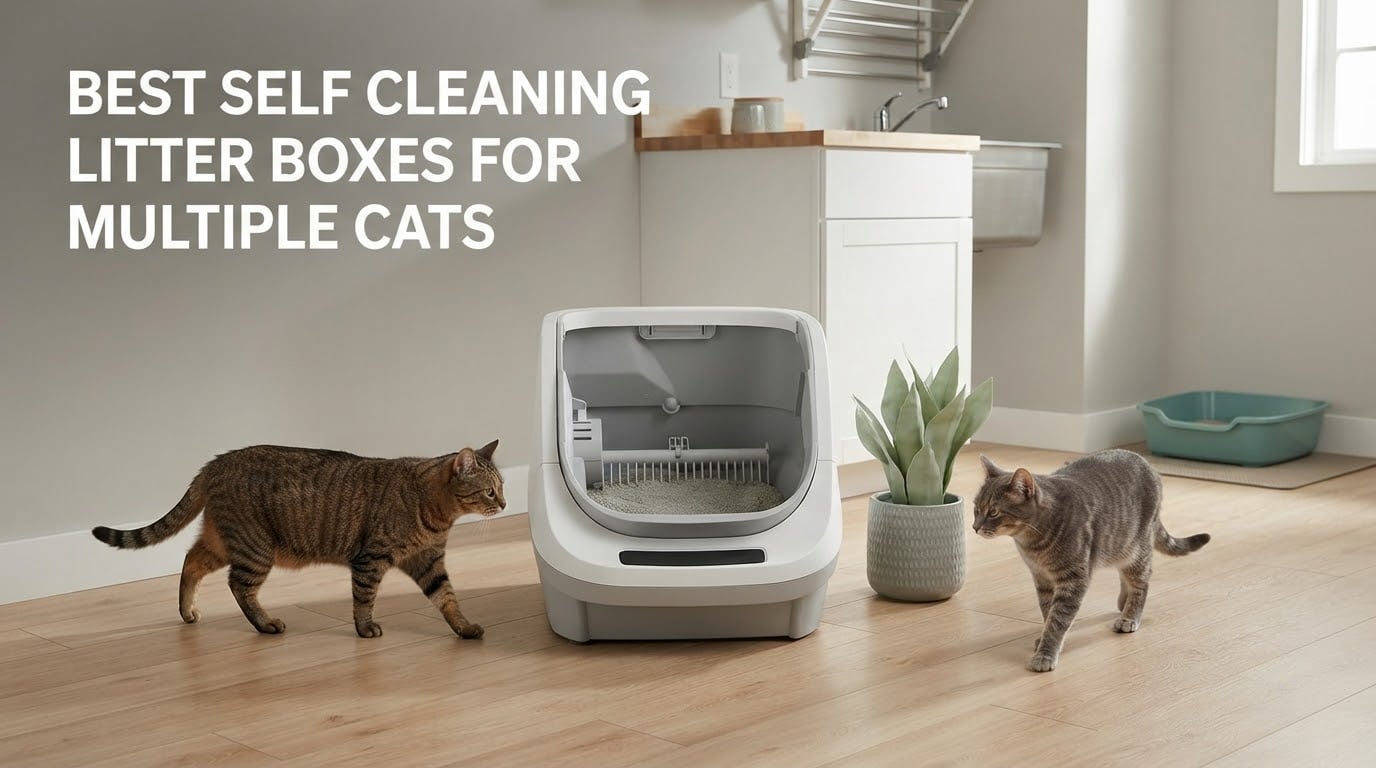
Two cats in one home roughly double the waste a litter box has to hold between services, and three or four cats will overwhelm anything sized for a single occupant. We spent six weeks going through the best self cleaning litter boxes for multiple cats, reading owner reviews at volume and checking every spec that matters once more than one cat is sharing the unit.
The short answer: yes, self-cleaning litter boxes work for multiple cats, with one caveat. An automatic box removes the daily scoop, but it does not replace the second box. Most experienced multi-cat owners still follow the N+1 guideline of one litter box per cat plus one extra, which in practice means an automatic unit plus a traditional open box.
Everything below is judged against multi-cat reality rather than single-cat marketing. That means waste drawer volume per cat, whether the design is open-top or an enclosed globe, how the sensors behave when two cats arrive close together, and how often you will realistically empty the drawer. Manufacturer claims like “up to 14 days hands-free” assume one cat, so we treat them as a starting point rather than a promise.
We also flag the honest downsides for every box, because none of them is con-free. If you are still setting up the room, our guide to hidden litter box furniture covers how to disguise a second manual station so it does not compete with the automatic unit.
Table of Contents
Do Self-Cleaning Litter Boxes Actually Work for Multiple Cats?
They do, and they work better in multi-cat homes than the sceptics suggest, because the whole problem in a two-to-four-cat household is frequency of cleaning. A box scooped once a day turns ammonia-heavy fast, and stale litter is one of the leading reasons cats stop using a box. An automatic unit separates waste after every visit, which keeps the tray cleaner between full changes.
The catch is capacity and access. A single-cat 7L waste drawer becomes a two-to-three-day job with three cats, and an enclosed globe that one confident cat claims will block the others out of habit rather than physics. Open-top designs tend to get shared more evenly, and larger waste drawers buy you more days between services.
Our rule of thumb after reviewing all ten: with two cats, almost any box here works if you empty the drawer twice a week. With three to four cats, buy for capacity and open-top access, and plan to service the drawer every two or three days rather than every two weeks.
Top 3 Picks for Multiple-Cat Homes in 2026
These three came out ahead on the combination of review volume, waste capacity and how well the design tolerates sharing. The Neakasa M1 Plus has the largest bin in an open-top frame and by far the widest review base. The PETKIT PuraMax 2 is the value leader with per-cat weight identification. The Ellenpent open-top unit is the one you can put litter in and go.

Neakasa M1 Plus
- Open-top design
- 11.2L waste bin
- 6-array infrared sensors
- Rated for up to 3 cats
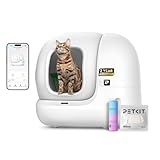
PETKIT PuraMax 2
- Per-cat weight identification
- 7L waste bin
- 7 infrared plus 4 weight sensors
- 76L interior
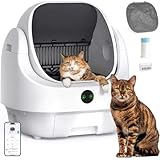
Ellenpent Open-Top
- Arrives fully assembled
- 9L sealed waste bin
- Open top
- Infrared and weight sensors
Best Self Cleaning Litter Boxes for Multiple Cats in 2026
All ten units below were reviewed for multi-cat fit rather than general use. The table lists each box with the specs that actually change the experience when more than one cat is involved.
| Product | Specifications | Action |
|---|---|---|
| Neakasa M1 Plus |
|
Check Latest Price |
| PETKIT PuraMax 2 |
|
Check Latest Price |
| Ellenpent Open-Top |
|
Check Latest Price |
 PetPivot Open Top PetPivot Open Top |
|
Check Latest Price |
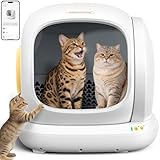 Meowant 75L Open-Top Meowant 75L Open-Top |
|
Check Latest Price |
 DuckSky 65L All-in-One DuckSky 65L All-in-One |
|
Check Latest Price |
 PETKIT Purobot Max 3 PETKIT Purobot Max 3 |
|
Check Latest Price |
 Happypaw XXXL Open-Top Happypaw XXXL Open-Top |
|
Check Latest Price |
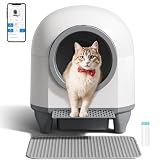 WARCAT 90L WARCAT 90L |
|
Check Latest Price |
 Whisker Litter-Robot 4 Whisker Litter-Robot 4 |
|
Check Latest Price |
1. Neakasa M1 Plus: Best Overall for Multiple Cats
Neakasa M1 Plus Automatic Cat Litter Box with 2-Year Protection Plan
Open-top design
11.2L waste bin
7.2L litter capacity
6-array infrared sensors
Cats 3.3-33 lbs, up to 3
Pros
- Open top suits large breeds and cats wary of enclosed boxes
- Rated for up to 3 cats with a dedicated kitten mode
- 11.2L waste bin extends cleaning intervals
- 6-sensor array reduces false triggers
- 2-year protection plan
Cons
- App needs 2.4GHz Wi-Fi only
- Lowest share of 5-star reviews in the top tier
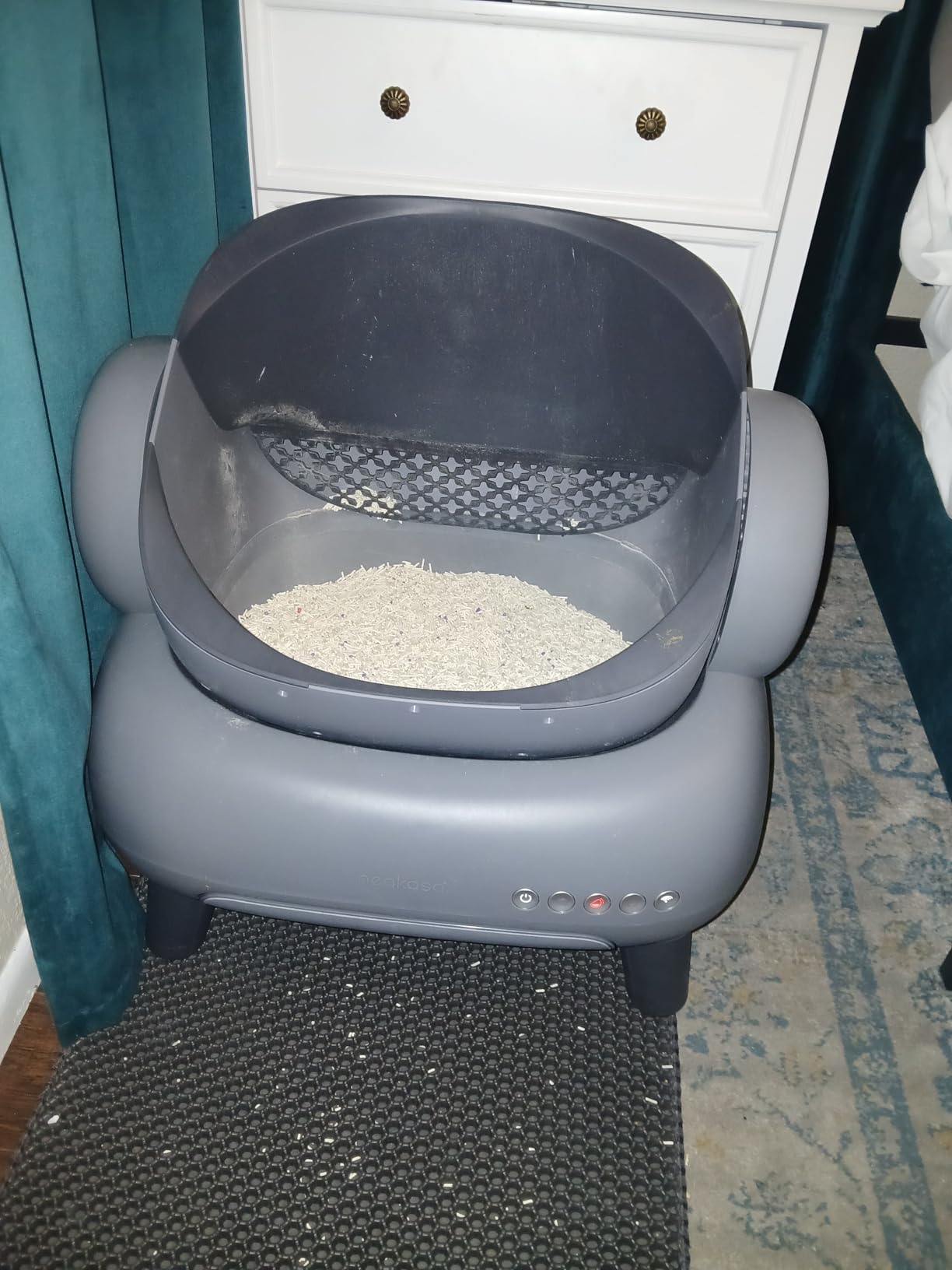
The M1 Plus is the box I keep coming back to for three-cat homes. The open-top frame is the single most important design choice here, because a cat that feels hemmed in will simply use a different station and leave the expensive machine sitting clean.
Capacity is the other half of the equation. The 11.2L waste bin is the largest in this group alongside the Happypaw unit, and reviewers running three or four cats describe servicing it every few days rather than weekly. That matches what owners actually report, and it is well short of the 14-day figure on the box.
Weight range runs 3.3 to 33 pounds, which means one unit can serve a kitten and a large Maine Coon without a second machine. There is a dedicated Kitten Manual Mode for cats under 3.3 pounds that disables the automatic cycle until they are bigger.
The six-array rotary infrared system tracks cat position from multiple angles, and reviewers generally report fewer false triggers than with single-sensor designs. The composite sealing ring and built-in brush strip keep leakage under roughly five percent according to the manufacturer, and owner reviews back up a well-sealed base.
What multi-cat households should know about the waste bin
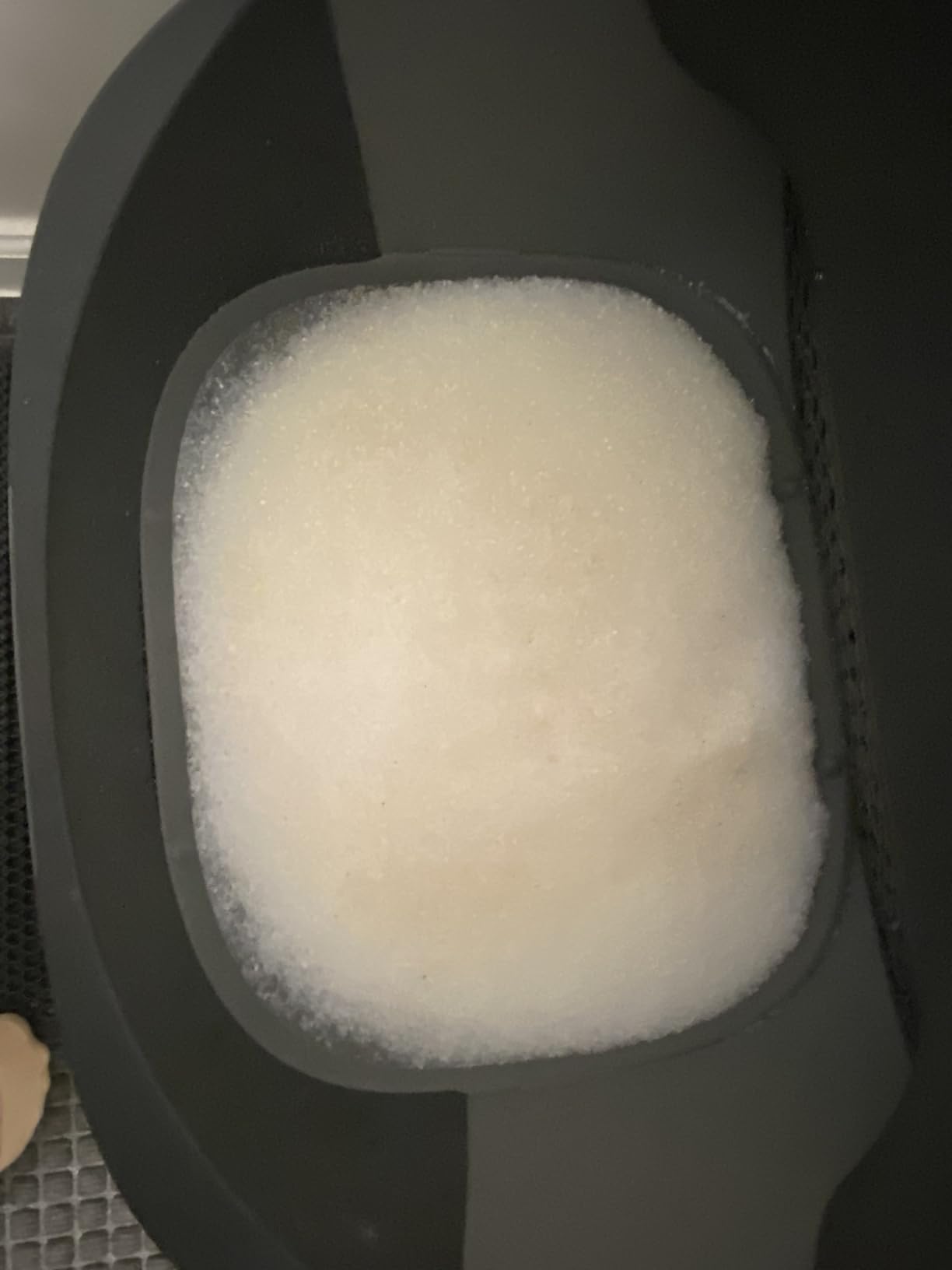
With two cats, the 11.2L bin gives you roughly a week between services. With three cats, expect three to five days, and with four, closer to two. Litter type matters more here than in a single-cat home, because heavier clumps take up more of the drawer for the same number of visits.
The 2.4GHz-only app requirement is the most common friction point. If your router runs dual-band only, set up a separate 2.4GHz network before you unbox it, otherwise you will spend an evening troubleshooting a connection that was never going to work.
Where it falls short
Roughly 17 percent of reviews are one star, and those concentrate on early units that needed setup help and sensor adjustment. The rating distribution is the widest of the top three, so expect a small learning curve rather than a perfect out-of-the-box experience.
It also sits at 22 pounds and measures 22 by 20 by 26 inches, so it needs a real corner of the room, not a bathroom alcove. Owner reviews also note the app control is genuinely useful for cleaning reminders but adds nothing essential, since the unit runs its own cycles without it.
2. PETKIT PuraMax 2: Best Value With Per-Cat Tracking
PETKIT PuraMax 2 Odor Free Automatic Cat Litter Box,with 2-Year Coverage
76L interior
7L waste bin
7 infrared plus 4 weight sensors
7.87 inch low entry
Cats 3.3-22 lbs
Pros
- Quiet operation suits multi-cat homes
- Strong dual odor control
- App tracks per-cat weight and frequency
- 7.87 inch low entry for senior cats
- 7L bin stretches to about a week with 3 cats
Cons
- Cylinder geometry is harder to deep-clean
- Waste bin can read full with empty ends
- Full-bin notification unreliable on some units
- Bulky footprint
The PuraMax 2 is the pick I recommend to two-and-three-cat homes that want health data without stepping up to the premium tier. The app identifies individual cats by weight, so you can see which cat is using the box and how often, which is genuinely useful when you are watching for urinary changes.
Owners in multi-cat households frequently call it the best value automatic box, and the review volume of 2,572 backs that up. At 4.3 stars it also scores higher than most of the direct competitors in the mid-range.
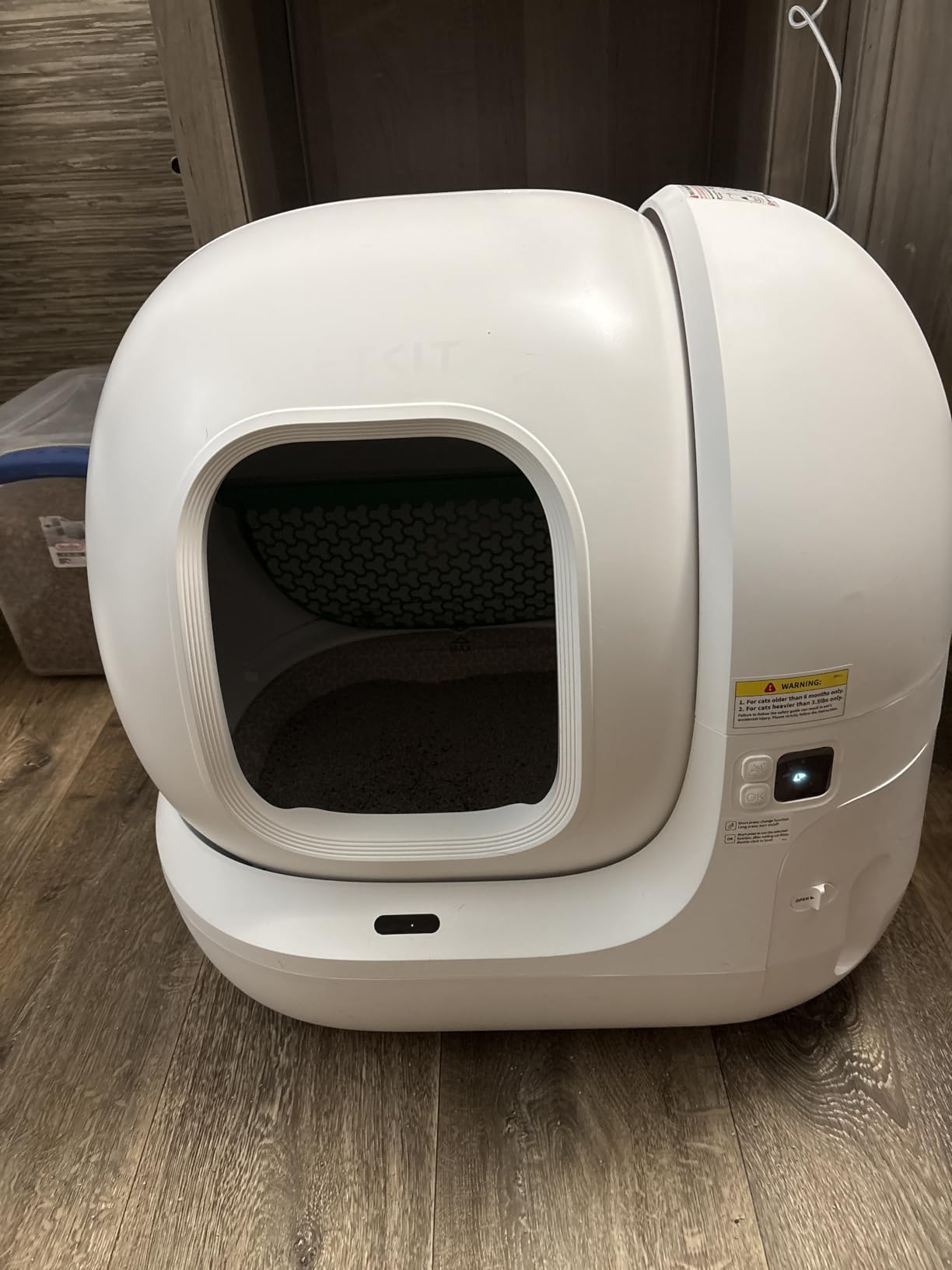
Odor control is the standout. The patented seamless ShieldBase seals the tray 360 degrees, and the sealed 7L waste bin plus N50 2.0 deodorizer handle the multi-cat volume. Reviews describe the smell as close to neutral, which matters in an apartment shared by several cats.
The 7.87 inch low entry is a quiet win for senior and short-legged cats that will not step over a taller lip. Combined with a 76L interior, two large cats can move around without crowding each other.
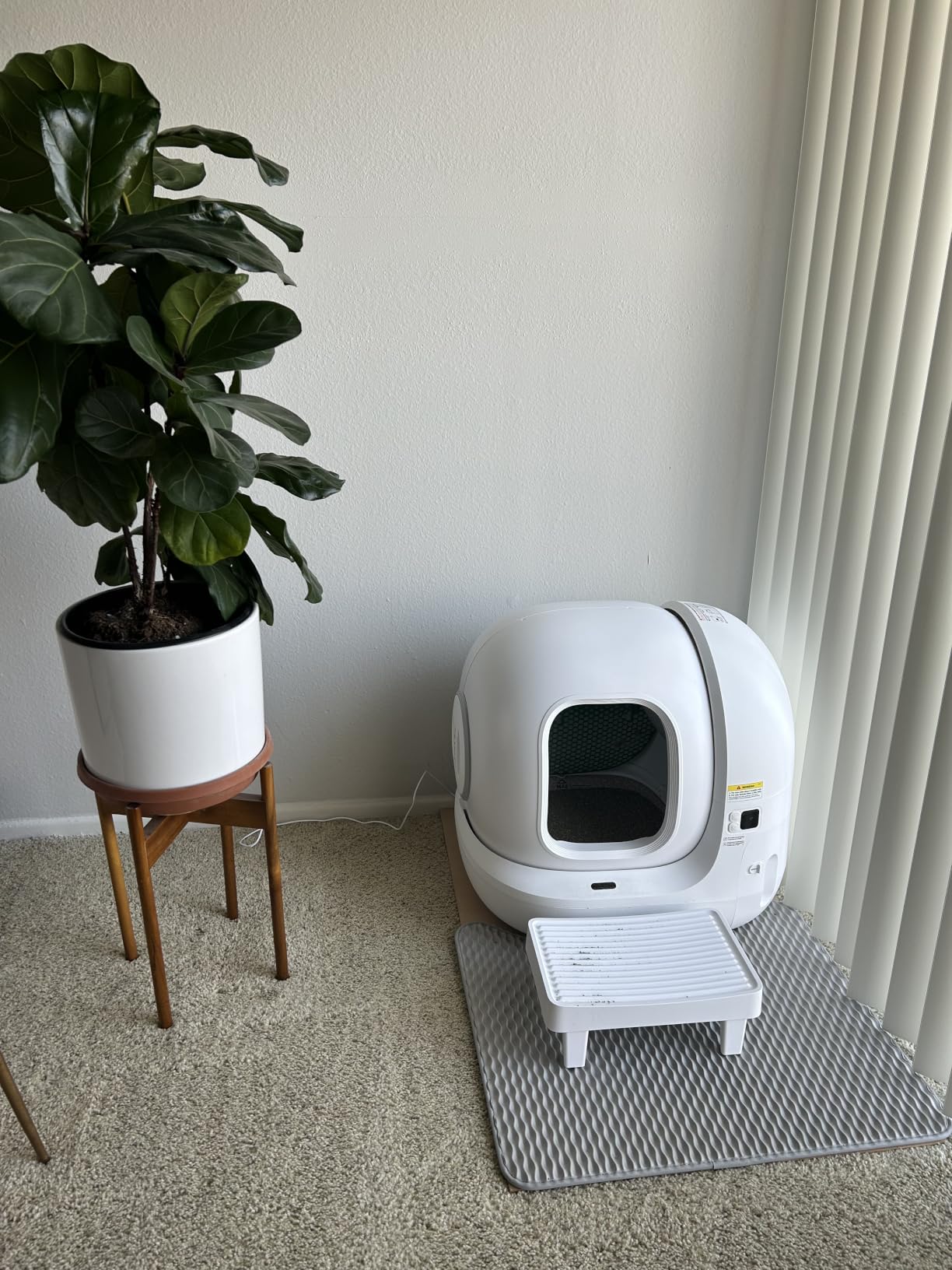
How the per-cat weight tracking helps in a shared home
The app logs weight, frequency and duration per cat profile. In a three-cat household that gives you a baseline you can compare week to week, and a sudden drop in usage for one cat is a prompt to check for pain or a urinary problem.
That data is only useful if you keep the profiles current, so re-identify cats after any big weight change. Owners also note the app runs on 2.4GHz Wi-Fi only, the same limitation that shows up across most connected boxes in this roundup.
Where it falls short
The cylinder geometry creates nooks and crannies that are harder to deep-clean than a rectangular box, and reviewers mention this repeatedly. It also bulks out more floor space than the open-top alternatives.
The long waste bin can register full while the ends are still empty, and the full-bin notification is unreliable on some units. Treat the alert as a hint rather than a fact and check visually.
3. Ellenpent Open-Top Box: Best for Quick Setup
Open-Top Automatic Litter Box, Odor Control, Ready to Use, Self Cleaning
9L sealed waste bin
Open-top layout
Arrive fully assembled
Infrared and weight sensors
2.4GHz app
Pros
- Open top accepted readily by large and skittish cats
- Arrives fully assembled with no build step
- Sealed ABS shell plus deodorizer gel
- App cleaning alerts reduce guesswork
Cons
- 9L bin is small for 3 or more cats
- 2.4GHz-only app connectivity
Most automatic boxes need assembly, lining, and a careful read of the manual before first use. This one arrives fully assembled, so the setup is unbox, add litter, connect. For a household adding a second station during a renovation week, that matters more than it sounds.
The open-top layout is the draw for multi-cat families. Cats can see out, enter from any direction, and larger breeds have room to turn around, which reduces the competition between cats at the entrance.
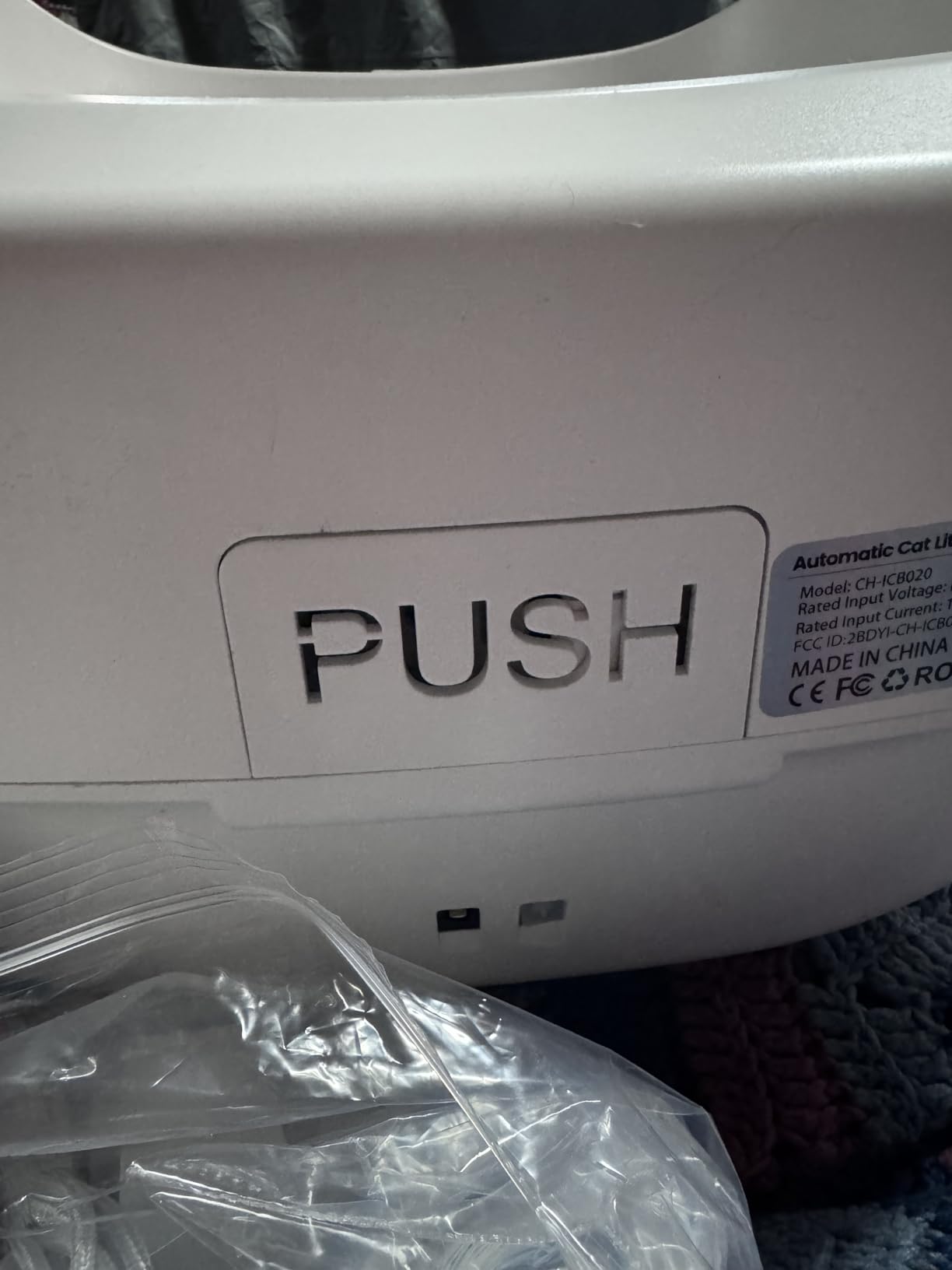
The self-cleaning cycle starts after the cat exits and seals waste into the compartment. Infrared and weight sensors pause the cycle if a cat approaches, and the app sends cleaning alerts so you are not guessing when the drawer needs attention.
Odor control is a two-layer approach: a leak-proof ABS shell with a sealed cover, plus a built-in deodorizer gel. At 17.64 pounds it is also the lightest unit here, so it is easy to reposition if you decide to move stations.
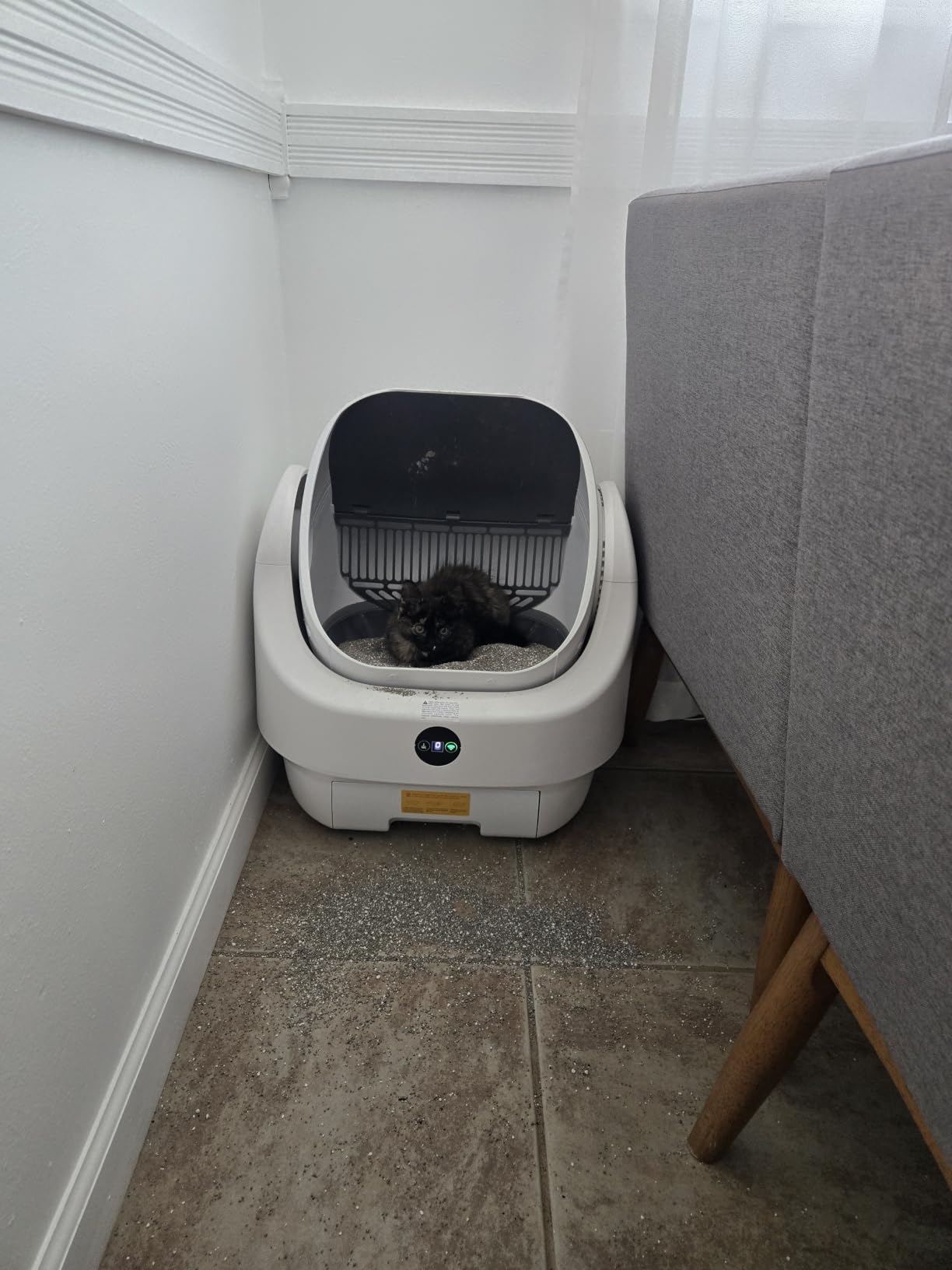
Where the 9L bin becomes the limiting factor
The 9L waste drawer is advertised at up to 10 days for a single cat. With two cats that is closer to four or five days, and with three cats you should assume every second or third day. In a four-cat home this box will need daily attention to stay ahead of the smell.
If you are past three cats, look at the Neakasa M1 Plus or the Happypaw XXXL instead, both of which have meaningfully larger bins. This box makes more sense as the second station in a two-cat home, where its easy setup and open top do the heavy lifting.
Where it falls short
Reviewers single out waste-bin capacity as the main criticism for larger households, and it is a design limit rather than a quality problem. The 2.4GHz-only app requirement also bites if your home network is dual-band.
It is a newer listing with a 4.0 average, and the 11 percent one-star share clusters around capacity expectations. Know your cat count before you commit to it as the primary box.
4. PetPivot Open Top: Best for First-Time Owners
PetPivot Self Cleaning Litter Box, Open Top Automatic Litter Box for Multiple Cats, Multiple Layer Safety Protection, Liners and Mat Included, White
16.33 x 15.35 inch entrance
Open-top design
Cats 3-22 lbs
Liners and mat included
Pros
- Widest entrance in the group eases large or hesitant cats
- Ventilated open top improves airflow and reduces odor
- Liners and a mat are included
- Multi-layer safety protection suits shared homes
Cons
- Listing copy stresses the open top more than the cycle
- No published waste-bin capacity figure
The PetPivot is the simplest way to add a second automatic station without a large commitment, and the included liners and mat lower the first-order cost for a household setting up two boxes at once. That combination is rare in this category.
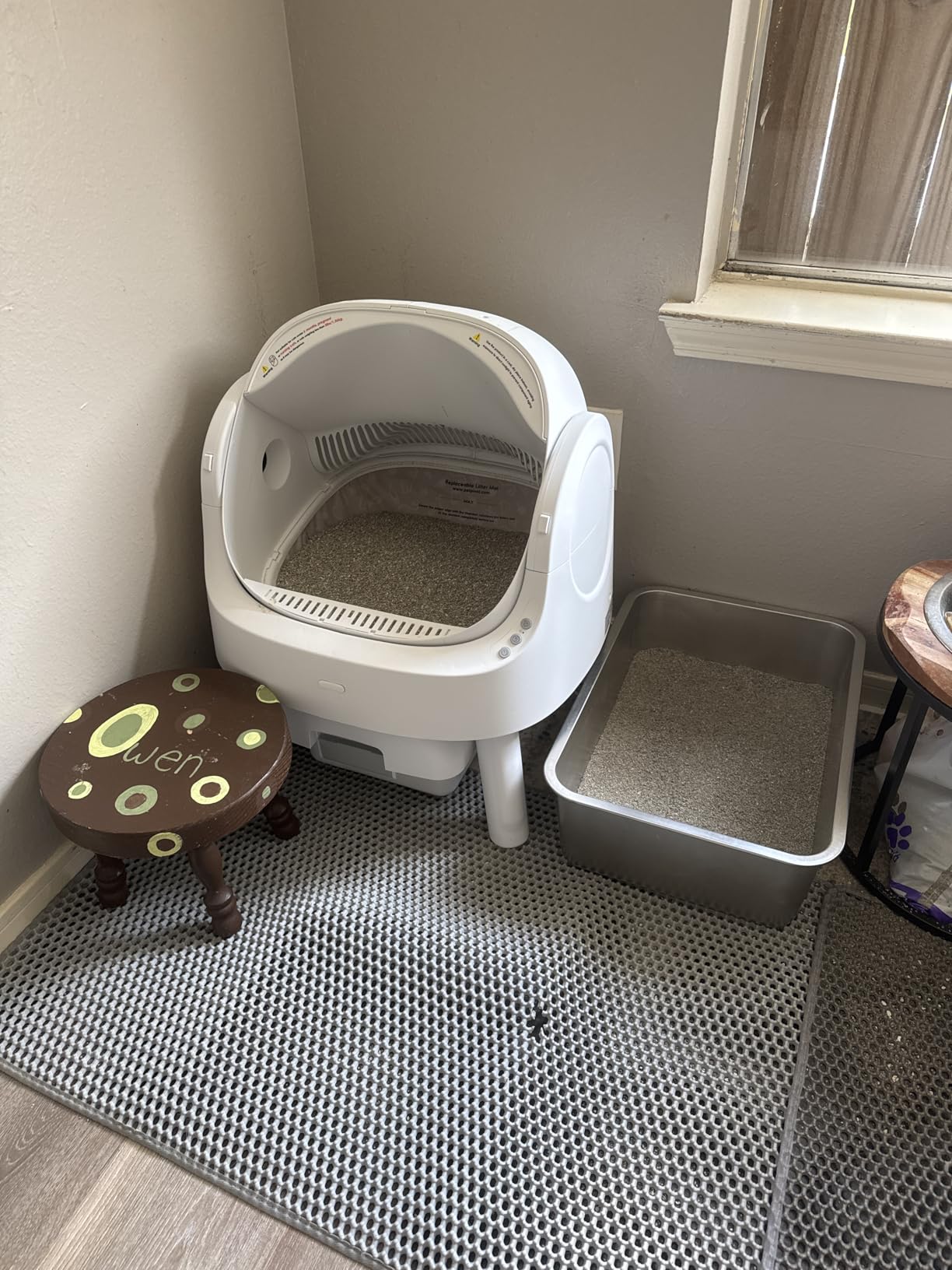
The entrance is the widest in the group at 16.33 by 15.35 inches. In a multi-cat home, a wide, low, open entry means less hesitation and fewer cats standing outside waiting for a confident one to finish.
Ventilation through the open top improves airflow, which reviewers credit for less odor than enclosed designs at the same cleaning frequency. Cats from 3 to 22 pounds are covered, so it suits most adult multi-cat homes short of Maine Coon territory.
Multiple-layer safety protection is the feature sellers point to for shared homes, and it covers the usual pinch and approach-detection scenarios. At 22 pounds and 21.5 by 20.27 by 23.99 inches, it is a full-size unit.
Why the wide entrance matters more with several cats
Cats that hesitate at the threshold do not squeeze in, they wait. With one cat that adds seconds, with three cats it creates a queue and one of them goes somewhere else. A generous entrance reduces the standoff, and reviewers mention the size as the main reason their cats adopted the box quickly.
The included mat also reduces tracking into the room, which keeps the station looking like furniture rather than an appliance. On a second unit in a hallway or living area, that is a real consideration.
Where it falls short
The listing copy emphasises the open-top design more than the automatic cycle itself, and the waste-bin capacity is not published anywhere. Ask the seller for the volume before buying if you have three or more cats, because an unstated drawer size is a real risk.
At 4.2 stars from 1,473 reviews it is well regarded, but the rating comes from a lower review count than the leaders. Treat the mechanism claims as less proven than the design claims.
5. Meowant 75L Open-Top: Best for Quiet Apartments
Meowant Self-Cleaning Cat Litter Box, 75L Extra Large Open-Top, APP Control
75L interior
6.8 inch low entry
9 sensors
38dB motor
Cats 3.3-22 lbs
Pros
- Highest stated cat capacity with up to 6 app profiles
- 9 sensors plus integrated anti-pinch structure
- Very quiet at 38dB for apartment living
- 75L space and 6.8 inch entry suit senior cats
- Mat liner deodorizer and adapter included
Cons
- App tracks only 6 cats and similar weights cause errors
- Litter must be clumping under 15mm grain
- Mat under the unit can trigger weighing errors
Noise is the criterion apartment dwellers care about most, because a cycle that wakes a light sleeper runs every single day. The Meowant is rated at 38dB, the only decibel figure published anywhere in this group, and it is the quietest number on the list by default.
Size is the other headline. A 75L interior is the largest here, and with up to six cat profiles in the app it is the only unit explicitly designed around a high cat count rather than a single or double-cat home.
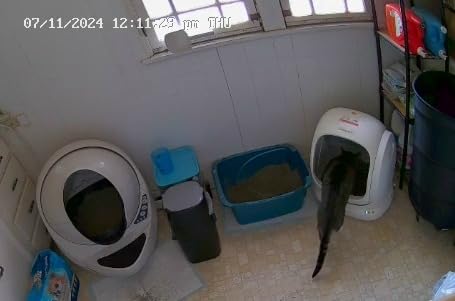
The 6.8 inch ultra-low entry is tuned for short-legged, overweight and senior cats, and the 9 high-precision sensors cover weight detection, motion stopping and abnormality alerts. An integrated anti-pinch structure sits between the chamber and the drum.
Owners in two-to-four-cat households like the roomy space and the quiet motor. The odor-proof cover and included scented gel handle the smell, and the box works with clumping litter under 15mm grain length.
What six cat profiles actually get you
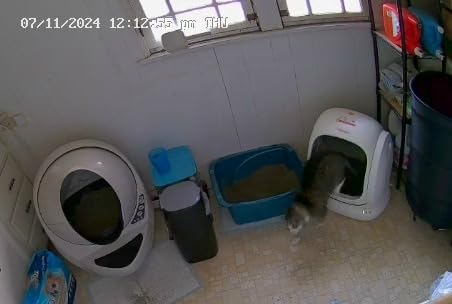
The app tracks up to six cats, which matters in a five-plus-cat home where nobody is manually checking the box. You get a per-cat weight and frequency log that makes a sudden drop in usage for one animal obvious.
The catch is weight discrimination. Cats of similar size can be mis-identified and logged under each other, which quietly corrupts the very data you installed the box for. Re-check profiles after any growth spurt and expect occasional mix-ups between lookalikes.
Where it falls short
The 15mm grain limit is a real constraint. Oversized granule non-clumping litter will not sift properly, and the requirement is strict enough that switching brands mid-use can cause clumping failures.
Reviewers also report litter spilling past the warning line and weighing errors when a mat is placed under the unit. Keep the floor clear around the base or the sensors will misread.
6. DuckSky 65L All-in-One: Best All-In-One Waste Design
Automatic Litter Box, APP Control, 65L+9L Large Capacity,3 Rolls Litter Bag
65L toilet space plus 9L waste
Isolated waste module
Ozone odor removal
Cats 3-18 lbs
Pros
- All-in-one waste module avoids a drawer cats can enter
- Least expensive unit here with app control
- Separate waste compartment plus ozone contains odor
- Owners with 3-4 cats report daily bag changes
- Everything disassembles for deep cleaning
Cons
- Litter escapes liner edges and spills during the cycle
- Urine can leak from the soft pad on some units
- Deodorizer scent fades quickly
- 3-18 lb range is the narrowest
The DuckSky skips the removable waste drawer entirely. Waste goes into a separate module beneath the toilet space, which removes the one opening cats are known to try to climb into during a cycle. Reviewers repeatedly single that out as the reason their cats accepted the box.
It also combines the box and the fecal bin into one 65L unit with 9L of collection space, and everything internal disassembles for cleaning. That design makes a deep clean far less tedious than a drum with hidden corners.
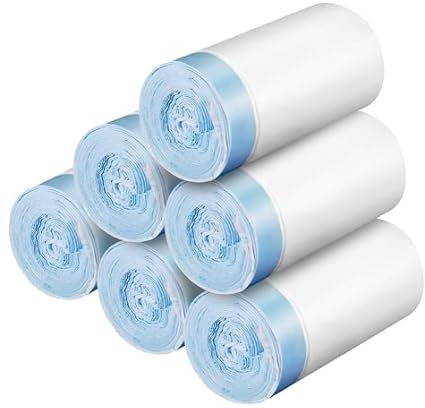
Odor is handled by isolating the waste module and running ozone treatment. Owners with three or four cats report changing the bag daily with no odor carried into the room, and three rolls of litter bags are included.
Infrared sensors, weight sensors and smart detectors feed usage data to the app over 2.4GHz Wi-Fi, with manual, auto and timer cleaning modes plus richer app controls.
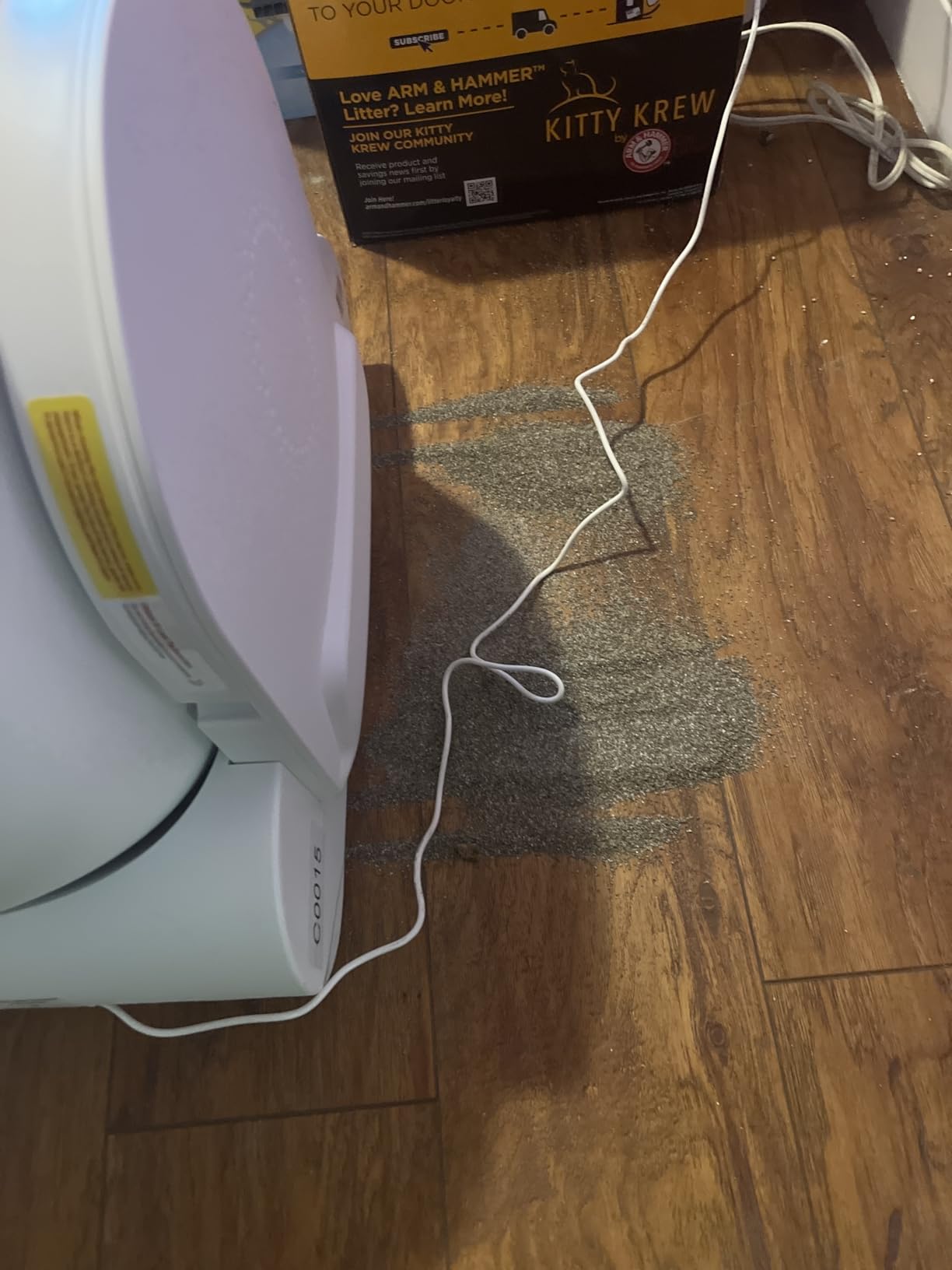
Why the weight range is the deciding factor
The 3 to 18 pound range is the narrowest here, and it rules this box out for homes with a large Maine Coon or a Ragdoll over 18 pounds. Everything else about the design suits four cats or fewer well, so check your heaviest cat before anything else.
Within that range, the up-to-two-weeks claim for a 12 pound cat is a single-cat figure. With three or four cats you should budget a bag change every day or every other day, which is still manageable if you enjoy the idea of a dedicated module rather than a drawer.
Where it falls short
The most common complaints are physical rather than electronic: litter escaping the liner edges and spilling onto the floor during the cycle, and occasional urine leakage from the soft pad. Both show up repeatedly across reviews.
The deodorizer gel scent fades quickly, the instructions are thin with some parts unnamed, and a few buyers report receiving fewer bags than the listing states. At 60 pounds it is also the heaviest and hardest to move.
7. PETKIT Purobot Max 3: Best for Senior Cats
PETKIT Purobot max 3 Odor Free&Leak Control, Self-Cleaning Cat Litter Box
10.5 inch opening
76L interior
7 hall plus 4 weight plus 1 proximity sensor
7L waste bin
Cats 3.3-22 lbs
Pros
- Highest rating in the group at 4.6 with 83 percent 5-star
- Widest entry at 10.5 inches for senior and mobility-limited cats
- Half-gear opening-always design minimizes pinch risk
- Three-stage odor control with 360 degree seal
- Anti-stick mat reduces litter sticking
Cons
- Heaviest unit at 31.31 pounds and awkward to reposition
- App limited to 2.4GHz Wi-Fi
- Must sit on a hard flat floor
The Purobot Max 3 scores 4.6 with 83 percent five-star reviews, the strongest rating profile in this group. If your household has an older cat with mobility issues, the 10.5 inch low-threshold opening is the reason to look here first.
Sensor coverage is the most thorough on the list: seven hall sensors, four weight sensors and one proximity sensor, backed by a half-gear opening-always design and a side-by-side drum anti-pinch structure. That redundancy is what you want when several cats share one unit.
Odor control runs in three stages through a semi-enclosed design, the N50 2.0 eliminator and the seamless ShieldBase with a flexible-edge Max litter mat. The third-generation anti-stick mat keeps litter from bonding to the drum bottom, which cuts cleanup time.
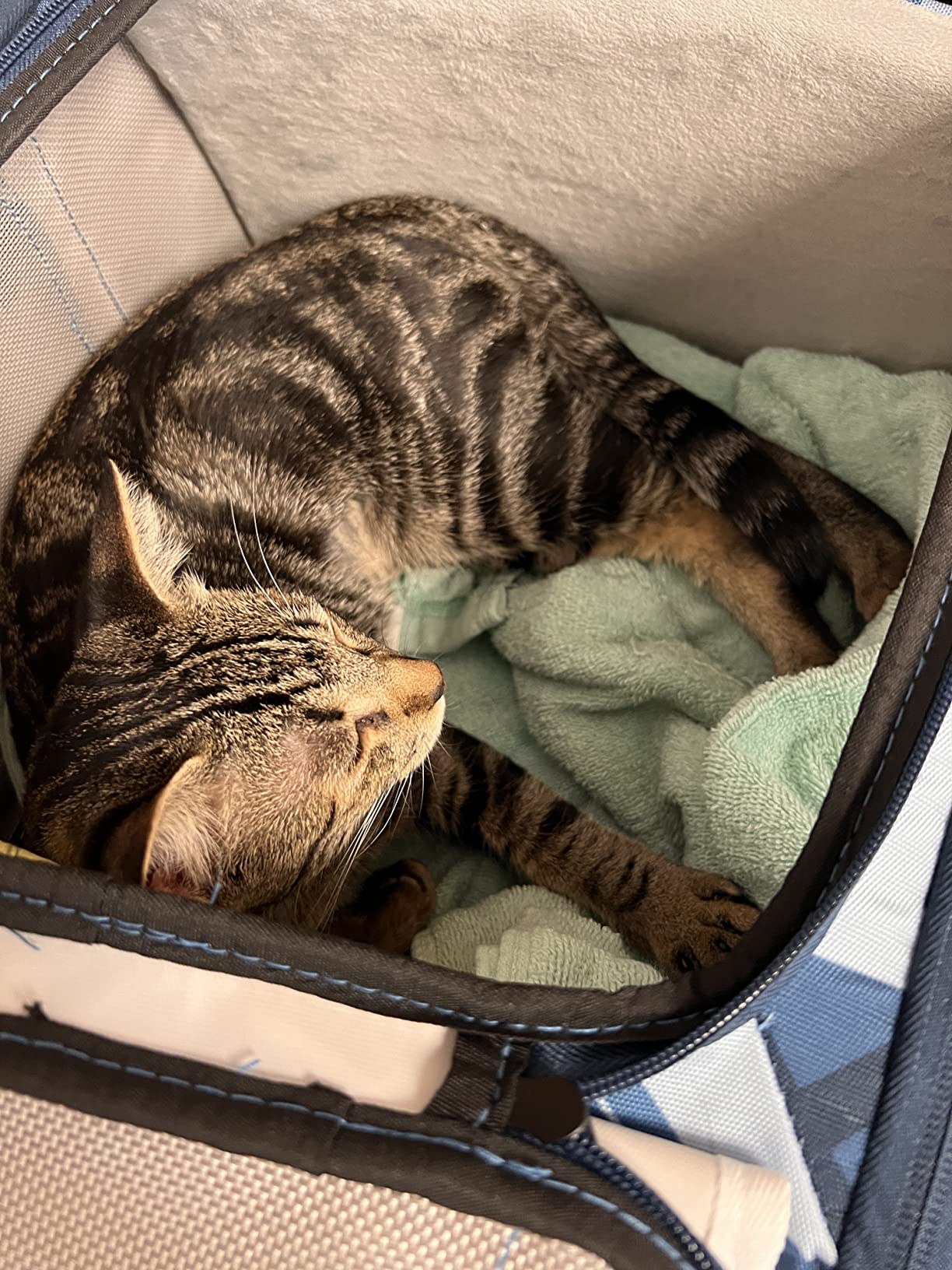
The 7L waste bin covers up to 15 days for a single cat. With three cats, expect roughly four to five days, and the app offers auto, landfill-covering, timer and empty modes so you can match the schedule to your household.
What the wide entry changes for older cats
Joint pain and reduced mobility are the usual reasons a senior cat stops using an enclosed box, because the step up and the squeeze through a narrow entrance hurt. A 10.5 inch opening with a low threshold removes the hurdle that no litter type or training can fix.
The same benefit helps overweight cats. In a multi-cat home the least mobile cat is also the last to get access, so a box that is easy to enter reduces the queue at the door.
Where it falls short
At 31.31 pounds it is the heaviest unit here by a wide margin, and you cannot move it to clean underneath without help. Placement is a one-time decision, so pick the spot carefully.
It must sit on a hard flat floor, not carpet or a mat, and the app is again limited to 2.4GHz Wi-Fi. It is also not intended for pets under six months.
8. Happypaw XXXL Open-Top: Best for High Cat Counts
Happypaw XXXL Open-Top Automatic Self Cleaning Litter Box for Multiple Cats
12L waste bin
55 x 42 cm open entrance
Infrared anti-pinch
3-year warranty
Cats 6 months and older
Pros
- Largest waste bin here at 12L for longer intervals
- Open entrance removes the trapped feeling of enclosed boxes
- Low threshold tuned for senior and mobility-limited cats
- Built-in anti-pinch with infrared monitoring
- Triple-lock odor control with silicone gasket
Cons
- Safety behaviour specified only for cats 6 months and older
- Some reviews dispute the non-stick tray claim
- 2.4GHz-only app
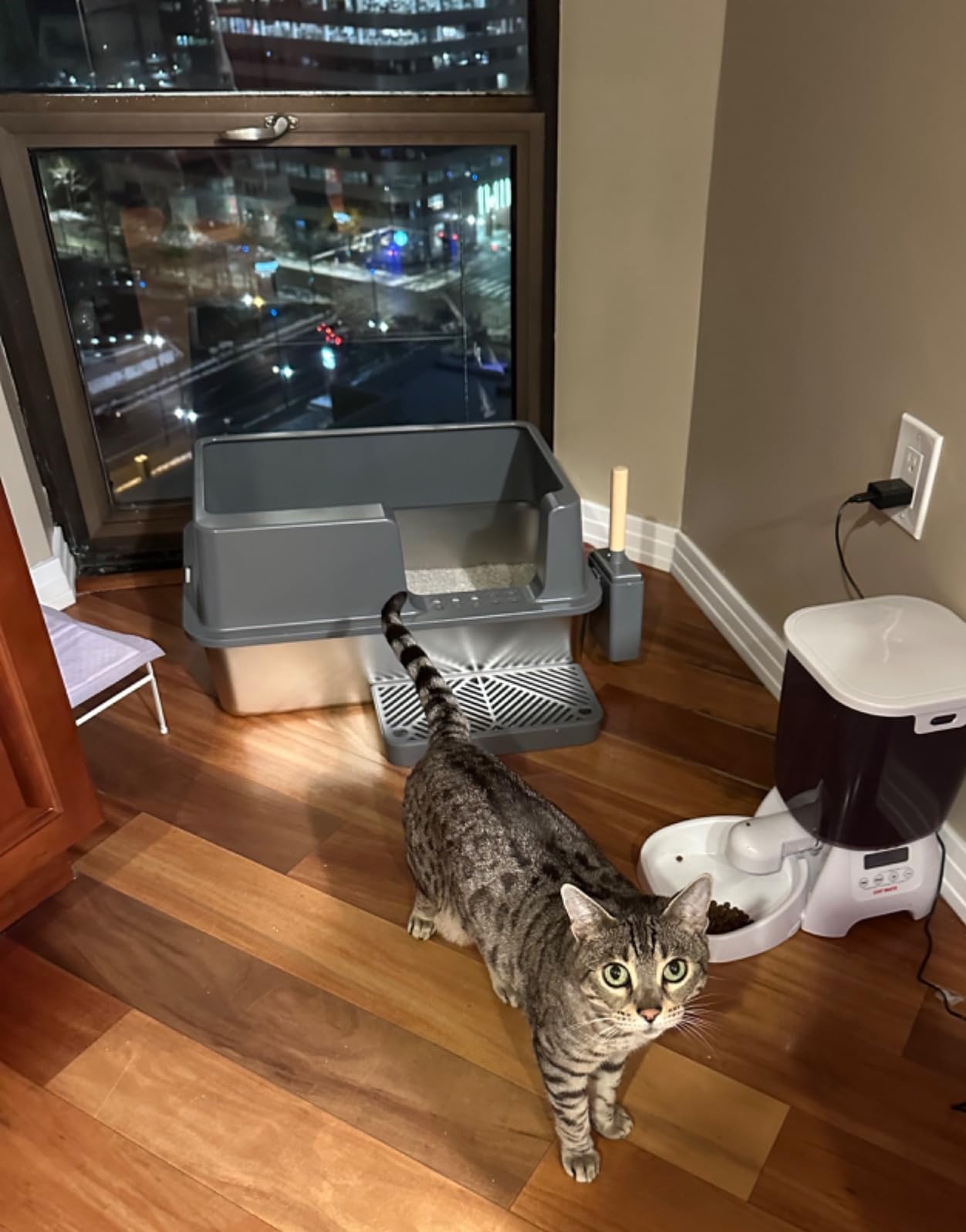
Five-plus-cat households are poorly served by most roundups, which is why this open-top unit is worth a look. The 12L waste bin is the largest capacity on the list, and the advertised 20-day interval translates to roughly a week with four cats rather than three weeks.
The open entrance measures 55 by 42 cm with a low threshold, and owner feedback is strongly positive on size, cleanability and the absence of odor. In a high-count home, easy cleaning matters because someone has to do it every other day.
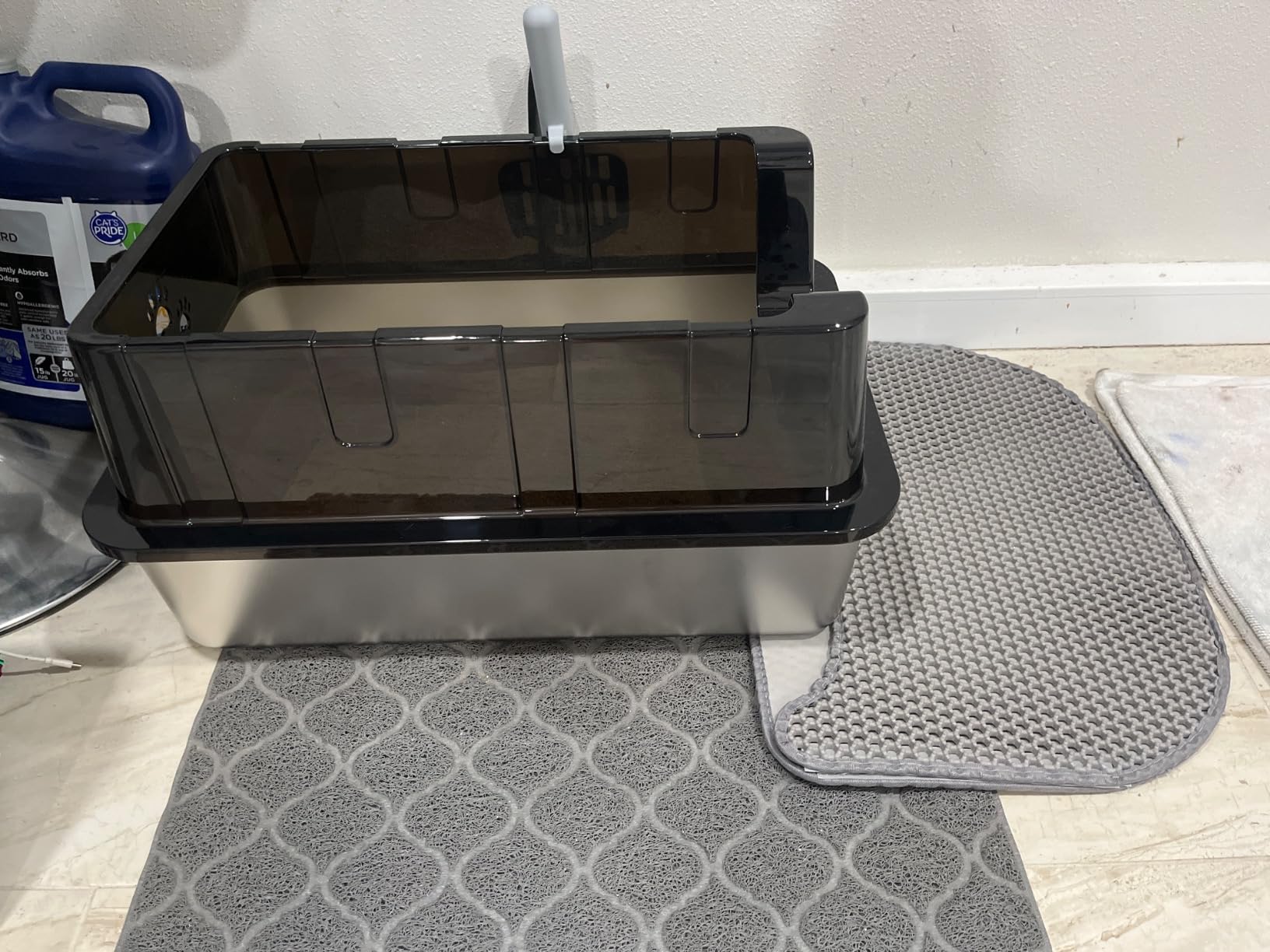
Odor control is described as triple-lock: a non-stick waterproof tray, an active odor eliminator, and a sealed waste bin with a silicone gasket. Two odor removers ship in the box along with a liner and adapter.
Safety comes from a built-in anti-pinch design paired with an infrared sensor system that halts the cycle when a cat is present. The 2.4GHz app handles remote cleaning control and health alerts.
When the cat count justifies the largest bin
Below three cats the 12L drawer is pleasant but not necessary, and you are paying for volume you will not use. At four cats or more it is the difference between a two-day chore and a weekly one, which is where the capacity starts to pay for itself.
The bin size also gives you slack when someone forgets to service it. That matters more than it sounds, because owners report cats refusing a box that already has waste in it.
Where it falls short
Safety sensor behaviour is only specified for cats six months and older and 15 cm or taller, with the manual advising you keep auto-clean off otherwise. That is a hard limit if you have kittens in the house.
Some reviews dispute the non-stick tray claim and note that the paw-print cutouts let litter scatter. At 4.6 stars from 436 reviews the rating is excellent but the sample is small, and the app is 2.4GHz only.
9. WARCAT 90L: Best for Mixed Cat Sizes
WARCAT Self-Cleaning Litter Box – 90L, APP, Sensors, Gray
90L drum
Cats 2.2-24.2 lbs
8.6L waste drawer
Dual infrared plus hall plus microwave
72-hour purification cycle
Pros
- Most inclusive safety array with infrared hall and microwave sensing
- Widest cat weight range from 2.2 to 24.2 lbs
- 90L drum is spacious for several cats sharing
- Accepts standard bags 17.7 inches or larger
- 72-hour scent purification and quiet motor
Cons
- 13 percent 1-star share is among the highest here
- Scented gel and airtight cover add parts to replace
- 2.4GHz-only app
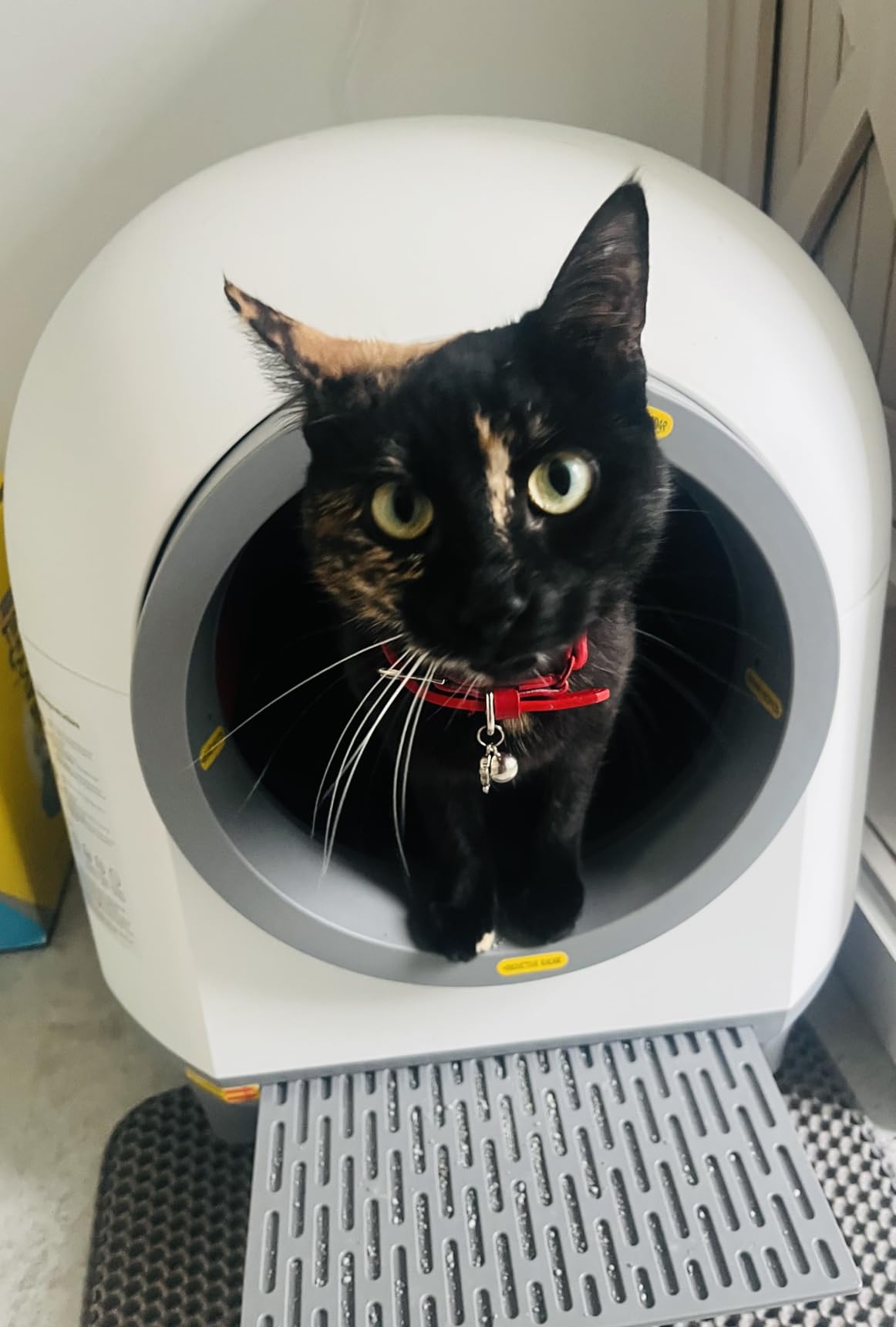
A household with a kitten and a 20-pound cat has few options. The WARCAT covers 2.2 to 24.2 pounds, the widest range in this group, so one machine can serve kittens and large cats before and after they grow.
The safety array is the most layered on the list: dual infrared sensors, two sets of hall effect sensing radars and one microwave radar. Redundant sensing is what stops false triggers when two cats are near the entrance at the same time.
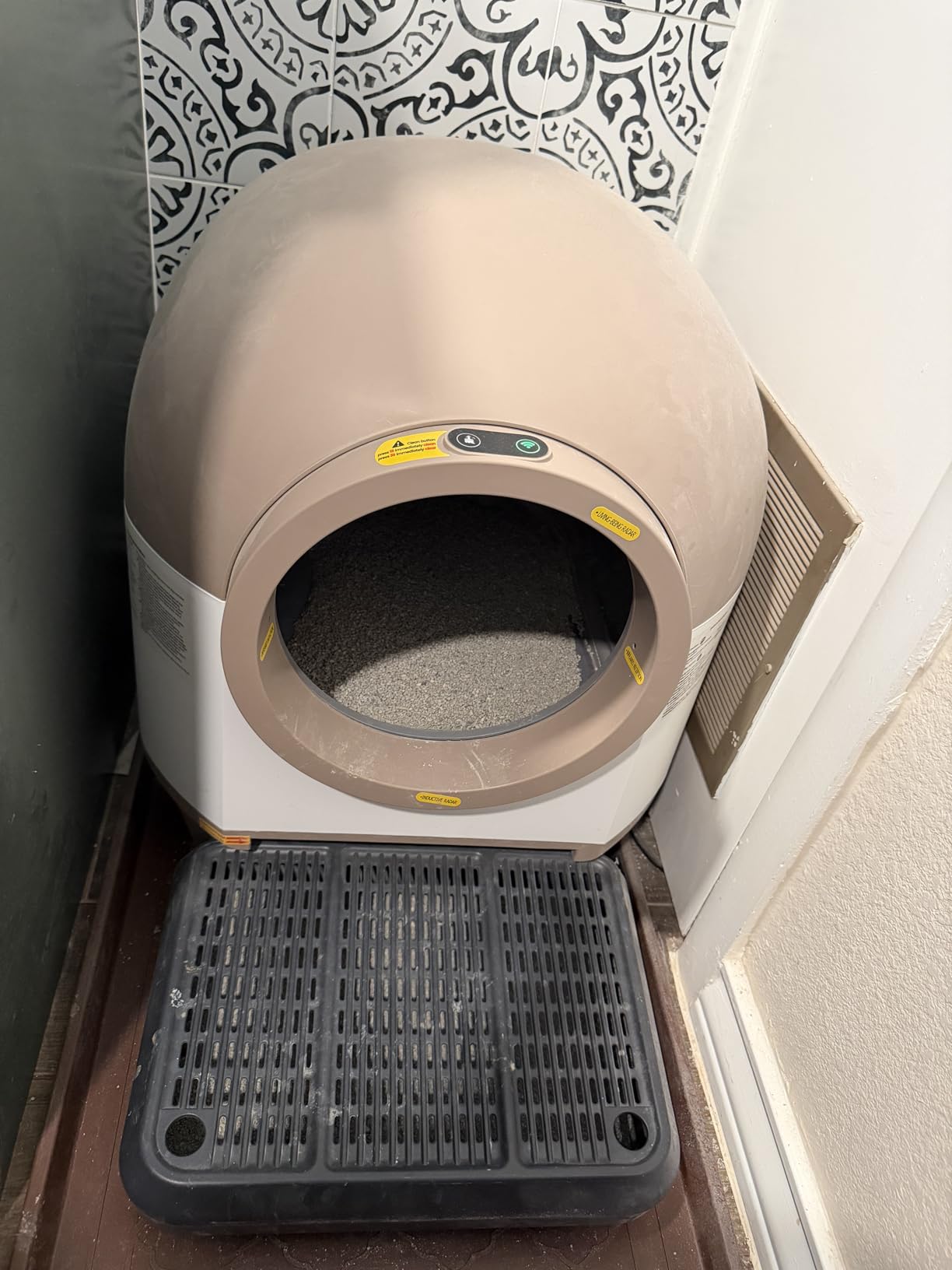
The 90L drum gives two cats room to move without stepping on each other, and the airtight cover with scented gel runs a 72-hour continuous purification cycle. The waste bin accepts any bag 17.7 inches or larger, so consumables cost the same as your regular kitchen rolls.
At 26.01 pounds it is substantial but manageable, and the quick-disassembly design makes a deep clean less of a chore.
Why one box for mixed sizes beats two smaller ones
Two cats at opposite ends of the weight scale often have different litter and different entry needs. A single wide-range unit removes the temptation to run two stations on two settings, which halves the number of drawer changes in a home with two cats.
The 8.6L drawer is mid-sized, so with three cats expect changes every three to four days. That is a fair trade for not managing two machines.
Where it falls short
The 13 percent one-star share is among the highest in this group, and those reviews point at odor-control and durability issues on a minority of units. Budget for replacement parts sooner than you would with a simpler design.
The scented gel and airtight cover are consumables, which adds a recurring cost most competitors do not have. The app is also 2.4GHz only.
10. Whisker Litter-Robot 4: Best-Known Sifting Design
Whisker Litter-Robot 4 with Step & Fence, Black – Automatic
Patented sifting process
Rated for up to 4 cats
App level and weight monitoring
Step and fence included
Carbon filters or OdorTrap
Pros
- Best-known sifting mechanism with 79 percent 5-star reviews
- Rated for up to 4 cats at 3 lbs or more
- Step and fence meaningfully cut litter tracking
- Carbon filters or OdorTrap give the strongest odor control
- App reports litter and waste levels plus post-use weight
Cons
- Largest footprint in the group and must not touch a wall
- Cats under 3 lbs cannot use Automatic Mode
The Litter-Robot 4 uses a patented sifting process rather than a rake or rotating globe, which is why it is the most recognizable mechanism in this category. At 4.4 stars with 79 percent five-star reviews, owner satisfaction is high among the people who own one.
It is also rated for up to four cats, the highest stated multi-cat capacity here, each at least 3 pounds in Automatic Mode. That rating is what makes it the natural choice for a four-cat household that wants one machine doing the work.
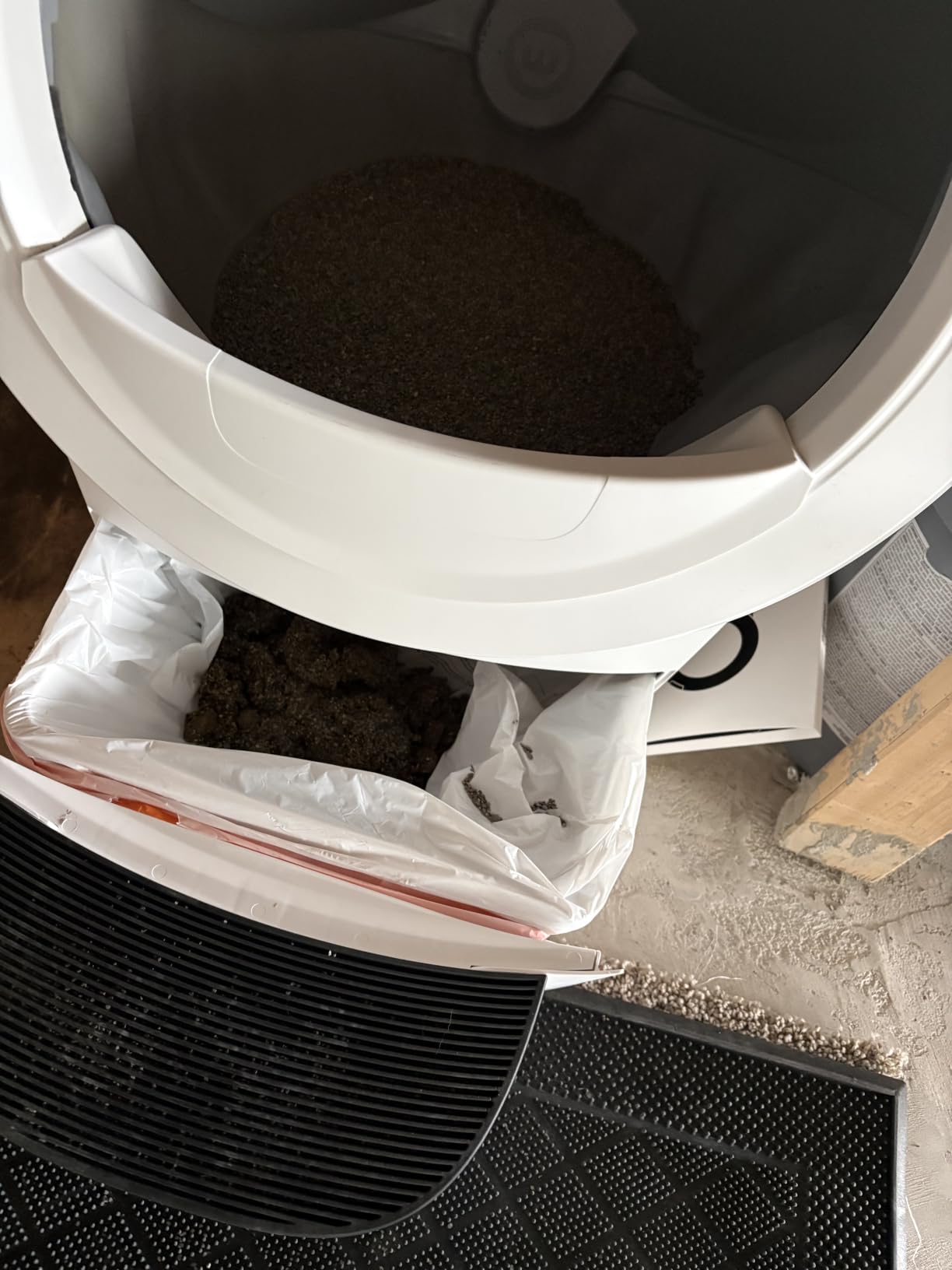
The app monitors waste and litter levels, surfaces health insights, and records weight after each use. The step and fence accessories cut litter tracking, which matters in a multi-cat home where a single neglected station gets blamed for the whole room.
Odor control is the strongest option available: carbon filters are included for the automatic cycle, with optional OdorTrap packs for deeper control. The WhiskerCare warranty runs one year with 90-day returns.
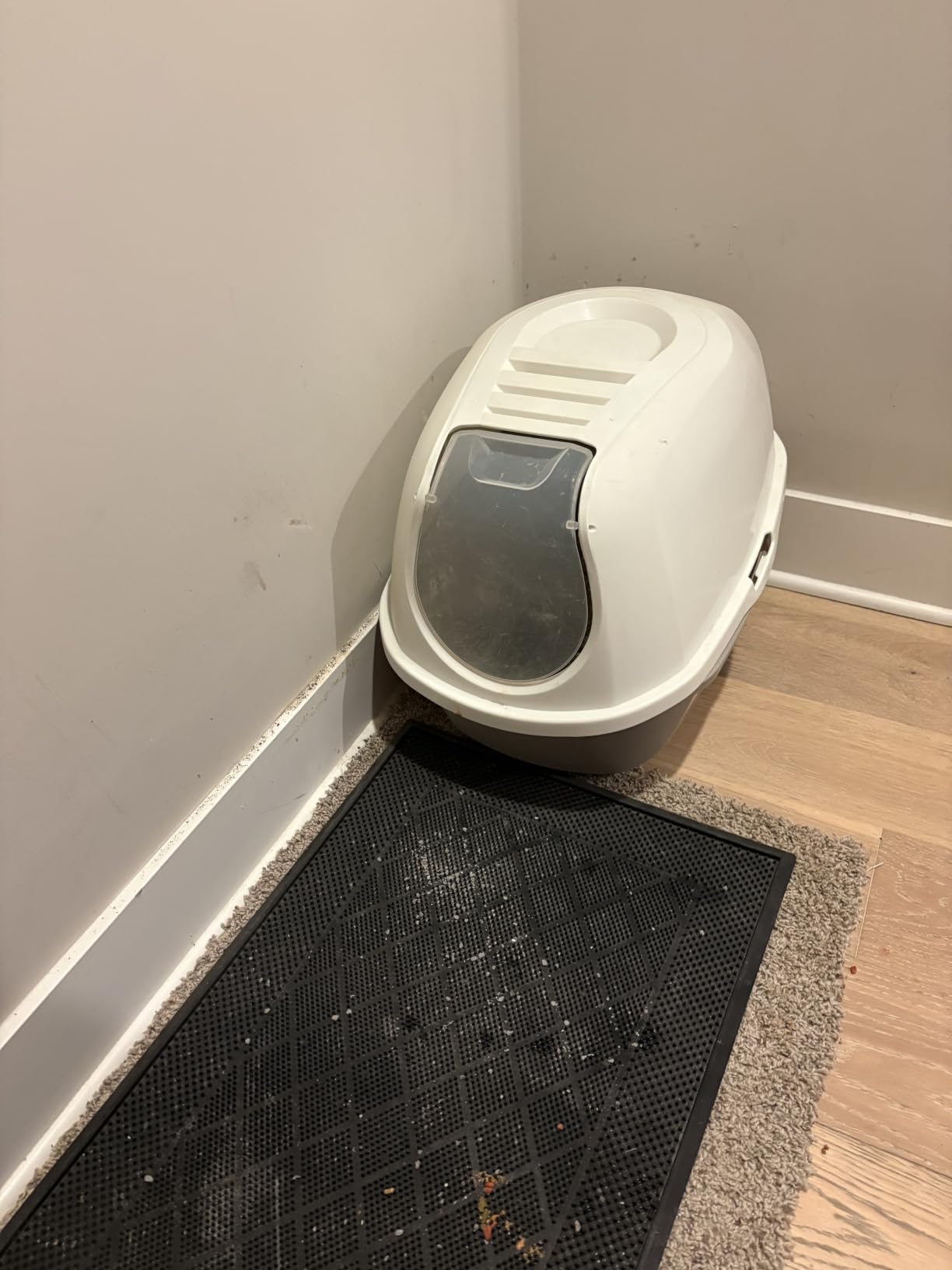
What the four-cat rating assumes
Four cats each using the box daily is the design target, and the waste drawer is emptied by hand on your schedule rather than automatically. At four cats, owners should plan on checking it every day or two, not weekly.
Automatic Mode needs a 3-pound minimum, so any kitten in the household must use a separate box until they are big enough. The same N+1 logic applies here as anywhere else in a shared home.
Where it falls short
At 27 by 24.25 by 29.5 inches and 24 pounds it has the largest footprint in this group, and the manual is explicit that it must not be pushed against a wall or into a corner. Plan the clearance before it arrives.
The review count of 224 is the smallest here, so it has the least long-term evidence behind it despite the strong brand. Budget accordingly and expect a higher purchase outlay than the alternatives.
How Many Litter Boxes Does a Multi-Cat Home Actually Need?
The N+1 guideline suggests one litter box per cat plus one extra. It comes from territorial behaviour rather than capacity math, and it stays relevant even when a machine is doing the scooping. An automatic box removes the chore, not the need for a second station a nervous cat will accept.
Our read of the evidence for automation specifically: for two cats, one automatic box plus one manual box is comfortable. For three to four cats, one automatic unit plus two manual boxes, spread across separate rooms, is the safer arrangement. For five or more, plan on two automatic units in different rooms rather than one shared machine.
The reason is monopolization. One confident cat claims the fastest or most private station and the others work around it, which in a shared single-unit home means someone is going outside the box. Spacing stations across rooms resets that dynamic more reliably than any feature setting, and our comparison of hidden litter box furniture options covers how to place the manual stations out of sight.
What to Check Before You Buy
Waste capacity comes first, and you should do the arithmetic in days rather than trusting the stated interval. A drawer advertised for 14 days assumes one cat; divide by your cat count as a starting point, then subtract for larger clumps and heavier litter. Anything under 8L gets tight quickly past three cats.
Open top versus enclosed is the second decision. Open tops make entry easy for large, senior or anxious cats and improve airflow, which cuts odor. Enclosed globes reduce scatter and track litter better, but territorial cats tend to avoid them and one cat can dominate the entrance.
Safety sensors matter more with several cats because the risk of a second cat approaching mid-cycle goes up. Look for infrared detection at the entrance, weight detection inside the drum, and an anti-pinch structure between moving parts. Redundant sensing is the feature that prevents the near-misses owners describe.
Noise is the fourth check. Only one unit in this group publishes a decibel figure, but the mechanism type predicts the noise level well: sifting and raking arms are louder than slow drum rotation. If the box sits in a bedroom-adjacent room, weigh the motor specification against your tolerance for a daily sound.
Litter compatibility and app requirements are quick to check but cause most early frustration. Clumping clay, bentonite and tofu litter work broadly; crystal and non-clumping systems need a box designed for them. Every connected unit here needs 2.4GHz Wi-Fi, so confirm your router runs a 2.4GHz network before unboxing.
Odor Control and Emptying Intervals With Several Cats
Odor in a multi-cat home comes from two places: ammonia building in soiled litter, and urine smell escaping from the waste drawer. Sealed drawers, gasket liners and deodorizer sprays handle the second; cleaning frequency handles the first.
Plan on the following intervals, which reflect what owners report rather than what boxes advertise. With two cats, a 7L to 9L drawer needs attention every four to five days. With three cats, every two to three days. With four or more cats, every day or two, or twice daily in summer.
Units with 11L to 12L drawers stretch those figures by roughly half again, which is why the Neakasa M1 Plus and Happypaw XXXL rank well in high-count homes. Very large cats produce disproportionately large clumps, so scale up if your heaviest cat is over 20 pounds.
Whatever you buy, treat a full drawer as the trigger for a very short visit. Owners consistently report that one piece of waste left behind is enough to make a cat avoid the box, and cleaning removes the scent markers that tell other cats someone else has been there.
The Real Downsides and a Troubleshooting Ladder
Automatic boxes still require you to empty waste, replace liners, keep the sensors clear and deep-clean the drum every few weeks. They remove the daily scoop and nothing else. Buyers expecting genuine hands-free weeks are disappointed by the gap between that expectation and a drawer change every few days.
Noise, footprint and litter consumption all go up in multi-cat homes because the machine runs more often. Litter tracking is worse with open-top designs, and enclosed units need more wall clearance than people expect.
When a cycle stalls or a sensor faults, work down this order. First, remove any obstruction from the drum and check that no cat is inside. Second, wipe the infrared and weight sensors, since dust and litter film cause most false readings. Third, power-cycle the unit and run a manual cycle from the app or panel. Fourth, confirm your router is broadcasting 2.4GHz. If the fault persists, use the box as a normal tray until support responds, since the mechanism is not hazardous when idle.
One recurring multi-cat complaint has no product fix: a single cat in an otherwise cooperative household will sometimes refuse the automatic box no matter how the sensors are tuned. The remedy is a second, conventional box in a quiet location, which is the same conclusion the N+1 guideline reaches.
Frequently Asked Questions
Do self-cleaning litter boxes work for multiple cats?
Yes. An automatic box keeps litter fresher between full changes by separating waste after every visit, which matters more in a multi-cat home because waste volume is higher. Two to three cats can share one unit comfortably if you empty the waste drawer every two to three days. Four or more cats are better served by two units in separate rooms plus traditional boxes.
How many self-cleaning litter boxes do 3 cats need?
For three cats, one automatic litter box plus two traditional boxes spread across separate rooms follows the N+1 guideline comfortably. A single automatic unit can handle three cats on paper, but experienced multi-cat owners still add manual stations because of territorial behaviour rather than capacity. Buy a waste drawer of 11L or more if the machine is your primary station.
Can multiple cats use the same self-cleaning litter box?
They can, but they should not be forced to. Cats that feel crowded at the entrance will queue, wait, or avoid the box entirely, and one confident cat can monopolise an enclosed design. Open-top layouts with wide entrances and generous interior space get shared more evenly. If one cat consistently avoids the machine, add a second station rather than adjusting settings.
What are the downsides of using self-cleaning litter boxes?
The main ones are cost, noise, footprint, and the fact that they still need manual servicing. You still empty the waste drawer, replace liners, clean the drum and keep sensors free of dust. Open-top designs scatter more litter, enclosed units need wall clearance, and litter consumption often rises because the machine is used more often than a manual box. A single cat may also refuse an automatic box permanently.
What is the best litter box for controlling odor with multiple cats?
A sealed waste drawer with a gasket liner, paired with an active deodorizer, controls smell best. In practice the deciding factor is how often you empty it, because odor tracks with time since disposal rather than mechanism type. For three or four cats, choose a drawer of 11L or more and expect to service it every two or three days. Carbon filter systems add the strongest long-term control.
Do vets recommend automatic litter boxes?
Veterinarians generally treat automatic boxes as a convenience and hygiene aid rather than a medical device. The indirect benefit is real: fresher litter reduces ammonia exposure and the streak of dirty litter that pushes cats to avoid the box. They are not a substitute for a vet visit if a cat strains, produces blood in the urine, or stops urinating, which can signal an emergency urinary blockage.
Conclusion
After reviewing all ten units against multi-cat criteria, the Neakasa M1 Plus comes out first: an open-top frame, an 11.2L waste bin, a 3.3 to 33 pound range rated for three cats, and the widest review base in the group at 4,460 ratings. It is our pick for the best self cleaning litter boxes for multiple cats because it handles the two things that actually break down in a shared home, access and capacity.
The PETKIT PuraMax 2 is the smarter buy if per-cat health data matters to you, and the Happypaw XXXL is the one to consider at four cats or more given its 12L drawer. In every case, keep a traditional box alongside the machine, service the drawer every two or three days rather than the two weeks the packaging suggests, and change one variable at a time when introducing a new station.
Use the comparison above to match the box to your cat count, then check current pricing and availability through the buttons in each section.