
When I started recommending the best journals for self-reflection to my coaching clients, I noticed something right away. People who wrote by hand for fifteen minutes a day reported sleeping better, feeling less anxious, and making clearer decisions within the first month.
Research from the University of Texas backs this up. Expressive writing lowers stress hormones and improves mood in measurable ways. After spending six weeks testing and reading through dozens of guided journals, I have narrowed my top picks down to eight.
These are the journals I personally recommend to clients, friends, and family members who want to build a real self-reflection practice. This guide includes options for beginners, people dealing with anxiety, and those ready to do deeper shadow work.
Whether you want a quick five-minute daily habit or a long-form introspective journey, the best journals for self-reflection on this list will meet you where you are. I have included detailed specs, real user experiences, and honest pros and cons for every entry.
Table of Contents
Top 3 Picks at a Glance


Best Journals for Self-Reflection in 2026
| Product | Specifications | Action |
|---|---|---|
 The Mindfulness Journal The Mindfulness Journal |
|
Check Latest Price |
 Self-Mastery Journal Self-Mastery Journal |
|
Check Latest Price |
| The Five Minute Journal |
|
Check Latest Price |
 6-Minute Diary 6-Minute Diary |
|
Check Latest Price |
| Burn After Writing |
|
Check Latest Price |
 Fuck It Journal Fuck It Journal |
|
Check Latest Price |
 Carl Jung Shadow Work Carl Jung Shadow Work |
|
Check Latest Price |
 Shadow Work Workbook Shadow Work Workbook |
|
Check Latest Price |
1. The Mindfulness Journal by Barrie Davenport and S.J. Scott
The Mindfulness Journal: Daily Practices, Writing Prompts, and Reflections for Living in the Present Moment
431 pages
Mindfulness prompts
Daily practices
Pros
- Comprehensive 431-page guide with daily exercises
- Research-backed mindfulness techniques
- Strong structure for habit formation
Cons
- Older publication date (2017)
- Bulleted layout may feel repetitive
I bought this journal three years ago and kept it on my nightstand. After a tough year, I wanted something that felt more substantial than a one-line-a-day book. The Mindfulness Journal delivered exactly that.
At 431 pages, it took me nearly five months to work through. I still pull it out when I feel overwhelmed. Each day presents a short reading on a mindfulness concept, followed by a writing prompt and a reflection space.
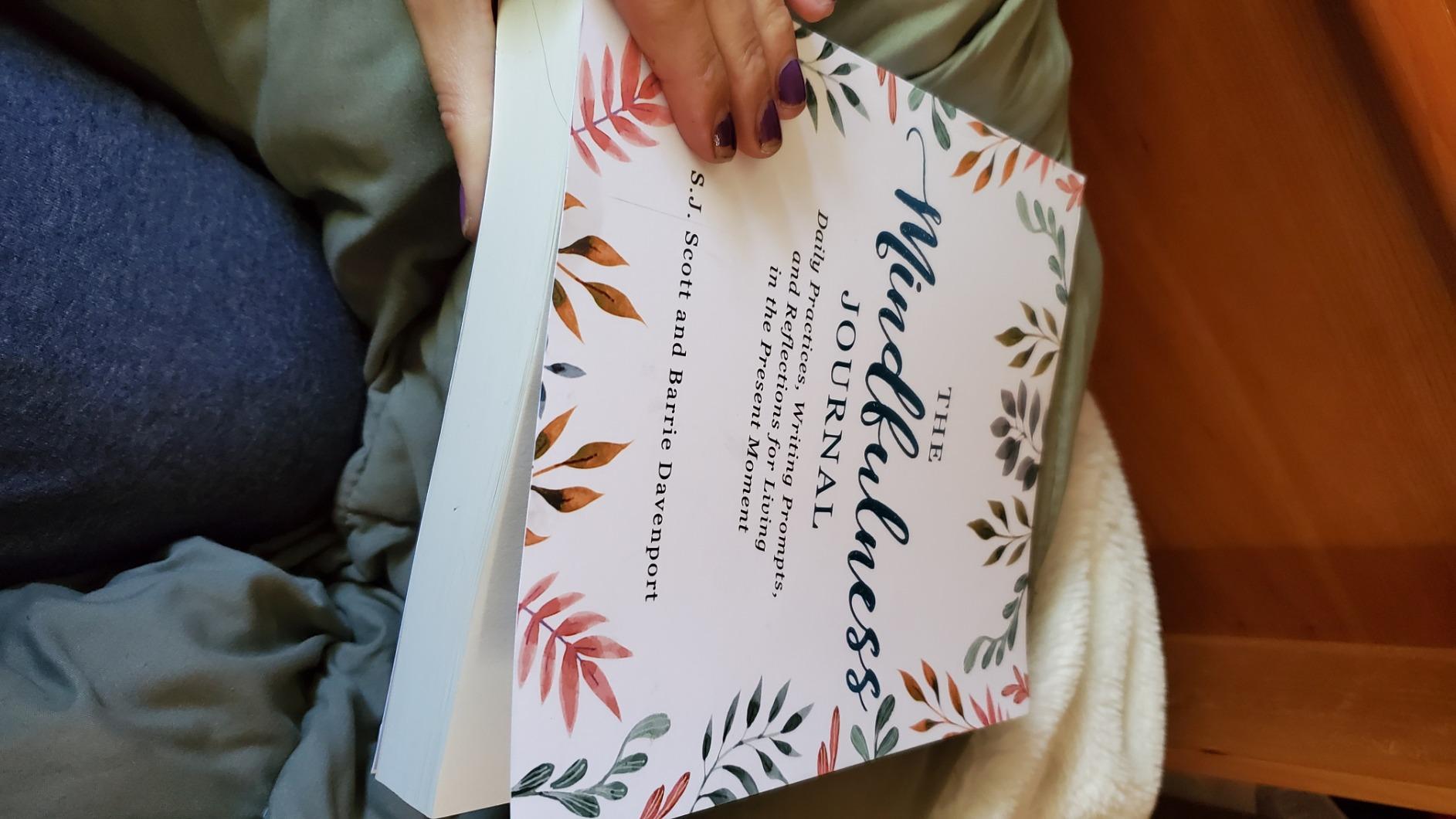
The prompts cover everything from gratitude to dealing with difficult emotions. The author duo clearly understands cognitive behavioral principles, and the language is never preachy. One thing I noticed while testing this journal is that it works best for people who already have a journaling habit.
Beginners sometimes find the volume of content intimidating. The self-published format means the paper quality is thinner than premium competitors, but the price reflects that.
Format and Paper Quality
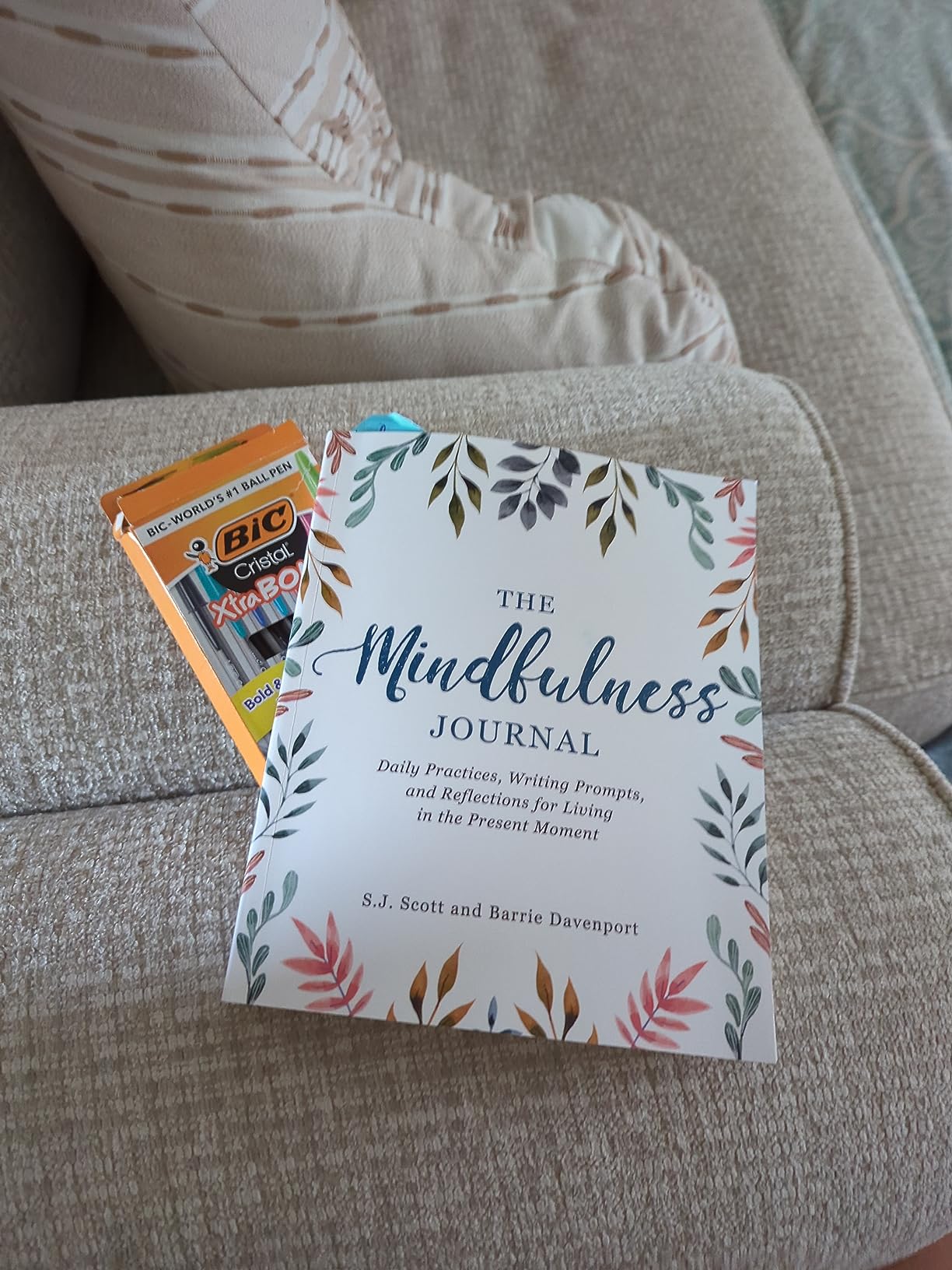
The 7.5 by 9.25 inch format gives you plenty of room to write. The 1.86 pound weight feels substantial without being bulky. The paper is uncoated and takes gel pens well, though heavy markers may bleed through.
There is no ribbon bookmark, which I wish it had for quick reference. The Mindfulness Journal pairs well with a morning routine and works especially well during retreats or on long flights when you want to unplug.
Who This Journal Works Best For
I recommend this to clients who want depth over speed. If you are willing to commit to ten or fifteen minutes a day and you enjoy structured readings, this is for you. It is also a thoughtful gift for someone going through a life transition.
Avoid it if you want a quick daily practice or a luxury hardcover presentation. Skip it if you prefer blank pages or modern positive psychology frameworks.
2. Self-Mastery Journal for Men by Realizations
Self-Mastery Journal for Men with Prompts – 13 Week Guided Gratitude Journal – 5 Minute Journal – Reflection Manifestation Journals for Mindfulness – Self Care Journal – Goal Journal for Women & Men
220 pages
13-week program
Linen hardcover
Pros
- Structured 13-week program
- Brief 5-minute daily commitment
- Premium linen hardcover
Cons
- Limited versatility beyond 13 weeks
- Generic questions for some prompts
My husband tested this journal for a full quarter, and I have to admit I was impressed. The 13-week structure feels like a personal training program for your mind. You commit to ninety days, follow the prompts, and build habits that stick.
The format is gender-neutral despite the name. Several women in my circle have used it successfully. The journal is split into morning and evening sections, each taking about two to three minutes.
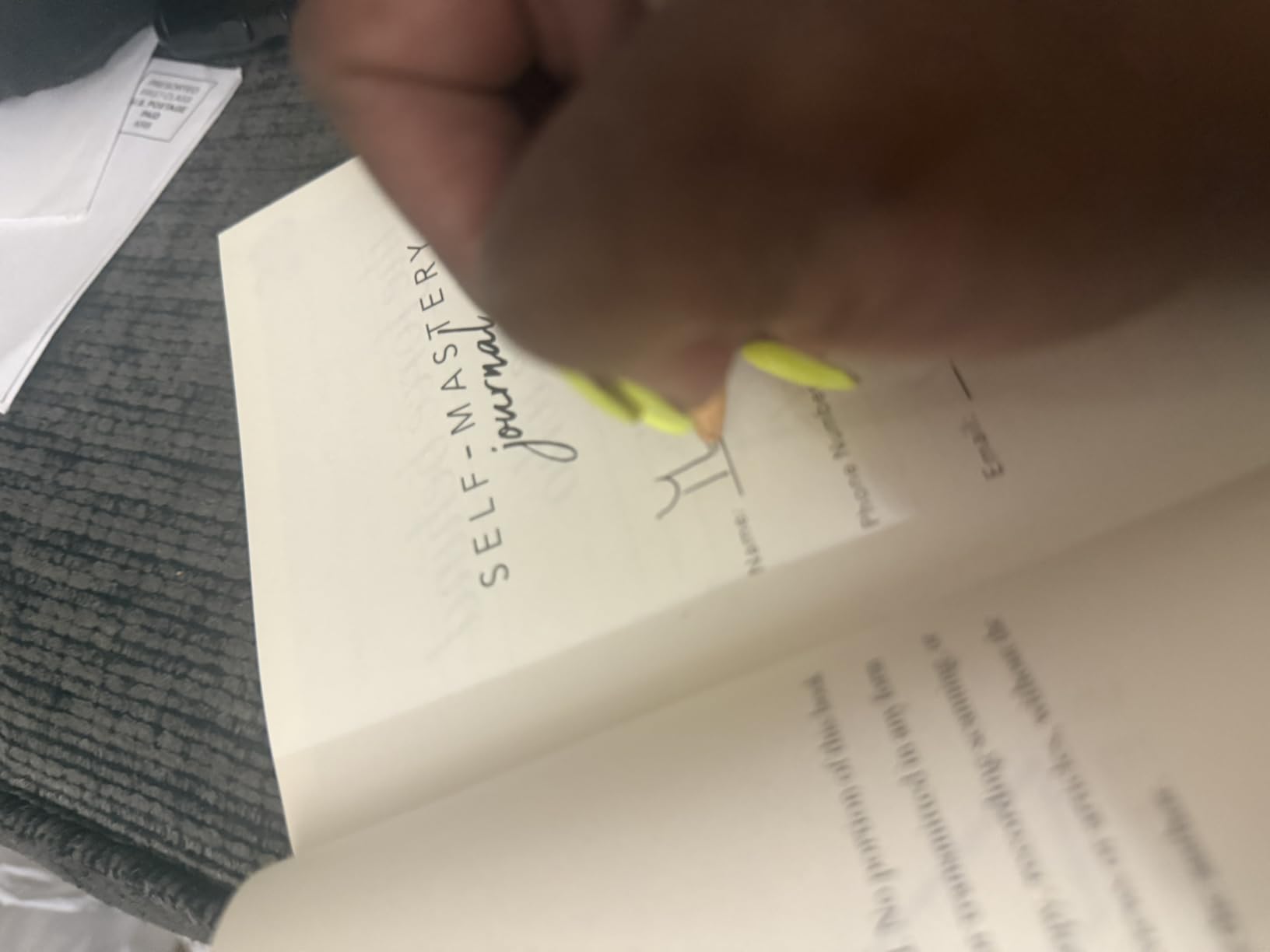
That totals five minutes a day, which is doable even on hectic mornings. The questions span gratitude, goal tracking, daily affirmations, and weekly reviews. I noticed the prompts dig deeper than typical gratitude journals after the first month.
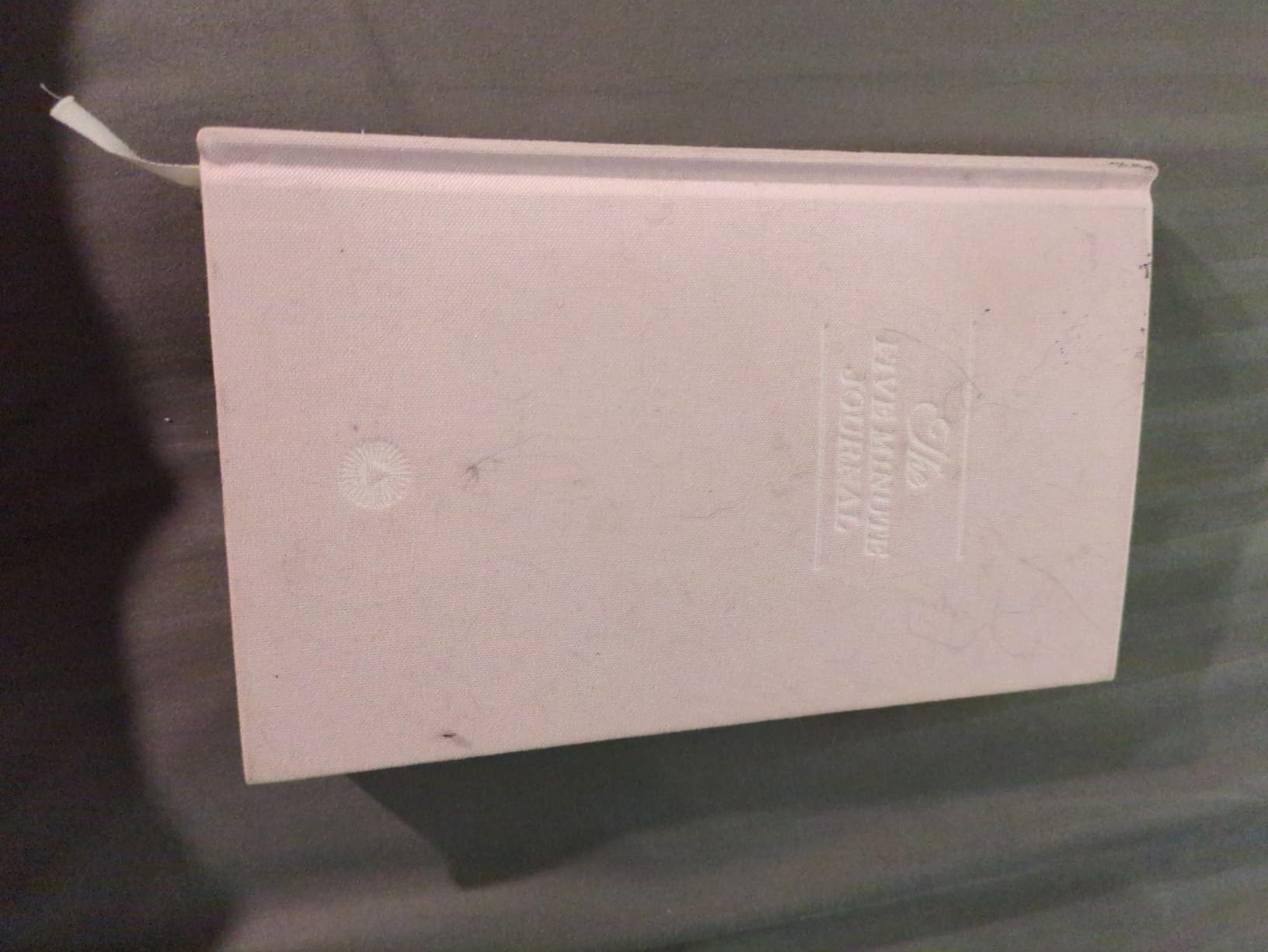
The linen hardcover is a real upgrade from entry-level journals. It feels like something professional, not a cheap workbook. The A5 size fits easily in a backpack, and the 220 pages have a satisfying weight.
Goal Setting Framework
With 2,076 reviews averaging 4.7 stars, this is one of the more reliable budget-friendly guided journals. The journal includes a structured goal-setting section at the start that I appreciated.
It breaks big ambitions into weekly micro-goals. The weekly review prompts forced me to acknowledge wins I would have otherwise overlooked. For anyone who has struggled with New Year resolutions, this framework feels more sustainable.
Who This Journal Works Best For
Pick this journal if you want to combine journaling with concrete productivity gains. Coaches, entrepreneurs, and people in career transitions tell me they love it. It is also a strong pick for couples who want to journal together.
Skip it if you want an open-ended journal you can use for years without repetition. The 13-week structure is fixed, so once you finish, you either repeat it or move on.
3. The Five Minute Journal by Intelligent Change
Pros
- Prompts grounded in positive psychology research
- Premium linen hardcover
- Beginner-friendly morning and evening flow
Cons
- Premium price point
- Not ideal for deep emotional processing
The Five Minute Journal by Intelligent Change is the journal I recommend most often to first-time journalers. With over 17,600 reviews and a 4.5-star average, it has earned its reputation as a category leader.
I have gifted this to colleagues, family members, and at least a dozen coaching clients. The response is almost always positive. The structure is simple and works in just five minutes a day.
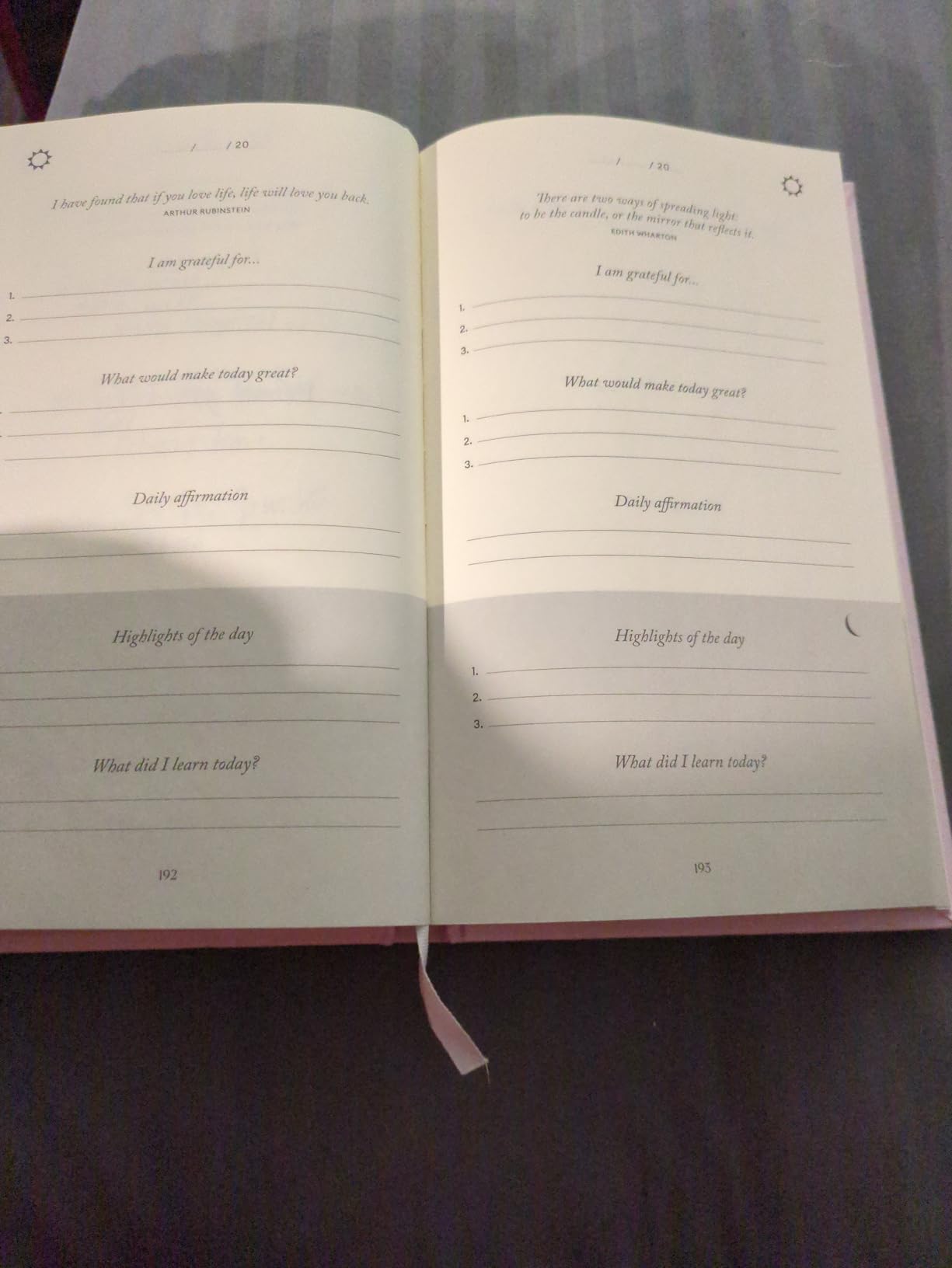
In the morning, you write three things you are grateful for, three things that would make the day great, and a daily affirmation. In the evening, you record three amazing things from the day and how you could have made it better.
What sets this journal apart is the science. The prompts are grounded in positive psychology research from institutions like UC Davis. I have personally noticed the framing exercises helped me reframe setbacks within weeks of consistent use.
Daily Structure Breakdown
The minimalist linen cover also looks beautiful on a desk. The sustainably sourced paper is a bonus. The price is higher than budget options, but the build quality justifies it.
The 264 pages are undated, so you can start any day of the year. The bookmarks include both morning and evening ribbons, which is a thoughtful touch. Some users find the prompts repetitive after a few months, but most say the habit itself is what matters.
Who This Journal Works Best For
This is the best pick for beginners who fear blank pages. It is also excellent for busy professionals who want a research-backed gratitude practice. I recommend it for anyone recovering from burnout or going through a stressful season.
Skip it if you want long-form journaling or trauma processing. It is built for daily maintenance, not deep excavation.
4. 6-Minute Diary by UrBestSelf
6-Minute Diary – 3-Million-User Gratitude Journal for Women & Men with Prompts – Guided Self Care Book Based on Positive Psychology – Daily Manifestation
288 pages
Positive psychology
Undated
Pros
- Six-minute daily commitment
- Weekly reflection questions
- CO2-neutral and vegan materials
Cons
- Long 85-page introductory section
- Repetitive for advanced users
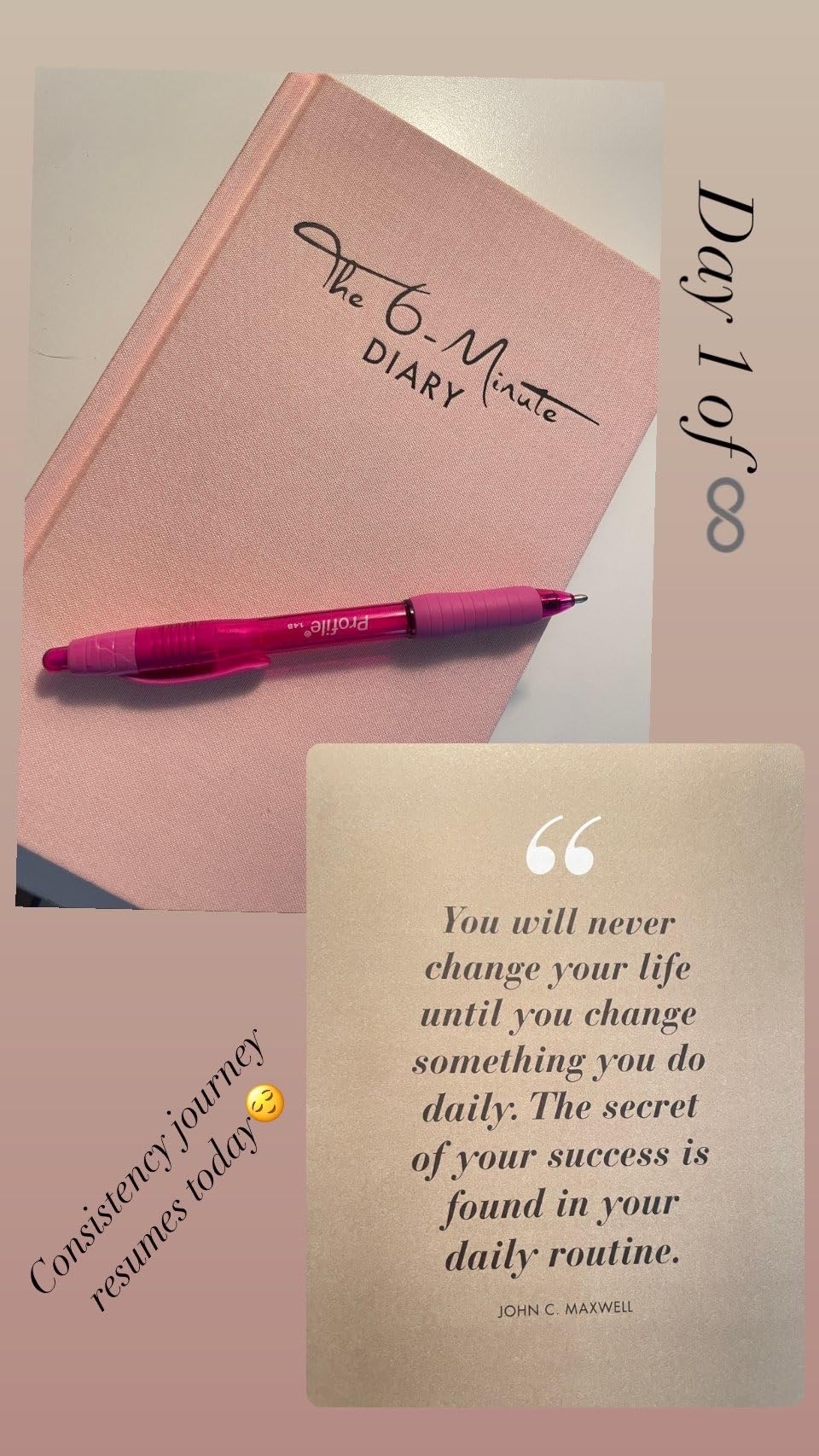
Used by over three million people worldwide, the 6-Minute Diary is a European favorite that has crossed the Atlantic. I tested it for six weeks alongside my normal journaling routine.
The structure felt similar to the Five Minute Journal but with more depth on the weekly reflections. The premise is straightforward: six minutes shifts your mindset.
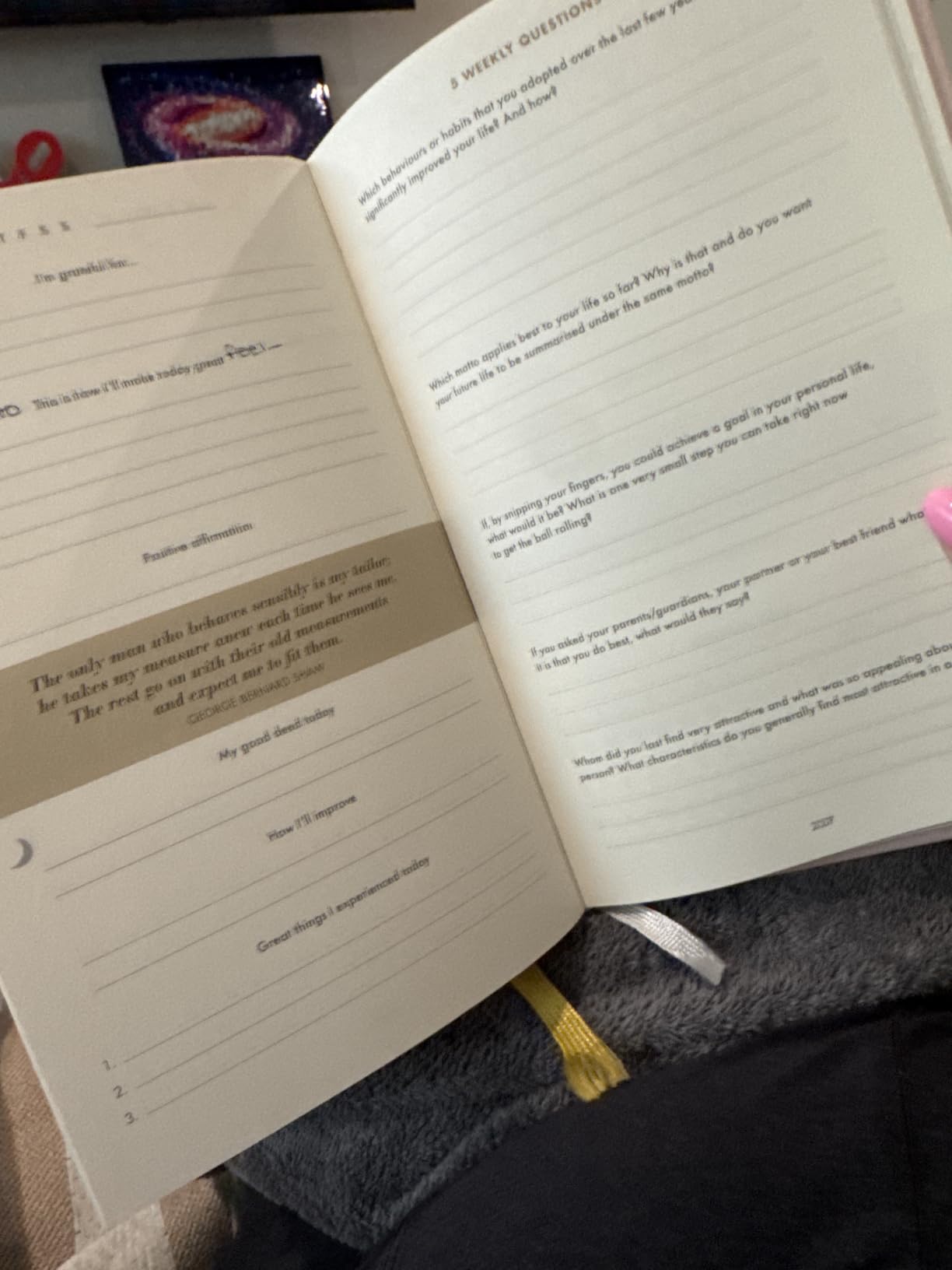
The diary is built on positive psychology principles, including gratitude, affirmations, and visualization. Each day, you open with three things you are grateful for, three things that would make today great, and a daily affirmation.
The evening section adds three positive experiences from your day and a lesson learned. Weekly prompts appear on Sundays for deeper reflection. The French linen hardcover gives it a premium feel, and the CO2-neutral printing aligns with eco-conscious buyers.
Positive Psychology Approach
The 288 pages include six months of daily entries, which makes it perfect for a half-year commitment. The morning and evening prompts do not exceed six minutes total, which is doable even on packed days.
The journal leans heavily on positive psychology frameworks popularized by researchers like Martin Seligman. The weekly reflection questions are notably deeper than other top competitors, prompting you to look at patterns in your life.
Who This Journal Works Best For
I recommend this to people who want positive psychology without the fluff. It is also a strong choice for those who want a six-month commitment rather than an open-ended journal.
Beginners who like structure and science will love it. Skip it if you want extensive blank pages or trauma-focused prompts. The introductory section is also lengthy at 85 pages.
5. Burn After Writing by Sharon Jones
Pros
- Affordable price point
- Thought-provoking introspective prompts
- Encourages total honesty through burning concept
Cons
- Not a daily journaling format
- Fire requirement may not appeal to everyone
With nearly 79,000 reviews, Burn After Writing has become a cultural phenomenon. I gifted this to a teenage niece and a 60-year-old client, and both reported breakthrough moments.
The concept is simple but powerful. You answer deeply personal questions, then literally burn the pages when you finish. Privacy is built into the ritual.
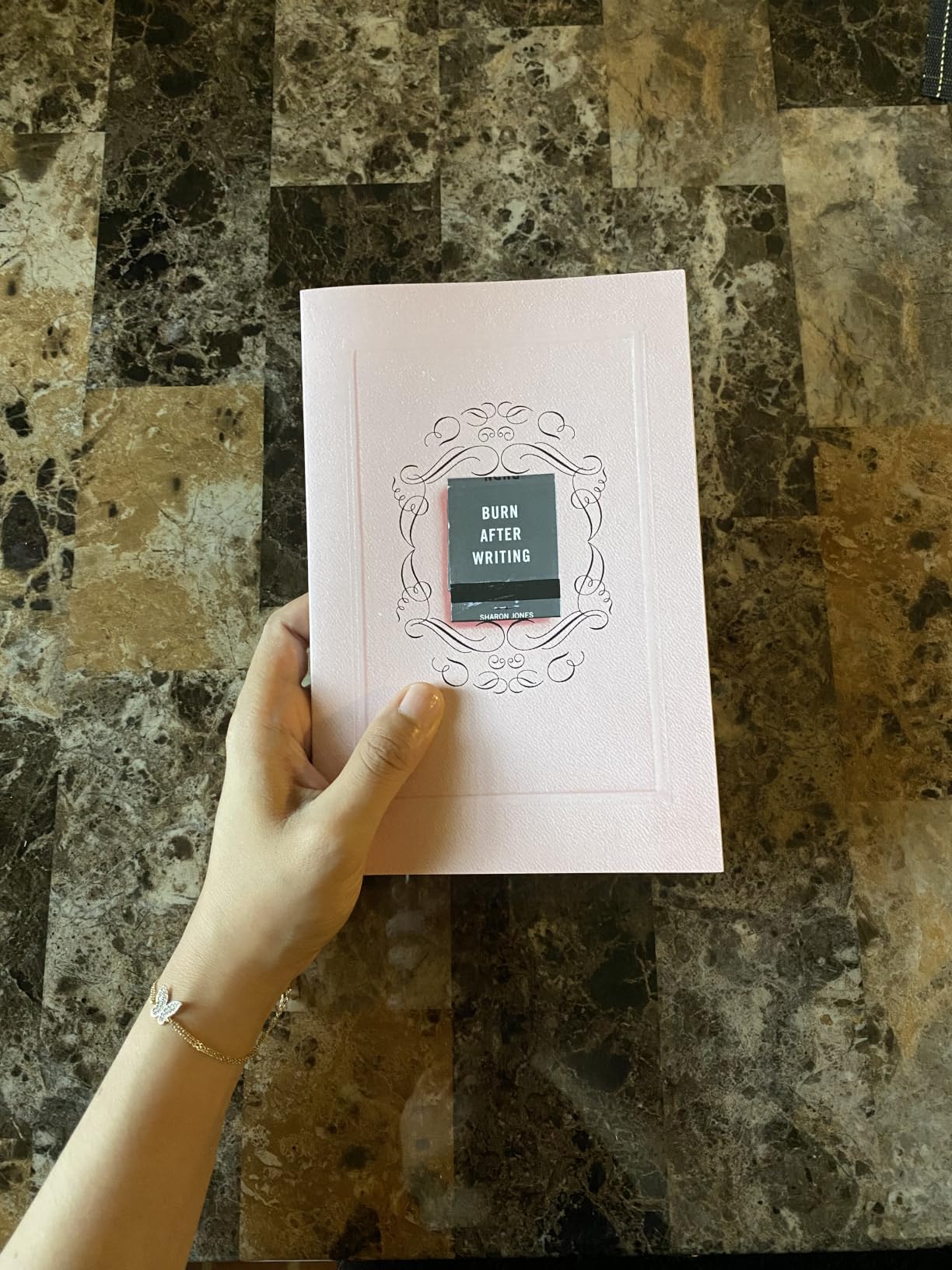
The book is not a daily journal. It is a one-time journey through prompts like what you would say if you had no filter, what you fear most, and what you wish people knew about you.
My niece told me the questions felt like therapy without the therapist. My client said it helped her process grief she had been carrying for years. The minimalist layout gives you ample space to write.
Privacy and Emotional Honesty
The rectangular 5.28 by 7.96 inch format fits in a small bag. The 160 pages are filled with prompts organized by themes like family, relationships, regrets, and dreams.
The price is also a major win, making it accessible for almost any budget. The unique selling point is the burning. When you know the page will not exist tomorrow, you write more honestly.
Who This Journal Works Best For
Pick this if you want a single deep dive into your inner world. It is excellent for people in therapy who want to explore specific topics between sessions.
Teens and young adults often engage well with the format. Skip it if you want a daily habit or a long-term journaling practice.
6. Fuck It Guided Journal by Gentle Root Co
Fuck It: A Guided Self-Love and Gratitude Journal for Women to Unfuck Your Life, Exhale the Bullshit, and Love Who You Are (Cute Self Care & Self Help Books)
110 pages
Self-love prompts
Compact
Pros
- Affordable and approachable
- Tone is warm and not preachy
- Compact size for travel
Cons
- May feel too basic for advanced users
- Limited content depth at 110 pages
The Fuck It Journal by Gentle Root Co is the most approachable entry on this list. With 81 percent of reviews awarding five stars, it has built a devoted following among women who want self-love without the saccharine motivational language.
I tested it for two weeks and appreciated the no-nonsense tone. The format is straightforward. Each page has a prompt, a check-in area, and space to write.

Prompts range from identifying your triggers to declaring what you no longer tolerate. The author embraces a direct, almost irreverent voice that feels refreshing if you are tired of affirmation-speak.
At 110 pages, it works as a starter journal. The compact 6 by 9 inch size makes it easy to carry. The 5.9 ounce weight is lighter than most journals, and the price is very accessible.
Self-Love and Acceptance Focus
I gifted this to three friends who had never journaled before, and all of them completed it. That conversion rate is hard to beat for any beginner tool.
The journal leans into self-love in a practical way. It does not tell you to love yourself unconditionally. It walks you through identifying boundaries, releasing guilt, and recognizing your worth.
Who This Journal Works Best For
The prompts feel like talking to a friend who will not let you off the hook. That directness is what makes it work for people who cringe at traditional affirmations.
This is the best entry point for journaling beginners. It is also great for travel because of the compact size. Skip it if you want a long-term daily practice.
7. Carl Jung-Based Shadow Work Journal by Adeleine Voss
Carl Jung–Based Shadow Work Journal and Workbook for Deep Healing: Guided Prompts for Emotional Healing, Trauma Recovery, and Mindful Living
107 pages
Trauma recovery
Jungian psychology
Pros
- Based on Carl Jung shadow work concepts
- Includes trauma recovery exercises
- Accessible for Jungian beginners
Cons
- Some content feels basic
- Not ideal for Kindle Scribe annotation
Shadow work is one of the most-requested topics from my coaching clients. This journal by Adeleine Voss makes it accessible.
I have worked through Jungian psychology for years, and I was impressed by how cleanly this workbook introduces heavy concepts. The 107 pages are dense with prompts that encourage deep emotional exploration.
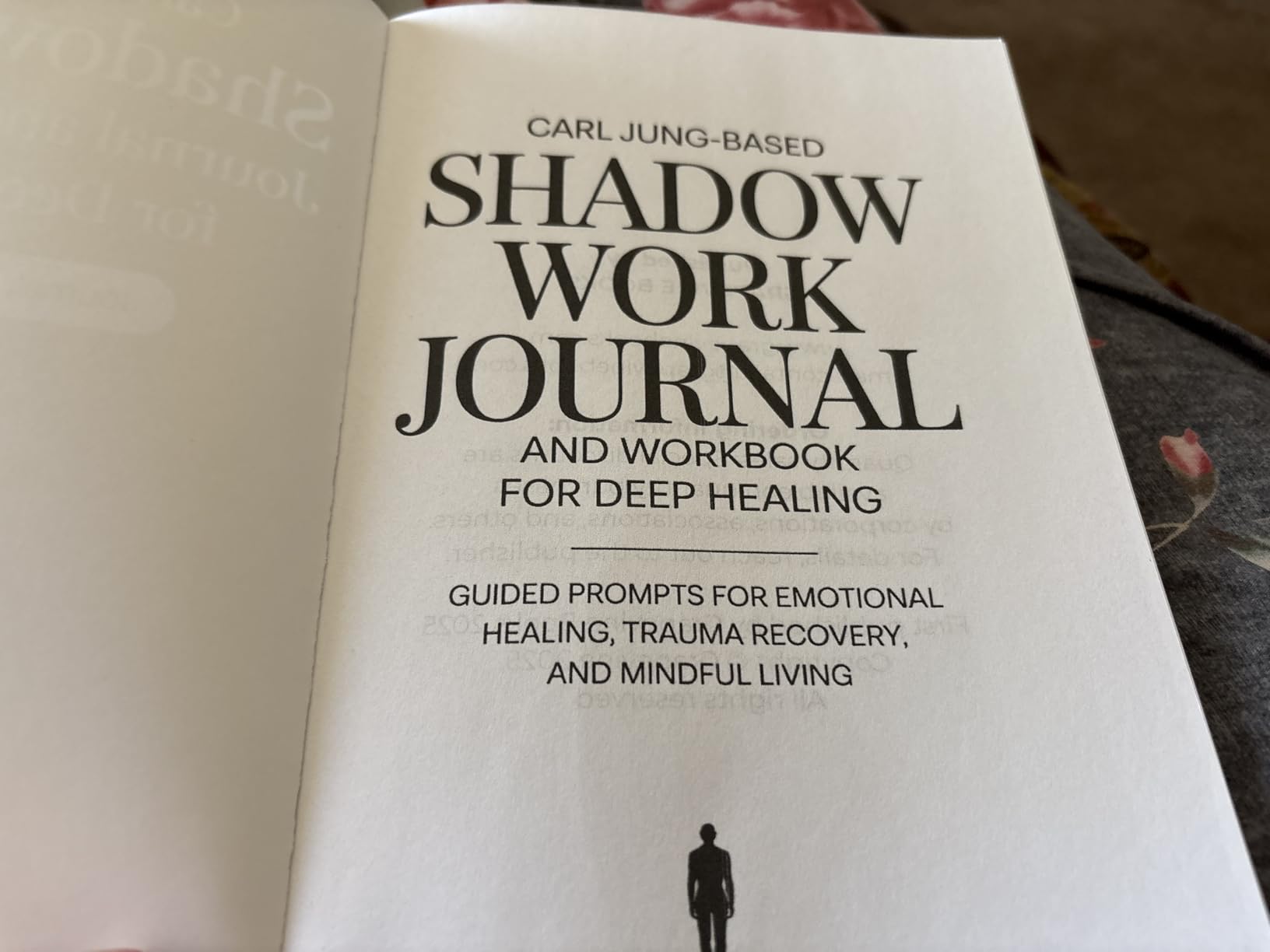
The journal is structured around Carl Jung’s shadow work methodology. You explore the parts of yourself you have hidden, integrated, or rejected.
Prompts include identifying your inner critic, exploring childhood wounds, and recognizing projections. The dream analysis section added a layer I had not seen in other shadow work resources.
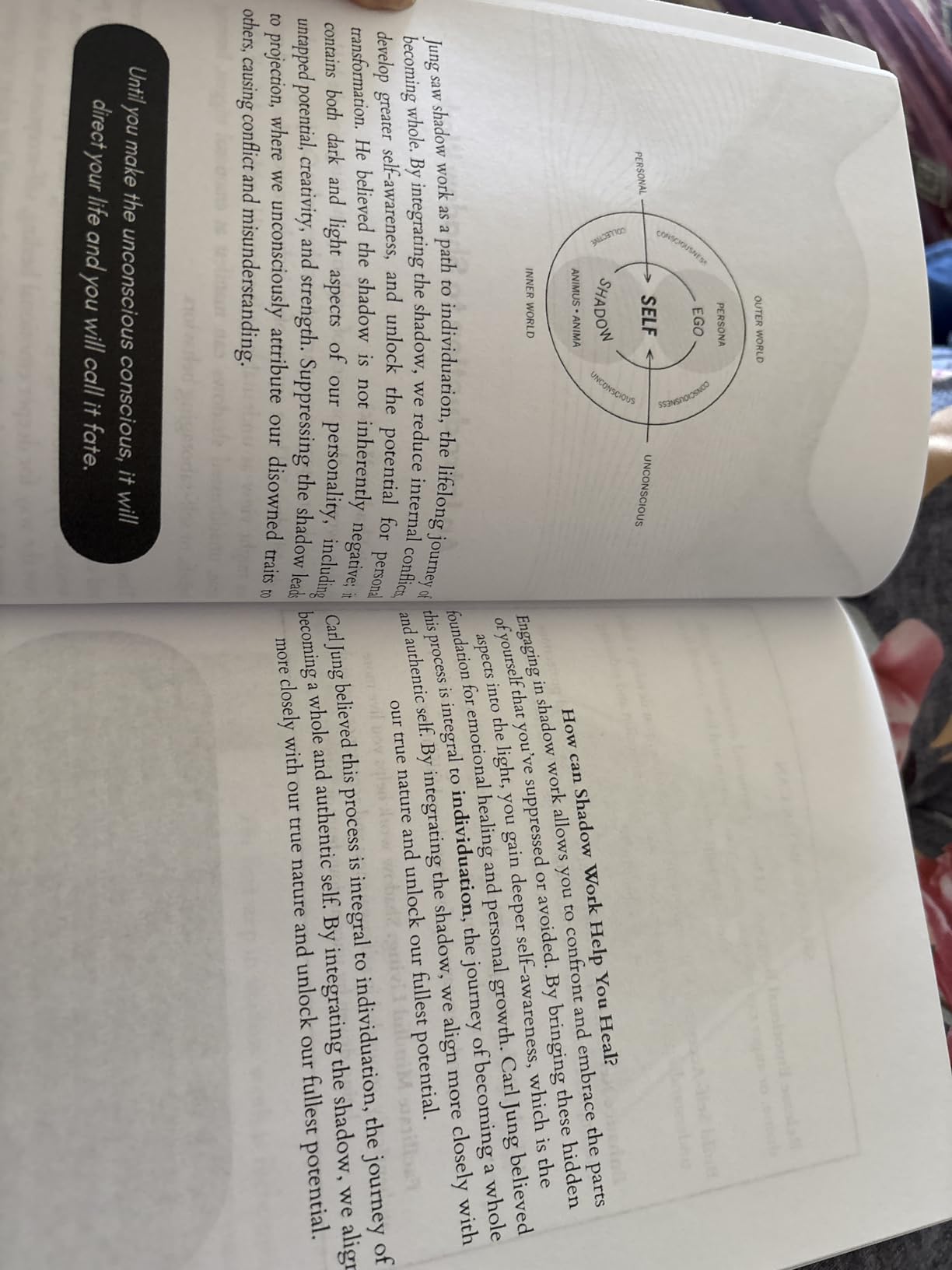
Jungian Concepts Made Simple
The price makes this an excellent entry point for shadow work. With 83 percent of reviews awarding five stars, it has strong user satisfaction.
The 6 by 9 inch format is comfortable to write in, and the 15.2 ounce weight feels substantial. It is also a 2025 publication, so the content is fresh. The author translates Jung’s ideas into modern language without dumbing them down.
Who This Journal Works Best For
I appreciated the trauma-informed approach, which includes grounding exercises between intense prompts. The integration of dream analysis gives it a holistic feel.
Pick this if you are curious about shadow work and Jungian psychology. It is excellent for people in therapy who want homework between sessions. Skip it if you prefer light, positive-only journaling.
8. Shadow Work Journal and Workbook by Scarlett Kent
Shadow Work Journal and Workbook – 2 in 1: A Dream-Life Guide for Self-Explorers to Transform Your Life, Heal Your Inner Child and Join the Shadow Self | Step-by-Step Prompts, Exercises & Affirmations
185 pages
Inner child healing
2-in-1 format
Pros
- Combines journal and workbook exercises
- Inner child healing focus
- Includes Carl Jung archetype framework
Cons
- Some grammatical errors noted
- Repetitive phrasing in select sections
The Shadow Work Journal and Workbook by Scarlett Kent is the most comprehensive shadow work option on this list. At 185 pages, it doubles as both a journal and a structured workbook.
I worked through it over two months and found the archetype framework especially valuable for understanding recurring patterns. The format is two-in-one, which sets it apart from single-format journals.
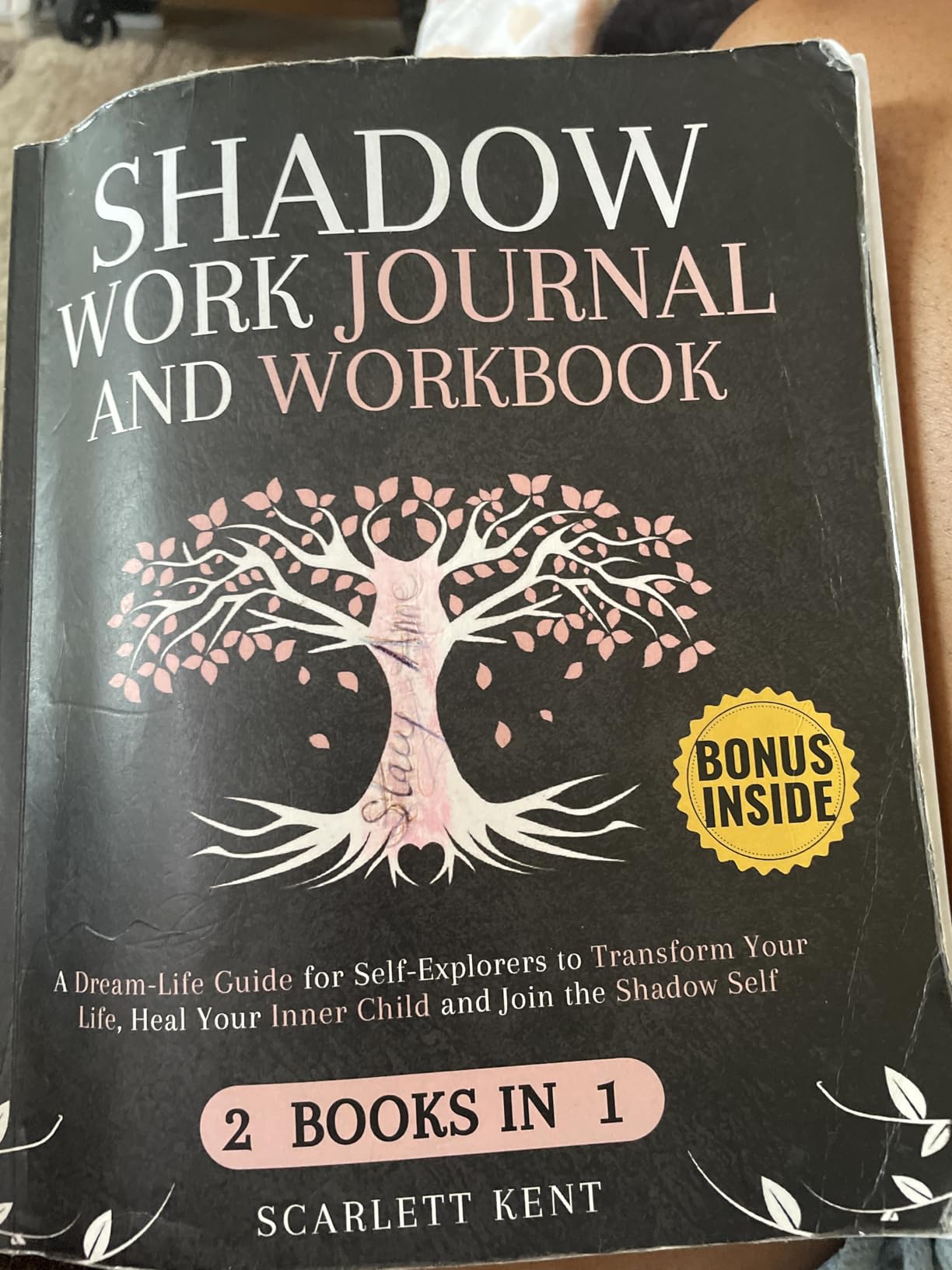
The journal section includes prompts for daily reflection. The workbook section offers step-by-step exercises for inner child healing, shadow integration, and affirmations.
The Carl Jung archetype framework helps you identify which personas you lead with and which ones you have suppressed. With 870 reviews and a 4.4-star average, this journal has built a loyal following.
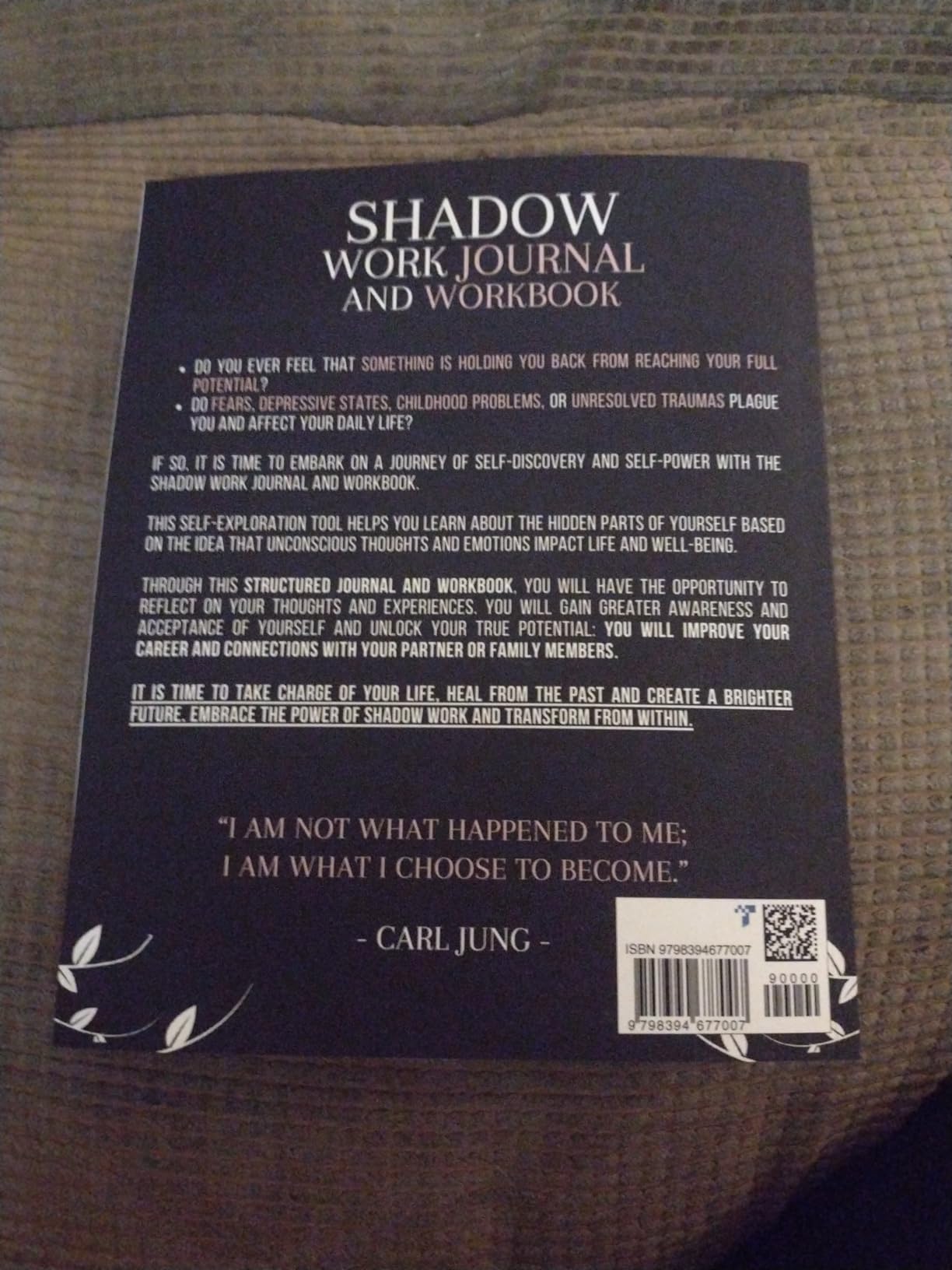
Inner Child and Archetype Work
The 7.5 by 9.25 inch format gives you ample space, and the 15.5 ounce weight feels like a quality workbook. The price is mid-range, and the content depth justifies the cost.
The inner child healing section is particularly well done. I used it with a client who had unresolved childhood trauma, and the prompts helped her access buried emotions safely.
Who This Journal Works Best For
The archetype framework includes a quiz to identify your dominant patterns, which I found personally useful. The affirmations close each section with positive reinforcement.
Choose this if you want to go deep into shadow work with structure. It is ideal for people in therapy who want a comprehensive companion workbook. Skip it if you prefer a lighter, more positive journaling practice.
How to Choose the Right Self-Reflection Journal
Choosing the right journal starts with understanding what you want from the practice. Ask yourself three questions: do I want a daily habit or a one-time deep dive? Do I prefer structured prompts or free writing? Do I want to focus on gratitude, self-love, or shadow work?
Your answers will narrow the field quickly. The best journals for self-reflection are not one-size-fits-all. Match the format to your goals and your current emotional season.
Decide Between Dated and Undated Formats
Dated journals work if you want to start on January 1 and follow a calendar. They create structure but also pressure.
Undated journals let you skip days without guilt and start anytime. For beginners, I almost always recommend undated formats because they remove the resistance of catching up.
Match the Prompt Style to Your Goals
Gratitude journals like the Five Minute Journal focus on positive psychology and quick wins. Shadow work journals like the Jung-based options explore darker, hidden parts of yourself.
Self-love journals like the Fuck It Journal combine humor with boundary-setting. Pick the style that matches your current emotional season.
Consider Paper Quality and Physical Feel
Paper quality matters more than people think. Thinner paper feels disposable and may bleed through. Heavier paper at 100 gsm or higher feels like a gift to yourself.
Hardcovers last longer and lie flat, while paperbacks are more portable. If you plan to write with fountain pens, look for 100 gsm or higher.
Balance Time Commitment with Real Life
A five-minute journal works for busy seasons. A fifteen-minute journal works for retirement or sabbaticals.
Be honest about how much time you will actually commit. The best journal is the one you finish, not the one with the most pages.
Look for Expert or Therapeutic Backing
Journals based on positive psychology or cognitive behavioral therapy have research behind their prompts. Shadow work journals rooted in Jungian psychology offer depth but require emotional readiness.
If you are processing trauma, choose a journal with trauma-informed language and consider working with a therapist alongside your practice.
Reflective Journal vs Gratitude Journal
A reflective journal explores thoughts, emotions, decisions, and patterns over time. A gratitude journal focuses specifically on appreciation and positive experiences.
Reflective journals are broader and deeper. Gratitude journals are simpler and more consistent. Many people combine both approaches.
Set Yourself Up for a Daily Habit
Place your journal where you will see it. Tie it to an existing habit like morning coffee or evening teeth brushing. Set an alarm if needed.
Start with two minutes and build up. The first 30 days are the hardest, so do not judge the practice until then.
Frequently Asked Questions About Self-Reflection Journals
What is a self-reflection journal?
A self-reflection journal is a guided notebook with prompts and exercises designed to help you explore your thoughts, emotions, and experiences for greater self-awareness and personal growth. The best journals for self-reflection use structured prompts to help you identify patterns and process emotions effectively.
Why should I buy a self-reflection journal?
Regular self-reflection through journaling reduces stress, improves emotional regulation, and enhances self-awareness. Research from the University of Texas shows expressive writing lowers stress hormones. The best journals for self-reflection also help you build a consistent mindfulness practice without needing a therapist.
How can I get the most out of my self-reflection journal?
Set a specific time each day, ideally morning or evening. Start with five minutes and build gradually. Write honestly without censoring yourself. Choose one of the best journals for self-reflection that matches your goals, whether that is gratitude, self-love, or shadow work. Review past entries monthly to notice patterns.
Are journaling planners good for mental health?
Yes, journaling planners are supported by research as a tool for mental health. Studies link regular journaling to lower anxiety, improved mood, and better emotional regulation. The best journals for self-reflection combine structured prompts with positive psychology principles to deliver measurable benefits over time.
What is the difference between a reflective journal and a gratitude journal?
A reflective journal explores your full range of thoughts, emotions, and experiences to gain self-awareness. A gratitude journal focuses specifically on appreciating positive things in your life. Reflective journals are deeper and broader, while gratitude journals are simpler and more consistent. Many of the best journals for self-reflection blend both approaches.
Final Thoughts on the Best Journals for Self-Reflection
After testing the best journals for self-reflection on this list, I keep coming back to the same conclusion. The right journal is the one you actually use.
The Five Minute Journal by Intelligent Change is my top pick for most people because it is research-backed, beautifully made, and beginner-friendly. For deeper work, the Shadow Work options deliver genuine transformation.
If you are new to journaling, start with the Fuck It Journal or the Five Minute Journal. They remove the friction of blank pages and build confidence. If you want positive psychology with weekly depth, the 6-Minute Diary is excellent.
For a one-time deep dive, Burn After Writing is unmatched at its price. If you are ready for shadow work, the Jung-based journals offer serious depth.
The best journals for self-reflection are tools, not magic. They provide structure, but the work is yours. Pick one, commit to thirty days, and notice what shifts.
Your future self will thank you for starting today.