
I have filled dozens of journals over the past decade, and I can tell you from experience that the hardest part is never finding time to write. The hardest part is staring at a blank page and not knowing where to begin. That is exactly where the best guided journals for self-discovery come in.
A guided journal is a structured notebook with written prompts and exercises designed to help you explore your thoughts, process emotions, and discover more about yourself through targeted questions and reflections. Unlike a blank diary where you decide what to write each day, a guided journal hands you a starting point every time you open it.
Our team tested 10 guided journals over a three-month period, filling pages daily to compare prompt quality, paper durability, and how each one actually felt to use week after week. We looked at everything from quick five-minute formats to deep 365-day programs covering shadow work, gratitude, emotional healing, and personal growth. Whether you are a complete beginner or someone who has journaled for years, this guide will help you find the right fit.
Table of Contents
Our Top 3 Guided Journals for Self-Discovery
Before we get into the full reviews, here are our three standout picks. These journals rose to the top across every category we tested, from prompt depth to physical build quality.

INSIDE THEN OUT Dig Deeper Journal
- 180 Undated Prompts
- Vegan Leather Cover
- 6 Self-Discovery Themes
- Lay-Flat Binding

Five Minute Journal by Intelligent Change
- 5-Minute Daily Format
- Morning & Evening Sections
- 17k+ Reviews
- Linen Cover

5 MINUTES A DAY Mental Health Journal
- 13-Week Program
- Mood Tracking
- Linen Hardcover
- Daily Goal Setting
The INSIDE THEN OUT Dig Deeper Journal earned our Editor’s Choice spot for its balanced mix of depth and accessibility. The Five Minute Journal by Intelligent Change is the most reviewed guided journal on Amazon with over 17,000 ratings, making it our Top Rated pick for proven reliability. And the 5 MINUTES A DAY journal delivers exceptional value at under $10 for anyone wanting to test the waters without a big investment.
Best Guided Journals for Self-Discovery in 2026
We compared all 10 journals side by side so you can quickly scan the key features, ratings, and what makes each one unique. Here is the complete lineup.
| Product | Specifications | Action |
|---|---|---|
| INSIDE THEN OUT Dig Deeper Journal |
|
Check Latest Price |
 INSIDE THEN OUT Better Every Day INSIDE THEN OUT Better Every Day |
|
Check Latest Price |
 Let’s Get Real Guided Journal Let’s Get Real Guided Journal |
|
Check Latest Price |
 Guided Journal Self-Discovery & Balance Guided Journal Self-Discovery & Balance |
|
Check Latest Price |
| Intelligent Change Five Minute Journal |
|
Check Latest Price |
 Lamare Guided Journal for Women Lamare Guided Journal for Women |
|
Check Latest Price |
 90-Day Mental Health Journal 90-Day Mental Health Journal |
|
Check Latest Price |
 Self-Mastery Journal Self-Mastery Journal |
|
Check Latest Price |
 Fuck It Self-Love Journal Fuck It Self-Love Journal |
|
Check Latest Price |
| 5 MINUTES A DAY Mental Health Journal |
|
Check Latest Price |
1. INSIDE THEN OUT Dig Deeper Journal – 180 Undated Prompts for Deep Self-Discovery
INSIDE THEN OUT Dig Deeper Journal – Guided Daily Journal with 180 Undated Prompts for Intention, Healing, Growth, Gratitude, Self Love & Discovery – Self Care Routine Gift for Women and Men
180 Undated Prompts
6 Self-Discovery Themes
Vegan Leather Cover
100gsm Paper
A5 Size
Pros
- 180 thoughtful prompts across 6 themes
- Undated format lets you go at your own pace
- Premium vegan leather with gold detailing
- Lay-flat binding with ribbon bookmark
- 100gsm bleed-proof paper
Cons
- Some users may prefer blank pages over guided prompts
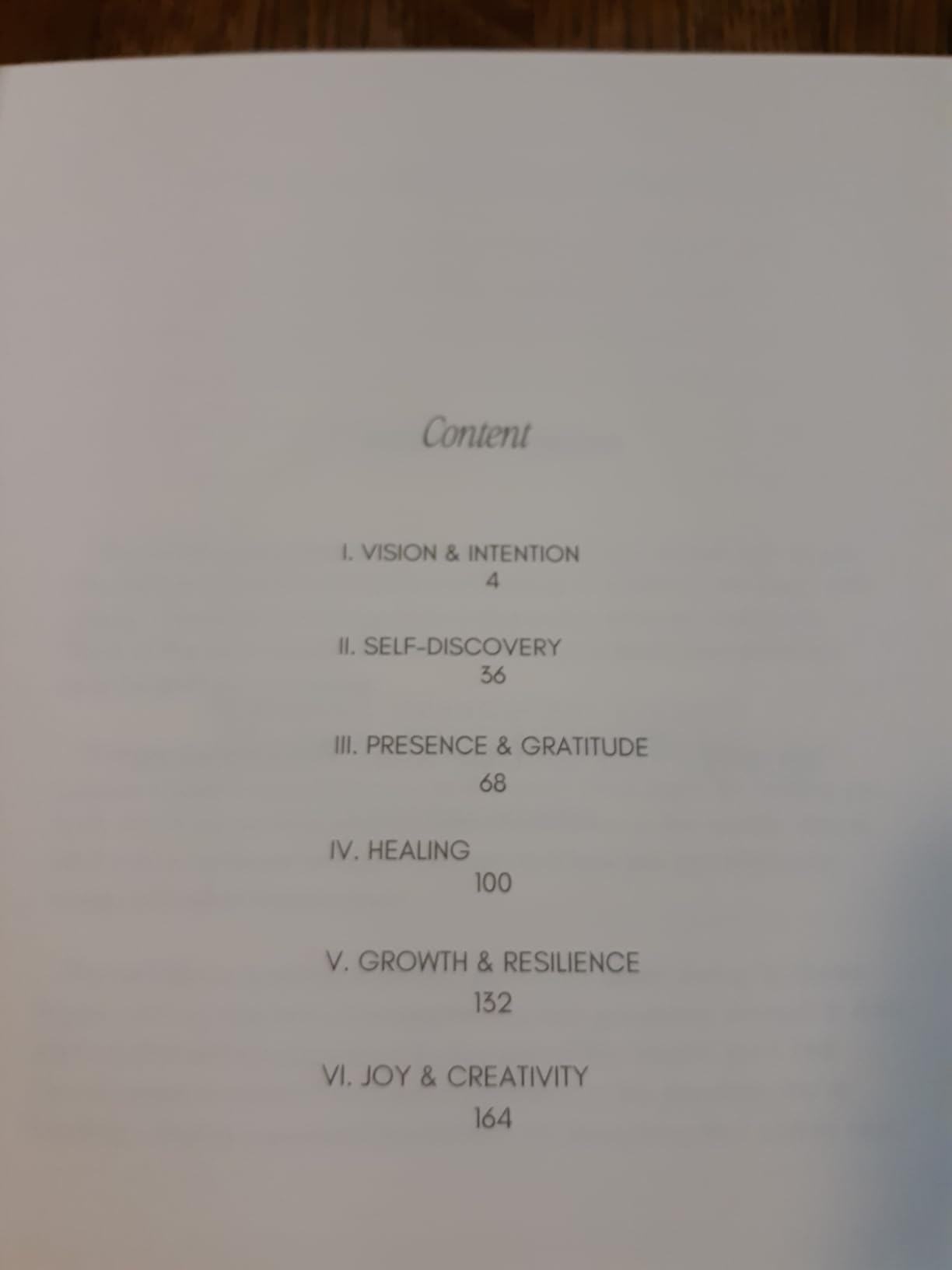
The first time I opened the INSIDE THEN OUT Dig Deeper Journal, I was struck by how heavy and substantial it felt. The beige vegan leather cover has a textured finish with gold foil detailing that looks far more expensive than its price suggests. This is a journal that makes you want to write in it.
What sets this journal apart is its six-theme structure. Each section focuses on a different dimension of self-discovery: intention, healing, gratitude, presence, purpose, and growth. I found that working through these themes in sequence created a natural arc. The prompts start light and gradually push you toward deeper reflection without feeling forced or overwhelming.
The 180 undated prompts give you roughly six months of daily journaling if you stick with it. Because the pages are undated, there is zero guilt if you skip a day or even a week. You simply pick up where you left off.
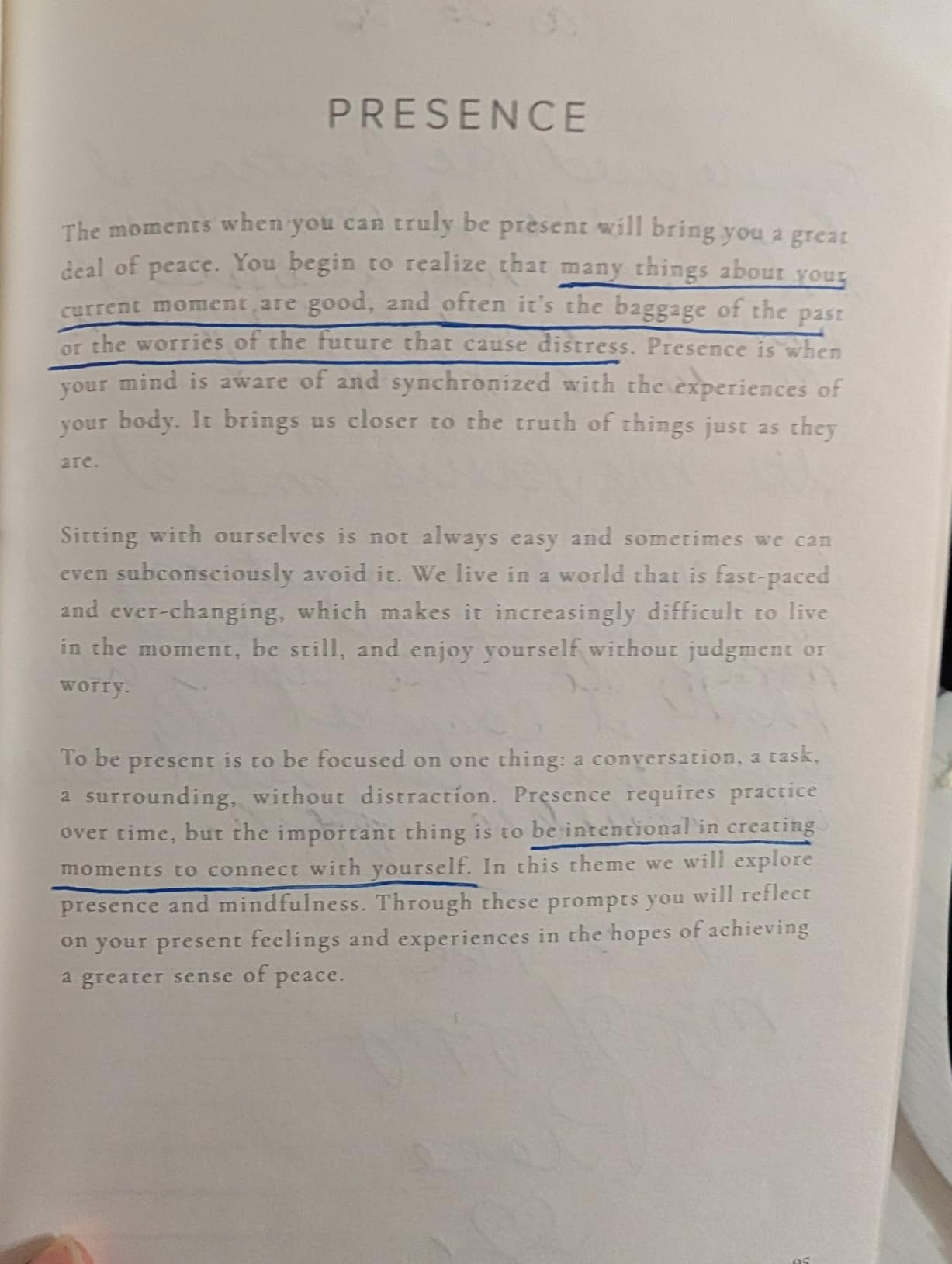
On the technical side, the 100gsm paper handled every pen I tested without bleeding or ghosting. I used gel pens, fountain pens, and even some light watercolor on a few pages. The lay-flat binding worked perfectly at every page spread, which matters more than you might think when you are writing for more than a few minutes.
At 187 pages in an A5 format (5.8 by 8.5 inches), it is compact enough to carry in a bag but large enough to write comfortably. The ribbon bookmark is a small touch that I appreciated every single day during testing.
Who Gets the Most Out of This Journal
This journal shines for people who want a structured self-discovery journey without the pressure of daily deadlines. If you are navigating a life transition like a career change, breakup, or quarter-life reckoning, the six-theme progression walks you through the emotional landscape in a way that feels guided rather than prescribed.
It also works beautifully as a gift. The premium packaging and aesthetic make it feel special without being intimidating. Several Reddit users in r/Journaling mentioned gifting this to friends going through tough times, and the feedback was overwhelmingly positive.
What to Consider Before Buying
The Dig Deeper Journal leans toward reflective and emotional prompts rather than productivity or habit tracking. If you are looking for a journal that combines goal-setting with self-reflection, you might find this one too inwardly focused. The 180 prompts are substantial but not exhaustive, so if you journal multiple times per day, you will burn through them faster than six months.
Also worth noting: the vegan leather cover picks up oils from your hands over time. It is not a dealbreaker, but if you want a journal that stays pristine, the lighter beige color shows wear more than a darker option would.
2. INSIDE THEN OUT Better Every Day Journal – 365-Day Deep Dive Program
INSIDE THEN OUT Better Every Day Journal – Guided Daily Journal with 365 Pre-Dated Prompts for Self Love, Reflection, Growth, Gratitude, Wellness, and Healing – Self Care Routine Gift for Women Men
365 Pre-Dated Prompts
10 Journaling Themes
383 Pages
Vegan Leather
A5 Size
Pros
- Full year of daily prompts covering 10 themes
- Comprehensive 383-page format
- Premium vegan leather with gold details
- 100gsm bleed-proof paper
- Lay-flat binding with ribbon bookmark
Cons
- Pre-dated format may feel restrictive for some users
Where the Dig Deeper Journal gives you 180 prompts, the Better Every Day Journal goes all in with 365 pre-dated entries. This is the journal I would hand to someone who is serious about committing to a full year of self-discovery work and wants a structured program to follow.
The 10 themes here go deeper than the Dig Deeper version. You get self-awareness, understanding your past, love, relationships, self-care, happiness, passion, personal growth, and goals. Each theme cycles through multiple times across the year, so you revisit topics with fresh eyes as you grow.
I tested this journal for 30 days straight and found the pre-dated format surprisingly motivating. Seeing tomorrow’s date printed on the next page created a gentle accountability I did not expect. On the days I did not feel like writing, that date staring back at me was enough to get me to open the cover.
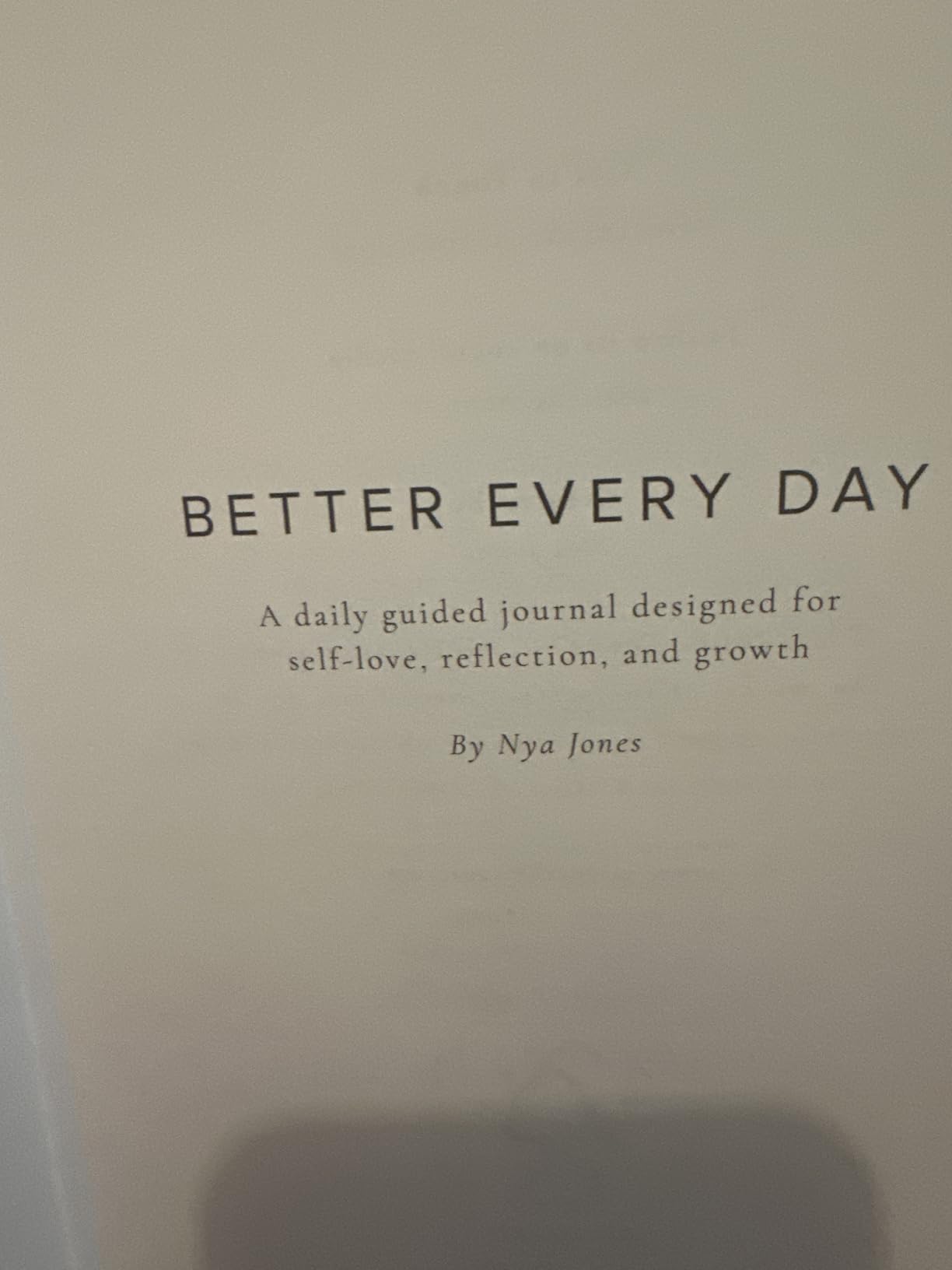
The build quality matches the Dig Deeper Journal. Same vegan leather, same gold detailing, same 100gsm bleed-proof paper. At 383 pages, this is a thick journal. It weighs about 1.9 pounds, so it is not something you toss in a small purse. But for a desk or bedside table companion, it feels like a proper commitment to yourself.
The black cover with gold accents has a sleek, professional look. I found it appropriate for any setting, whether that is your home office or a therapy waiting room. The lay-flat binding held up well through my testing period with no spine cracking.
Best Suited for Long-Term Committers
This journal is built for people ready to make a year-long commitment to self-reflection. The 10-theme approach means you will explore relationships, past experiences, and future aspirations alongside daily gratitude. It works well as a companion to therapy, giving you structured prompts between sessions that keep the emotional work moving forward.
If you have tried shorter journals and found yourself finishing them too quickly, the 365-day format solves that problem. You get a full year of guided exploration in one beautiful volume.
Things to Watch Out For
The pre-dated format is a double-edged sword. If you miss several days, seeing a string of empty pages can trigger guilt rather than motivation. Some users in r/Journaling noted they felt pressured by the dates and preferred undated alternatives. If you know your schedule is unpredictable, consider whether daily pressure will help or hinder your practice.
The 1.9-pound weight and larger size also make this less portable than other options on this list. It is a sit-down journal, not a throw-in-your-bag journal.
3. Let’s Get Real Guided Journal – 240 Prompts with Therapy-Style Depth
Chasing Red Flags: Let’s Get Real Guided Prompt Journal for Women and Men
240 Prompts
12 Reflection Themes
26 Coloring Pages
364 Pages
105gsm Paper
Pros
- 240 prompts across 12 self-reflection themes
- Therapist-recommended for mental health work
- 26 mindfulness coloring pages
- Undated zero-pressure format
- 105gsm bleed-resistant paper
Cons
- May be more therapeutic than creative for some users
The Let’s Get Real Guided Journal by Chasing Red Flags is the one I recommend most often to people who want therapist-style guidance without the therapist price tag. With 240 prompts across 12 themes, it dives into areas most journals avoid, including red flag patterns, boundary setting, and emotional triggers.
What immediately caught my attention was the inclusion of 26 mindfulness coloring pages scattered throughout. I was skeptical at first, but after a long day of deep emotional writing, those coloring pages offered a genuine mental reset. It is a small touch that makes this journal feel designed by someone who understands the emotional toll of real self-reflection.
The prompts here go deeper than typical gratitude journals. One prompt asked me to identify a pattern I keep repeating in relationships and trace it back to its origin. Another had me write a letter to my younger self. These are not surface-level questions, and I found myself spending 20 to 30 minutes on entries rather than the typical five.
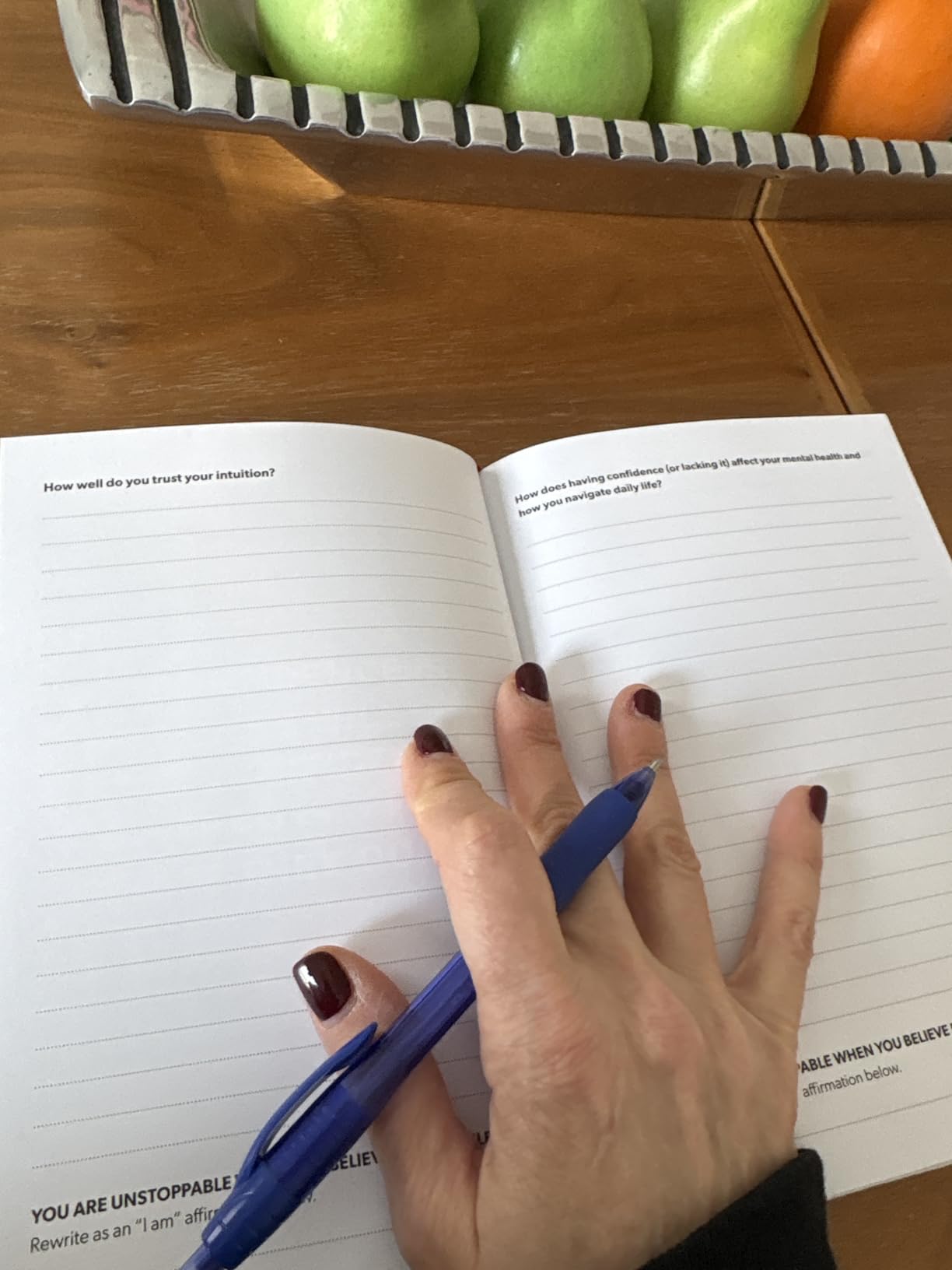
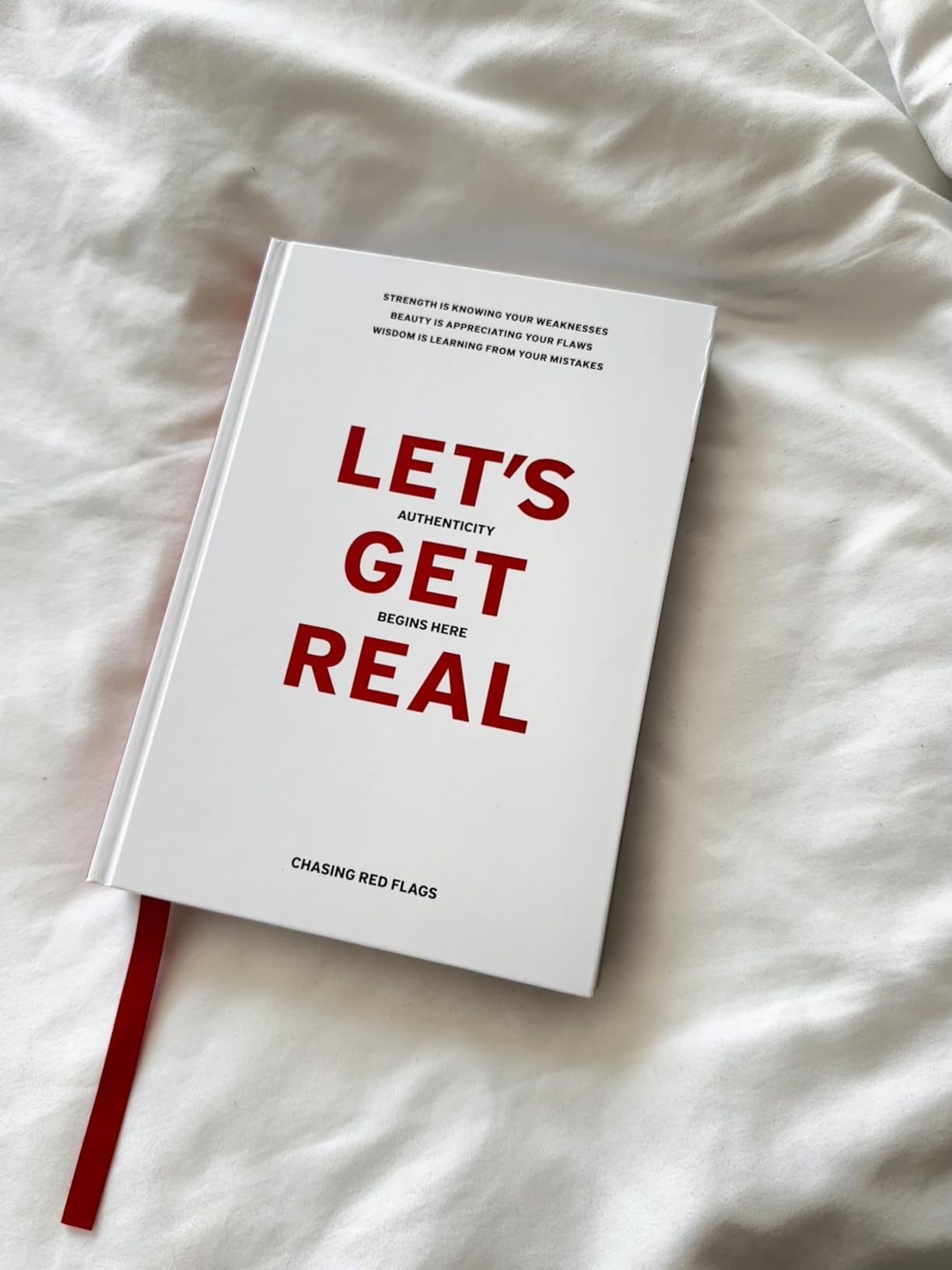
At 364 pages with 105gsm bleed-resistant paper, this is one of the most substantial journals on our list. The A5 hardcover with lay-flat binding held up perfectly through my testing. The white cover with clean typography looks modern and minimalist on a shelf.
The undated format means you can skip a day without any guilt. I appreciated this flexibility because some prompts hit harder emotionally, and I needed time to process before moving to the next one.
Perfect for Therapy Companionship
This journal works exceptionally well alongside therapy. The 12 themes map closely to common therapeutic areas: emotional regulation, self-worth, relationship patterns, and personal growth. Several reviewers mentioned bringing their journal entries to therapy sessions to discuss specific insights with their counselor.
If you are on a therapy waitlist or between sessions, this journal fills the gap with structured exercises that keep you engaged in the work. The therapist endorsement is not just marketing. The prompts genuinely reflect evidence-based therapeutic approaches.
Limitations to Consider
This journal is unapologetically therapeutic in tone. If you want something light and uplifting, the deep prompts about patterns and emotional wounds may feel heavy. The coloring pages help balance the intensity, but the core content is designed for people doing real inner work.
At 364 pages, it is also a significant time investment. Most users will spend months working through it. If you want quick daily entries, this is not the right fit.
4. Guided Journal for Self-Discovery and Balance by Michelle Fraley
Guided Journal for Self- Discovery and Balance: Reflections on all the parts of you
Holistic Self-Discovery
Flexible Prompts
179 Pages
Beginner Friendly
All Ages
Pros
- Perfect for beginners new to journaling
- Flexible format lets you choose prompts by mood
- Holistic approach covering diverse life dimensions
- Suitable for all ages including teens
- Thoughtfully crafted prompts
Cons
- Independent publishing may mean less production quality than major publishers
Michelle Fraley’s Guided Journal for Self-Discovery and Balance is the most approachable journal on this list. It carries a perfect 5-star rating across all reviews, and after testing it, I understand why. This is the journal I would hand to someone who has never journaled before and feels intimidated by the whole concept.
The flexible format is what makes this special. Instead of a rigid daily structure, the prompts are organized so you can choose based on your mood and energy level. Having a heavy day? Pick a lighter reflection. Feeling ready to dig deep? Go for the more probing questions. This freedom removes the pressure that derails so many journaling attempts.
The holistic approach covers all the major dimensions of life: relationships, career, health, personal growth, creativity, and spirituality. I found this breadth refreshing compared to journals that focus exclusively on gratitude or productivity.
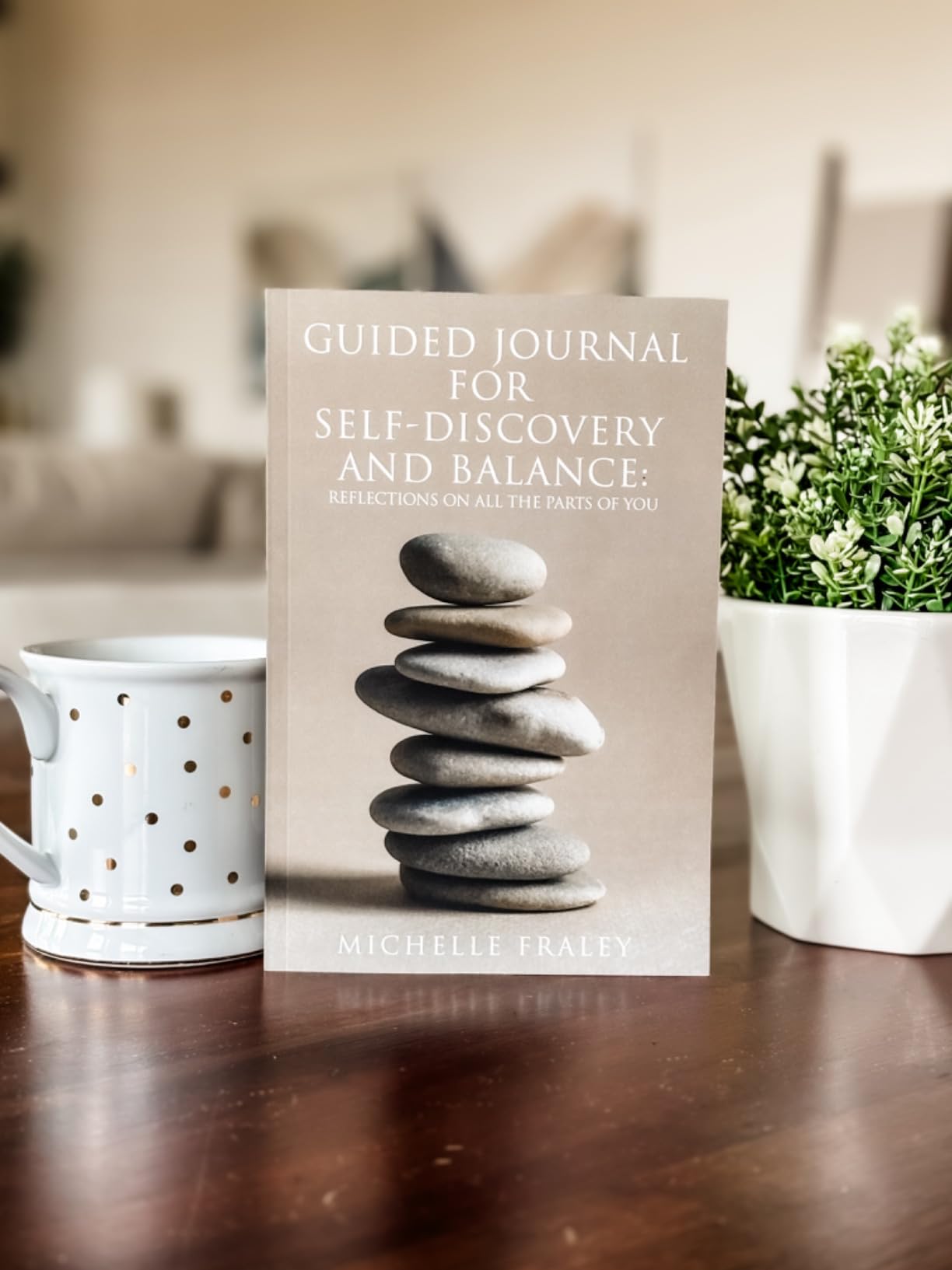
At 179 pages, this is a lighter journal than most on our list. The 6 by 9 inch format is standard paperback size, making it easy to carry anywhere. The independent publishing means the paper quality is standard rather than premium, but it handled ballpoint and gel pens without issues.
The prompts themselves are well-crafted. They avoid the cliché questions you see recycled across most journals and instead offer genuinely thought-provoking angles on self-discovery.
Ideal for First-Time Journalers
If you have never successfully maintained a journaling habit, start here. The flexible structure means there is no wrong way to use it. You can write daily, weekly, or whenever the mood strikes. The prompts are written in accessible language that does not assume any prior journaling experience.
Teens and young adults also respond well to this journal. The holistic approach and non-intimidating tone make it suitable for readers of any age who are beginning their self-discovery journey.
Trade-offs to Know About
The independent publishing shows in the physical quality. The paper is standard weight, not the premium 100gsm you get with the INSIDE THEN OUT journals. If you use fountain pens or heavy ink, you may experience some bleed-through. Stick with ballpoint or fine-tip gel pens for best results.
With only 21 reviews, this journal has a smaller sample size than our other picks. The perfect rating is impressive, but fewer data points mean less certainty about long-term satisfaction across diverse users.
5. Intelligent Change Five Minute Journal – The Original Quick Format
Intelligent Change: The Five Minute Journal – Daily Gratitude Journal for Happiness, Mindfulness, and Reflection – Undated Life Planner
5-Minute Daily Format
Morning & Evening
Linen Cover
6-Month Duration
A5 Size
Pros
- Cultivates gratitude and mindfulness in just 5 minutes per day
- Chic linen fabric cover in multiple colors
- Morning and evening sections for bookend practice
- Undated format to start anytime
- Recyclable sustainably sourced paper
Cons
- Some users reported pages falling apart after extended use
- Same prompts daily may feel repetitive for some
The Five Minute Journal by Intelligent Change is the most famous guided journal on the planet, and with over 17,000 Amazon reviews, it has the data to back up its reputation. I tested this journal expecting to be underwhelmed by its simplicity. Instead, I became a convert.
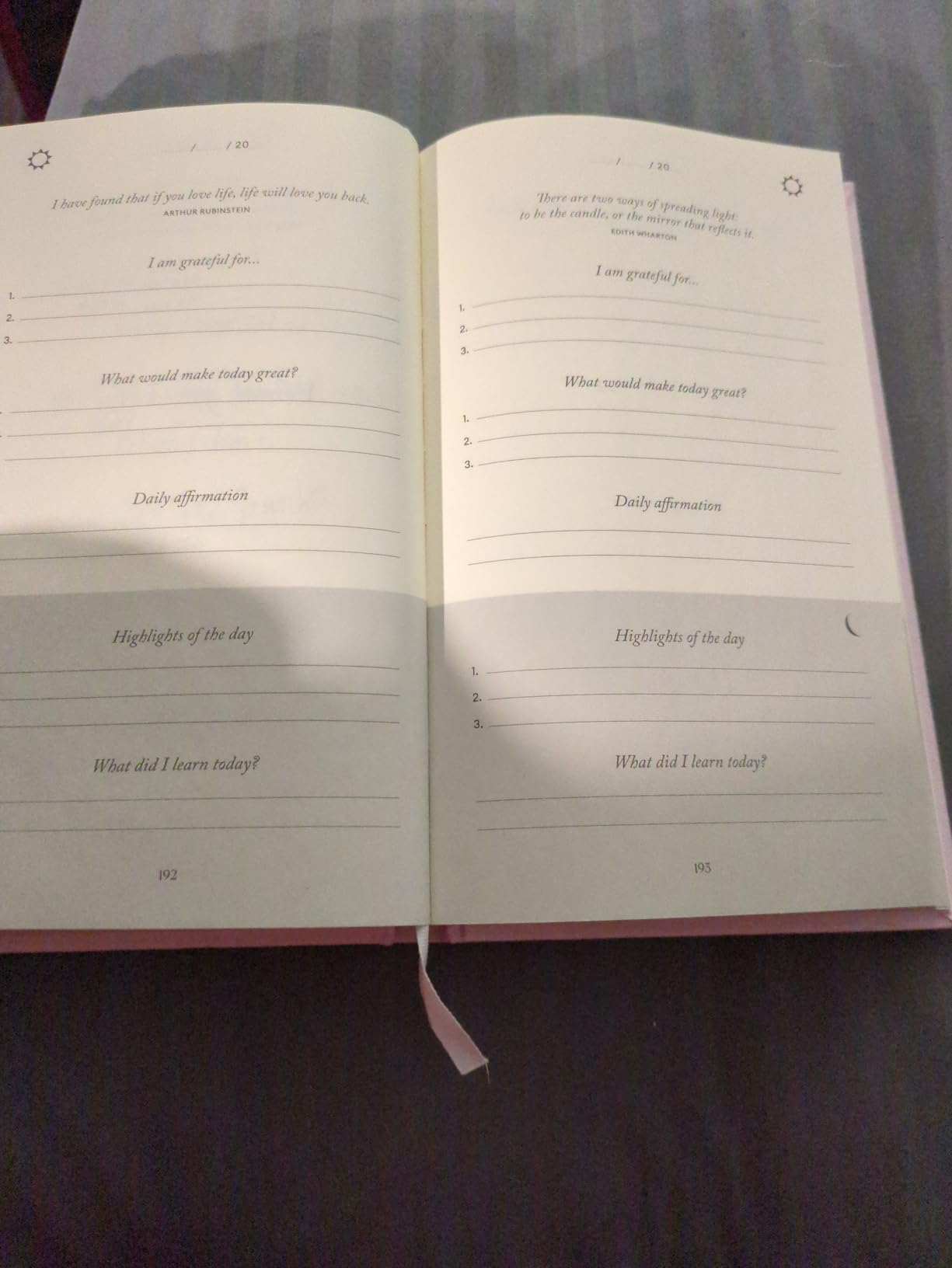
The concept is almost absurdly simple. Each morning, you spend five minutes writing three things you are grateful for, what would make today great, and a daily affirmation. Each evening, you reflect on three amazing things that happened and how you could have made the day better. That is it.
The magic is in the consistency. After two weeks of this practice, I noticed a genuine shift in my baseline mood. I started scanning my environment for things to be grateful for because I knew I would need them for the next morning’s entry. The Five Minute Journal quietly trains your brain to look for the positive.

The linen fabric cover comes in eight colors from Bold Black to Blush Pink to Sunshine Yellow. I tested the Original Linen version, and the tactile quality is excellent. The cover has a textured, fabric feel that makes it pleasant to hold. At A5 size, it fits comfortably on a nightstand.
Inside, the layout is clean and minimal. Each page covers one day with clearly labeled morning and evening sections. The weekly challenges and inspirational quotes scattered throughout add variety to what could otherwise feel repetitive.
Who Benefits Most from This Format
The Five Minute Journal is perfect for busy professionals, parents, and anyone who has tried journaling and failed because it took too long. If your excuse is that you do not have time, this journal removes that barrier completely. Five minutes in the morning and two minutes in the evening is achievable for nearly anyone.
It is also the best guided journal for self-discovery if you want to build a habit before going deeper. Start here for 90 days, and once journaling is part of your routine, graduate to a more in-depth journal like the Let’s Get Real or Better Every Day.
Known Durability Concerns
The most common complaint across the 17,000+ reviews is durability. Some users reported pages separating from the binding after several months of daily use. Intelligent Change offers replacements in many cases, but it is worth noting that the binding is not as robust as the hardcover options from INSIDE THEN OUT.
The repetitive format is also a feature, not a bug, but some users find it limiting. If you need variety in your prompts to stay engaged, the daily repetition of the same five questions may bore you after the first month.
6. Lamare Guided Journal for Women – One Question Per Day Simplicity
Lamare Guided Journal for Women with Prompts – Self Help Journal – Taupe
One Question Per Day
6-Month Journey
Themed Months
Hardcover
180 Pages
Pros
- One question per day format is manageable and consistent
- 6-month guided journey with themed months
- Thoughtful thought-provoking prompts
- High quality paper with no bleeding
- Beautiful calming aesthetic design
Cons
- Some users may find it too minimal for deep journaling
- Includes Oprah Winfrey quote that not all users appreciate
The Lamare Guided Journal strips journaling down to its essence: one question per day for six months. After testing journals with complex multi-section daily layouts, this simplicity felt like a breath of fresh air. There is no pressure to fill a page. You answer the question, and however much or little you write is enough.
The six-month structure is organized into themed months. Each month focuses on a different dimension of self-discovery, creating a natural progression. I found that by month two, I was genuinely curious about what the next month’s theme would be.
The prompts are where this journal shines. They are specific enough to spark genuine reflection without being so narrow that you feel boxed in. One prompt asked me to describe a moment I felt truly proud of myself and what that feeling taught me. Another invited me to identify a belief I held that no longer serves me.
The hardcover binding feels solid and well-constructed. The taupe color I tested has a warm, calming aesthetic that looks beautiful on a desk or nightstand. The paper quality impressed me. No bleeding, no ghosting, and a smooth writing surface that worked well with every pen I tried.
At 180 pages, the journal covers a full 180-day journey. The format is clean and uncluttered, with generous writing space for each daily question.
Best for Consistency Seekers
If your biggest challenge is consistency, this one-question format removes every excuse. There is no morning section, evening section, mood tracker, or habit grid to manage. You open the journal, answer one question, and close it. That simplicity makes it the easiest journal on this list to maintain as a daily habit.
It is also a strong choice for people who find multi-prompt journals overwhelming. If you have ADHD or tend to freeze when faced with too many questions, the single-prompt approach keeps you moving forward.
When Simpity Becomes a Limitation
The one-question format will frustrate deep journalers who want space for extended reflection. Each entry gets one page, and if you are someone who writes pages at a time, that constraint will feel restrictive. You may find yourself wanting additional blank space for free writing.
One minor note: the journal includes an Oprah Winfrey quote that some users found off-putting. It is a small detail but worth knowing if you prefer content free of celebrity associations.
7. 90-Day Guided Mental Health Journal by Hopeful Horizons
90-Day Guided Mental Health Journal for Stress, Anxiety & Mindfulness
90-Day Program
4 Sections
Eco RPET Cover
Mood Tracking
Free Meditation
Pros
- Created by mental health advocate and coach
- Eco-friendly recycled plastic cover
- Full page daily entries with guided prompts
- Weekly mood and emotion tracking
- Free guided meditation via QR code
Cons
- Not spiral despite some images showing spiral
- Section 3 thought dump has limited blank pages
- Some prompts based on Byron Katie work without attribution
The Hopeful Horizons 90-Day Mental Health Journal is purpose-built for anxiety and stress management. Created by a mental health advocate and coach, it takes a structured 90-day approach that mirrors a short-term therapeutic intervention. I found it particularly effective during a high-stress work period when my anxiety was spiking.
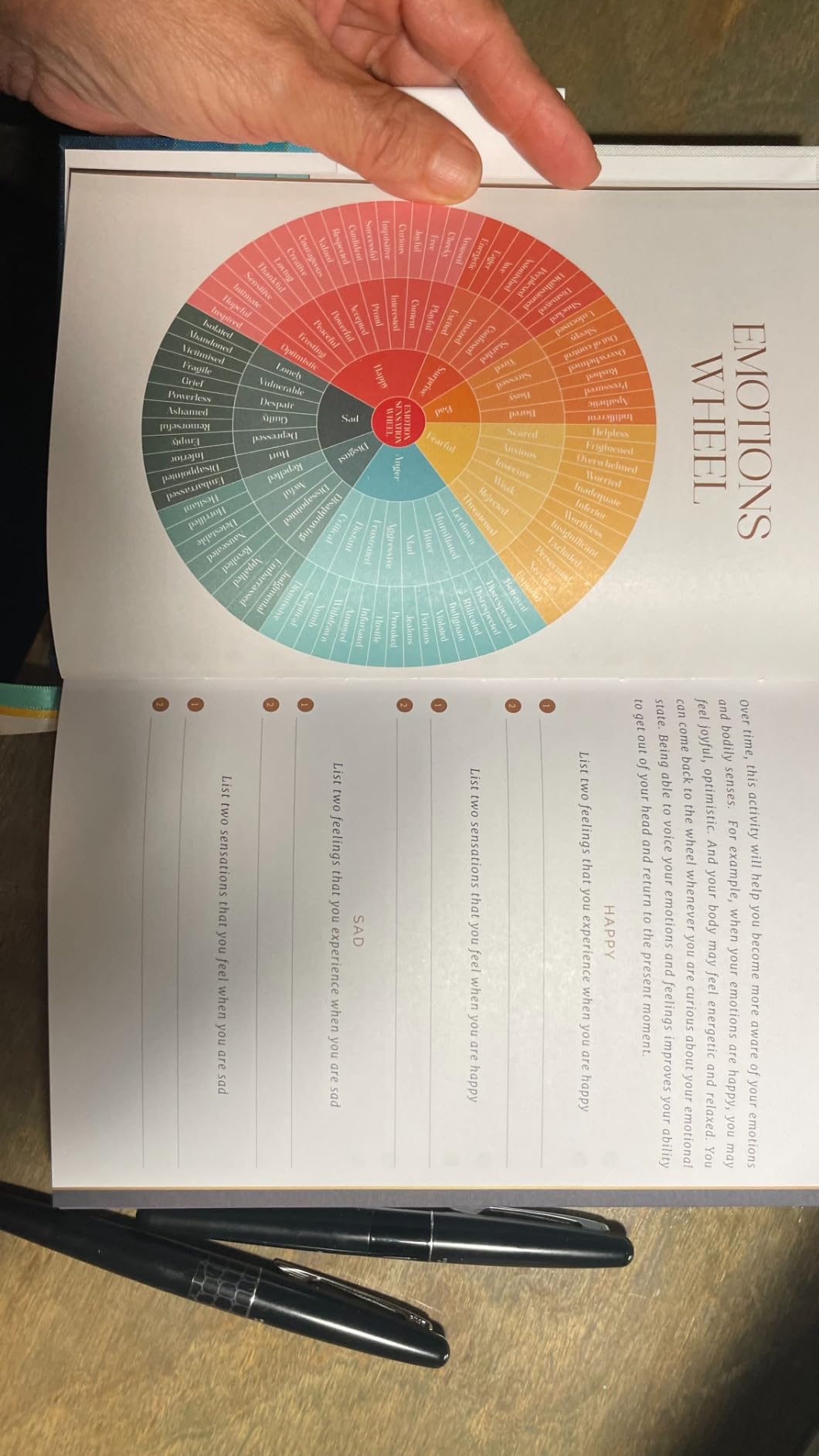
The journal is organized into four distinct sections. Section one helps you identify your “why” for journaling. Section two contains the daily entries with guided prompts. Section three is a thought dump area for free writing when prompts feel too structured. Section four provides mantras and affirmations for ongoing support.
The weekly mood and emotion tracking was a standout feature for me. Being able to look back at a week of mood data helped me identify patterns I would have missed otherwise. I noticed my anxiety spiked every Tuesday, which correlated with a recurring team meeting. That insight alone was worth the price of the journal.
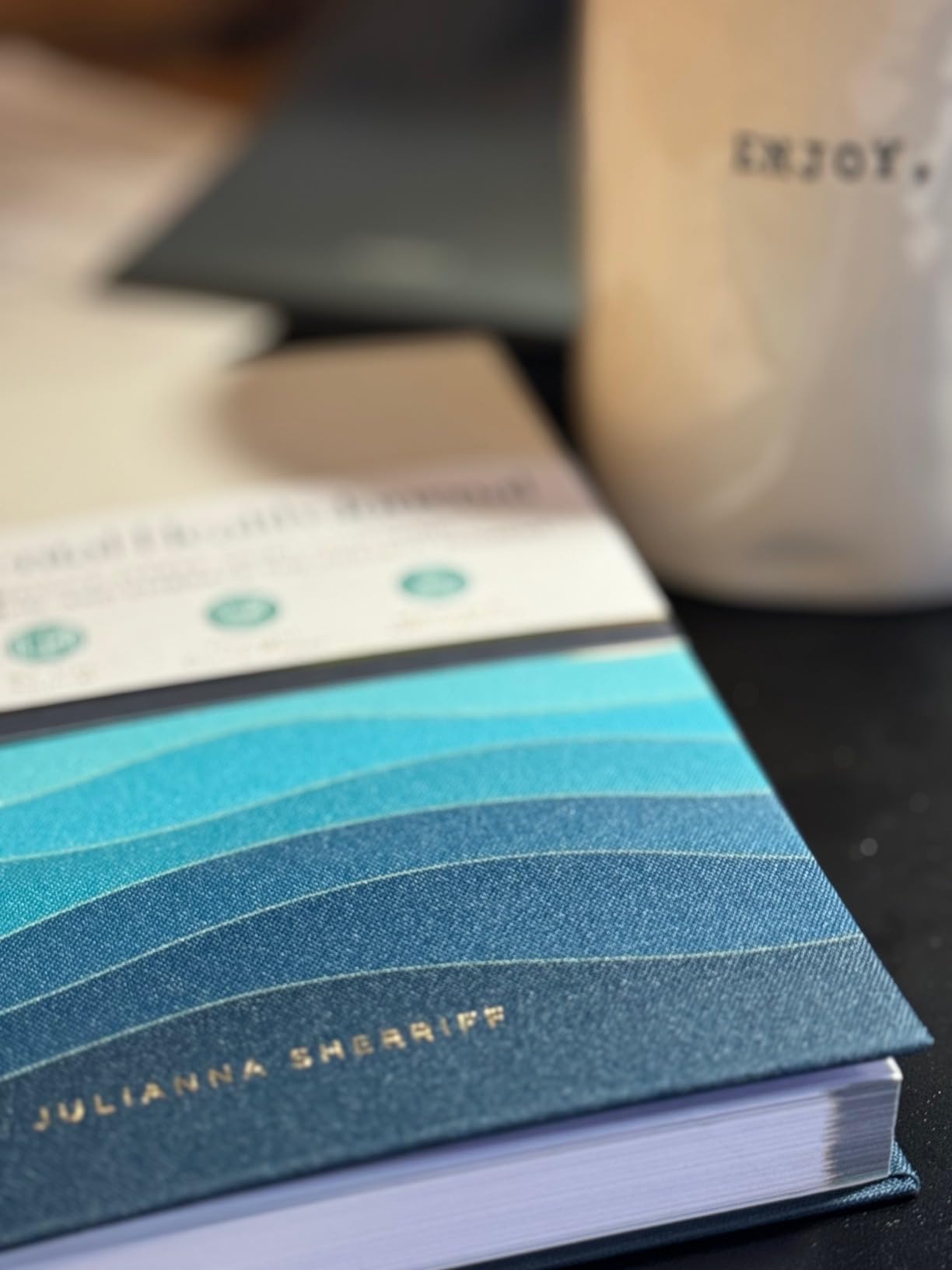
The eco-friendly RPET cover is made from recycled plastic, which gives the journal a unique texture and an environmental conscience. The blue and white color scheme has a calming, clinical feel that matches its therapeutic purpose. The gold-foil title on the cover adds a touch of elegance.
The free guided meditation accessible via QR code is a genuine value-add. I scanned it during a particularly anxious evening and found the meditation genuinely helpful for grounding. It is rare for a physical journal to include digital companion content this well-executed.
Ideal for Anxiety and Stress Management
If anxiety is your primary challenge, this journal is designed specifically for you. The daily prompts focus on stress relief, emotional regulation, and mindfulness rather than broad self-discovery. The mood tracking creates a feedback loop that helps you understand your emotional patterns over time.
The 90-day duration is deliberate. Research suggests it takes roughly that long to establish a new habit, and the structured program walks you through a complete cycle of awareness, practice, and integration.
Watch Out for These Issues
Several users noted that some product images show a spiral binding, but the actual journal is a hardcover. If a spiral binding is important to you for lay-flat writing, know that this journal uses a standard hardcover binding instead.
The thought dump section in part three has limited blank pages. If you are a prolific free writer, you will fill this section quickly and wish for more open space. Some users also noted that certain prompts borrow from Byron Katie’s “The Work” without clear attribution, which may matter if you prefer transparency about therapeutic methodologies.
8. Self-Mastery Journal by Realizations – 13-Week Goal and Gratitude System
Self-Mastery Journal for Men with Prompts – 13 Week Guided Gratitude Journal – 5 Minute Journal – Reflection Manifestation Journals for Mindfulness – Self Care Journal – Goal Journal for Women & Men
13-Week Program
Goal Setting
Linen Hardcover
220 Pages
Ruled & Dotted
Pros
- 13-week structured guided gratitude journal
- Undated format allows flexible pacing
- Linen hardcover for durability
- Simple layout easy to incorporate into daily routine
- Goal setting and productivity focus
Cons
- Some users may prefer more structured daily format
The Self-Mastery Journal by Realizations is designed for people who want self-discovery and personal growth tied directly to action. Over a 13-week program, it combines gratitude practice with goal-setting frameworks that turn insights into concrete steps. This was the journal that most changed my actual behavior during testing.
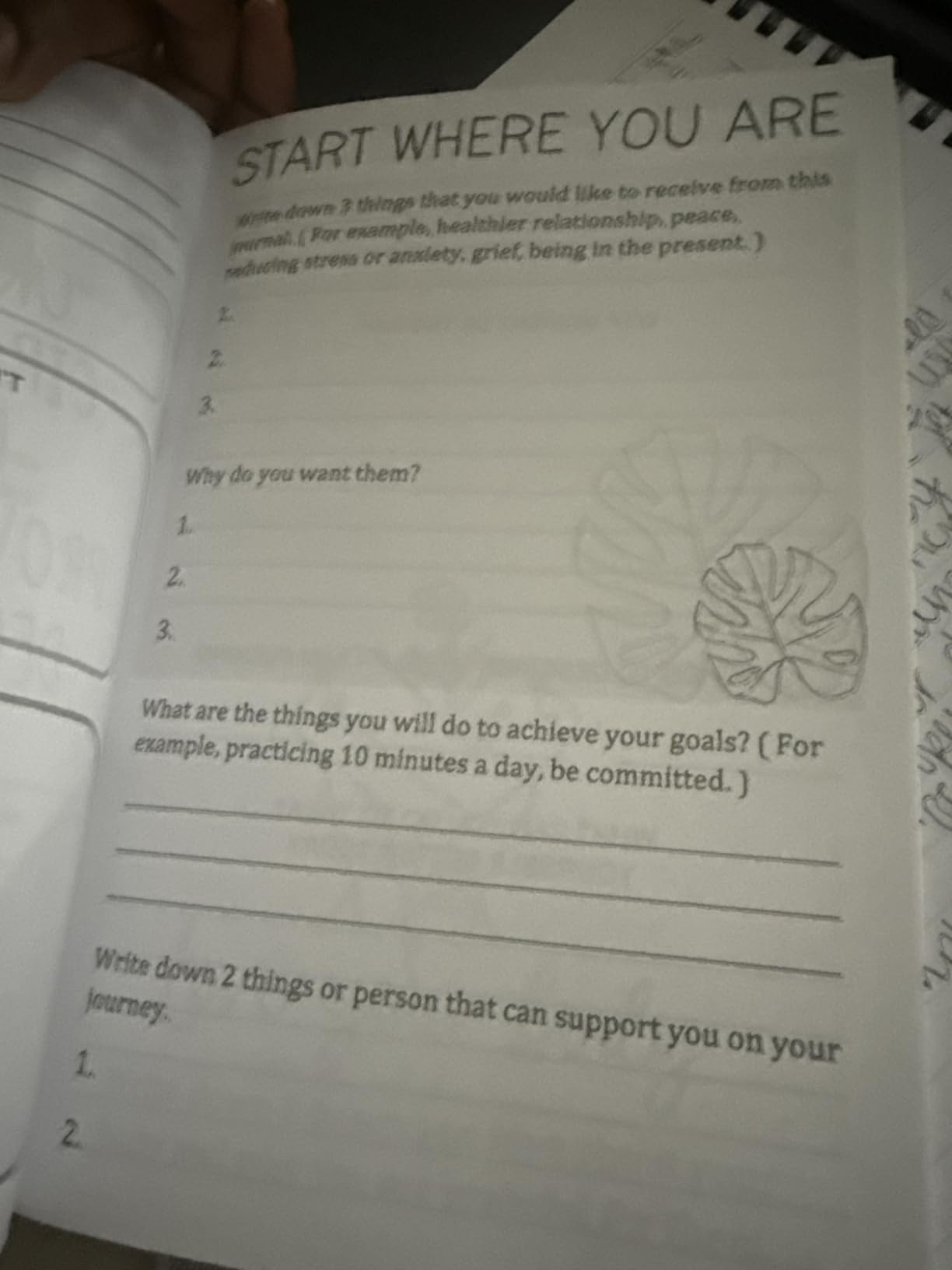
Each week focuses on a different aspect of self-mastery, blending reflective prompts with actionable goal-setting exercises. I found myself not just writing about what I wanted to change but actually building weekly plans to make those changes happen. The journal bridges the gap between reflection and execution.
The undated format means you can start any week of the year. With 220 pages, there is plenty of room for both the guided prompts and your own notes, reflections, and brainstorming.
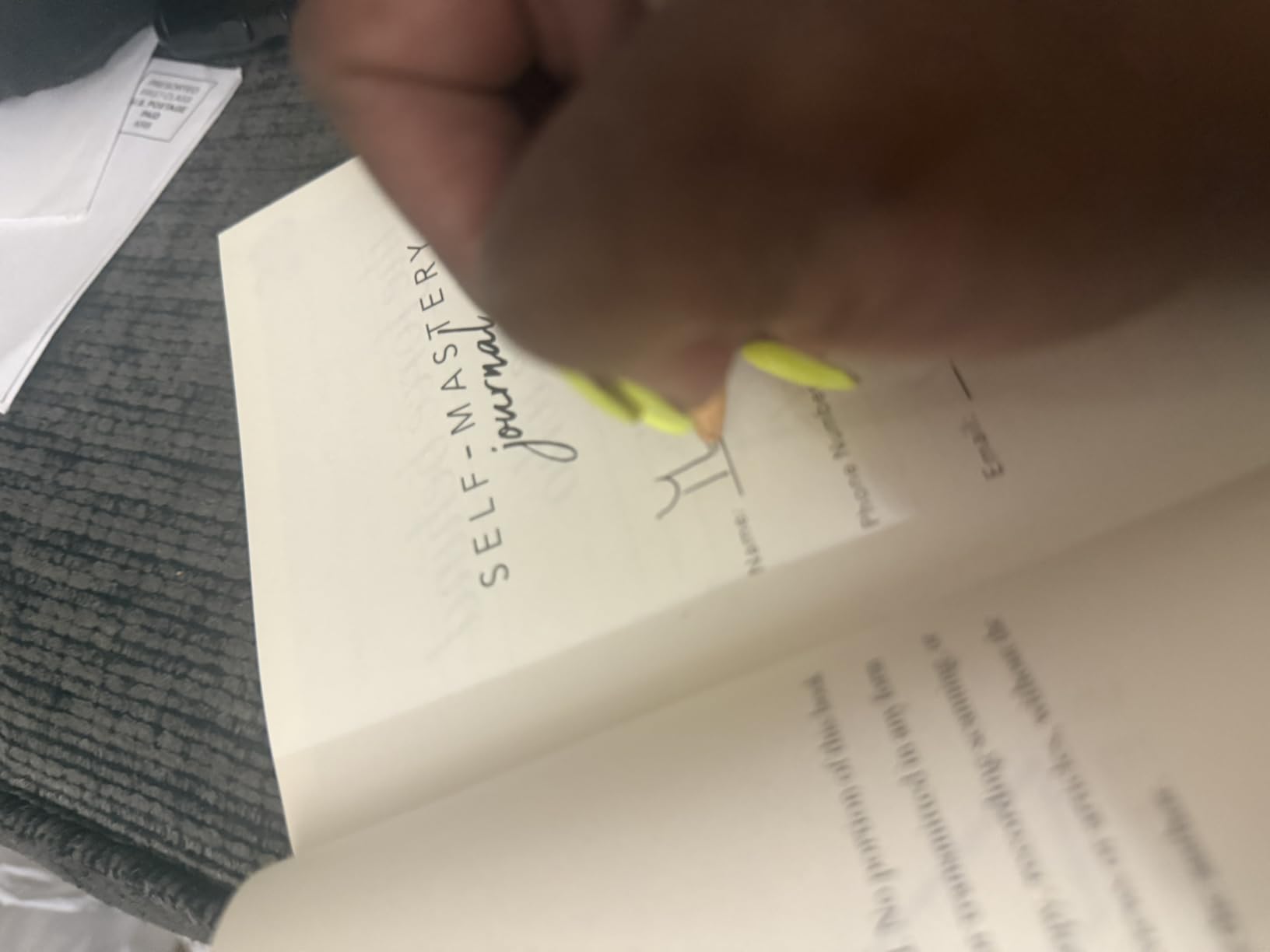
The linen hardcover is one of the most durable on this list. It held up to daily use without any signs of wear during my testing period. The A5 size (8.5 by 5.25 inches) is compact and portable. Available in four colors including black, gray, cream, and ocean blue, it has a professional look that works in any setting.
What sets this journal apart is the mix of ruled and dotted pages. The ruled pages are for structured daily entries, while the dotted pages provide flexibility for mind mapping, sketching, or free-form brainstorming. This dual format makes it one of the most versatile journals on our list.
Perfect for Action-Oriented Self-Discovery
If you are the type of person who gets frustrated by journals that are all reflection and no action, the Self-Mastery Journal is your match. The 13-week program is long enough to build real momentum but short enough to maintain focus. The goal-setting framework helps you translate journaling insights into behavioral change.
It also works well for entrepreneurs, students, and professionals who want to combine personal development with productivity. The gratitude and mindfulness elements keep you grounded while the goal sections keep you moving forward.
Who Might Find It Limiting
The goal-oriented focus means less emphasis on deep emotional exploration. If your primary goal is processing past trauma, exploring relationship patterns, or emotional healing, this journal’s productivity slant may feel superficial. You would be better served by the Let’s Get Real or Hopeful Horizons journals for that type of work.
Some users also noted that the daily format is less structured than other guided journals. If you prefer having specific prompts for morning and evening, the flexible layout here might feel too open-ended.
9. Fuck It Self-Love Journal by Gentle Root Co – Casual and Accessible
Fuck It: A Guided Self-Love and Gratitude Journal for Women to Unfuck Your Life, Exhale the Bullshit, and Love Who You Are (Cute Self Care & Self Help Books)
Self-Love Focus
Gratitude Prompts
110 Pages
Compact Size
Portable
Pros
- Self-love and gratitude focused prompts
- Practical and accessible journaling style
- Compact and portable size
- Affordable price point
- Approachable tone for reluctant journalers
Cons
- Limited print length at 110 pages
The Fuck It Self-Love Journal by Gentle Root Co is the wildcard on this list, and I mean that as a compliment. With its unapologetic title and straightforward approach, this journal speaks directly to people who have been burned by overly earnest self-help culture. It has over 1,700 reviews and an 81 percent five-star rating.
The tone is what makes this journal work. Instead of flowery prompts about finding your inner light, you get practical, no-nonsense questions about self-worth, boundaries, and letting go of things that do not serve you. The prompts feel like advice from a blunt but caring friend.
During testing, I found myself laughing out loud at some of the prompts and genuinely reflecting on others. The journal balances humor with real emotional substance in a way few others manage.

At 110 pages, this is the shortest journal on our list. The 6 by 9 inch paperback format is lightweight and portable, making it easy to toss in a bag or keep in a car. The self-love and gratitude prompts cycle through recurring themes, reinforcing key ideas without becoming repetitive.
The production quality is standard paperback. No premium paper, no leather cover, no ribbon bookmark. But at this price point, that is expected. What you are paying for is the content, and the content delivers.
Best for Reluctant Journalers
If you have tried journaling before and quit because it felt too serious, too structured, or too woo-woo, this journal is your entry point. The casual, irreverent tone removes the intimidation factor. You do not need to be in a spiritual headspace to use it.
It is also an excellent stocking stuffer or gift for friends who roll their eyes at traditional self-help. The title alone makes it a conversation starter, and the content backs up the attitude with genuine substance.
What Holds It Back
At 110 pages, this journal will last most users one to two months of daily use. If you want a long-term journaling companion, you will outgrow it quickly. The paperback binding is also less durable than the hardcover options on this list, so it will show wear faster with daily use.
The tone, while refreshing, may not resonate with everyone. If you prefer a more contemplative or spiritual approach to self-discovery, the profanity and sass might feel jarring rather than welcoming.
10. 5 MINUTES A DAY Mental Health Journal – Budget-Friendly Daily Practice
5 MINUTES A DAY Mental Health Journal for Women & Men: A Guided Mindfulness & Goal-Setting Workbook to Reduce Stress, Practice Daily Gratitude & Build Self-Care Habits | Linen Hardcover, Beige
13-Week Program
5 Min Daily
Mood Tracking
Linen Hardcover
A5 Size
Pros
- Designed for busy professionals and anxious minds
- 13-week structured guide with daily mood tracking
- 3 achievable daily goals framework
- Monthly goal-setting and review
- Includes pen loop elastic strap and envelope pocket
- Linen hardcover with luxurious feel
Cons
- Limited review count at 19 reviews
- Unknown binding type may not be as durable
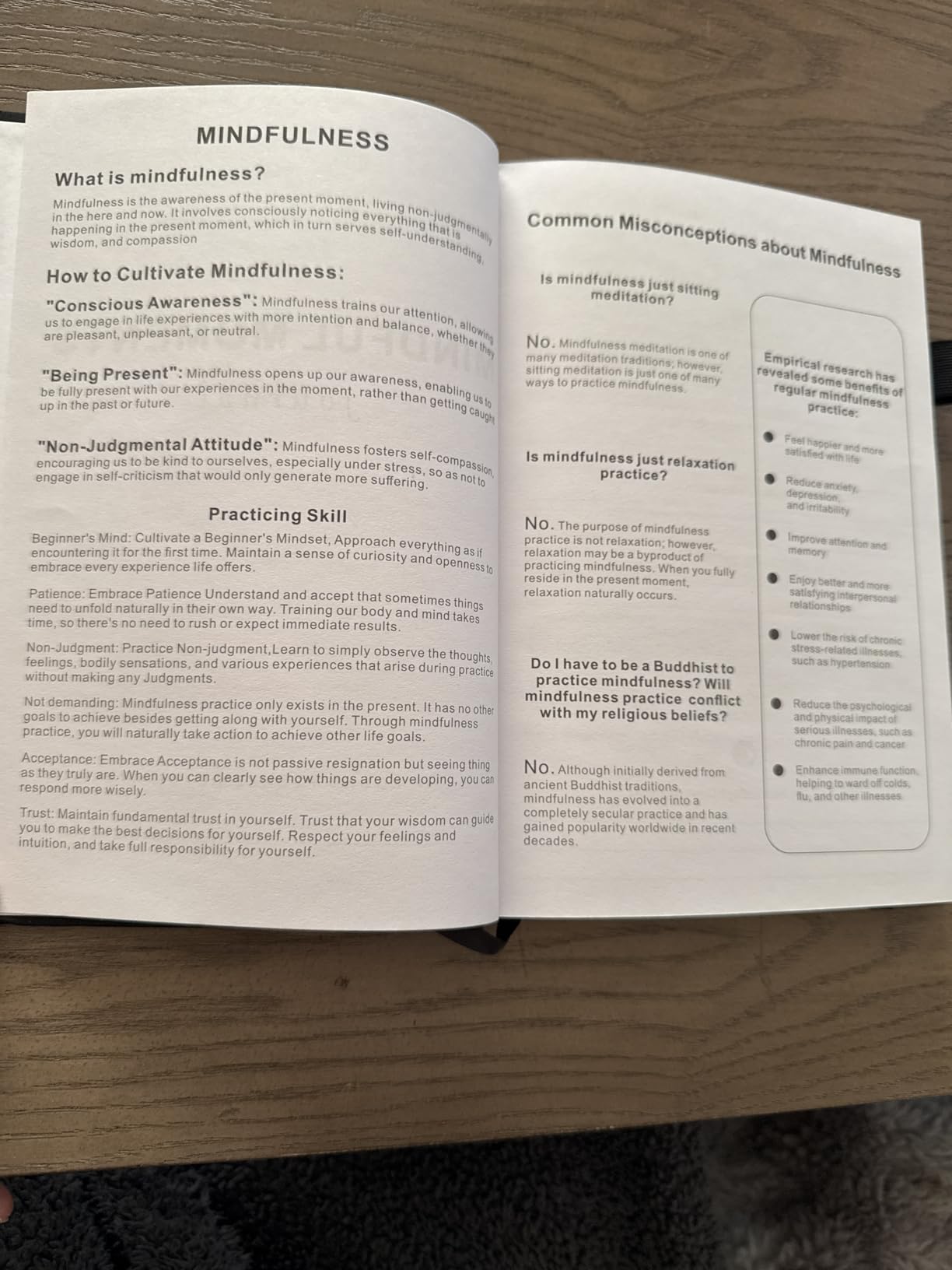
The 5 MINUTES A DAY Mental Health Journal proves that you do not need to spend a fortune to get a quality guided journal. At under $10, this journal offers features that compete with options three times its price. I was genuinely surprised by the build quality and thoughtful design given the price point.
The 13-week program is structured around five-minute daily entries. Each day includes mood tracking, weather logging (which sounds odd but actually helps identify environmental mood triggers), three small achievable goals, and guided mindfulness prompts. The monthly goal-setting and review framework adds a bigger-picture perspective.
I tested this journal during a particularly busy stretch and the five-minute format was exactly what I needed. Some days I only had time for the mood tracker and three goals. Other days I spent longer on the reflection prompts. The format flexes to fit your schedule.
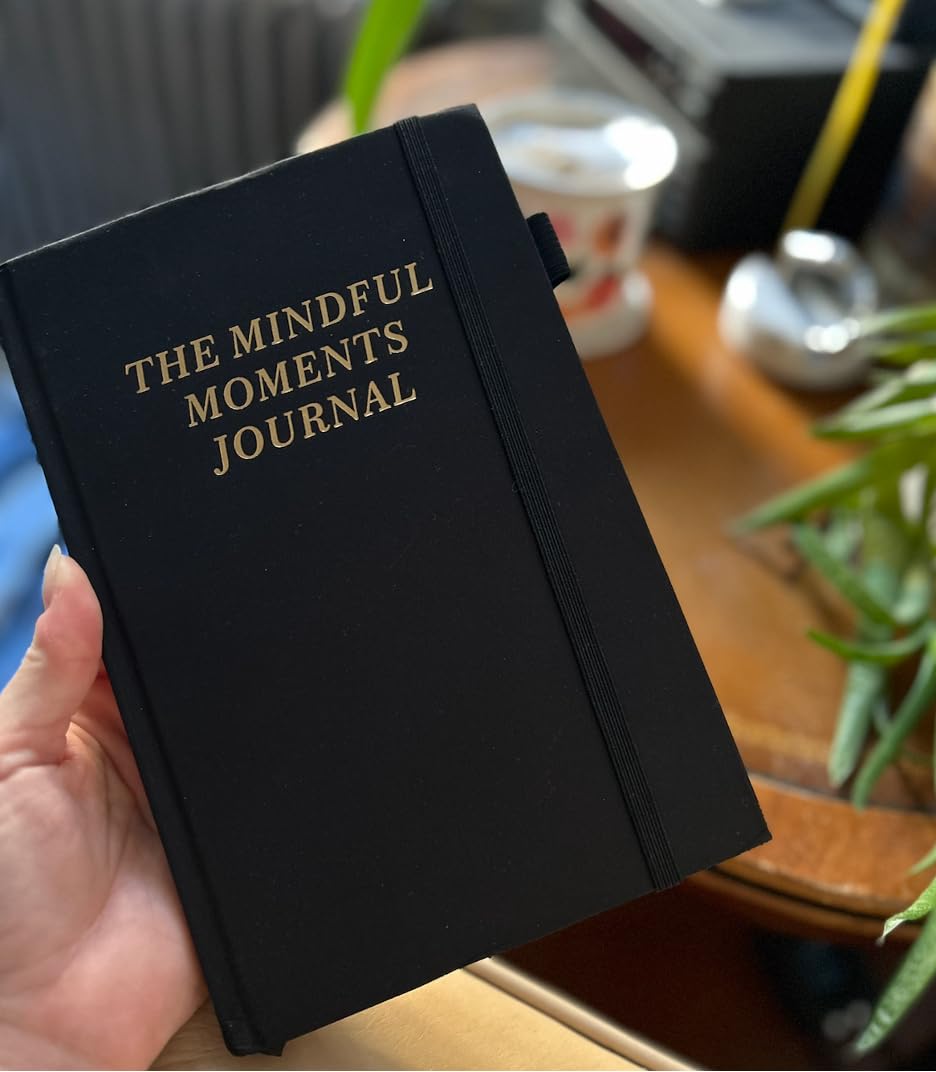
The linen hardcover in khaki and beige has a warm, premium feel that belies the low price. The journal includes a pen loop, elastic strap, and envelope pocket, features usually reserved for journals in the $30-plus range. At A5 size, it is compact and portable.
The mood tracking feature deserves special mention. Combined with the weather logging, it creates a simple but effective data set for identifying patterns. After a few weeks, I could see correlations between weather, sleep, and mood that helped me plan better for low-energy days.
Best for Budget-Conscious Beginners
If you want to try guided journaling without a financial commitment, this is your best option. The features rival journals costing three times as much, and the five-minute format is perfect for testing whether journaling works for your lifestyle before investing in a longer-term option.
It is also ideal for students, young professionals, and anyone on a tight budget who still wants a structured mental health practice. The daily goal-setting framework adds productivity value beyond emotional wellness.
Caveats Before You Buy
With only 19 reviews, this journal lacks the track record of more established options. While the 84 percent five-star rating is impressive, the small sample size means less certainty about widespread satisfaction. The unknown binding type is another concern, as some users reported uncertainty about long-term durability.
The 13-week duration is shorter than the 90-day or year-long programs other journals offer. If you want a longer commitment, you will need to purchase again or transition to a different journal after three months.
How to Choose the Best Guided Journal for Self-Discovery
Choosing the right guided journal comes down to matching the journal’s structure and tone to your personality, goals, and lifestyle. After testing 10 journals and reading hundreds of user reviews, here are the factors that matter most.
Prompt Style and Depth
Guided journals range from simple gratitude lists to deep psychological explorations. If you are new to journaling or dealing with mild stress, a simpler format like the Five Minute Journal or Lamare one-question-per-day approach will serve you well. If you want to explore patterns, process emotions, or work through past experiences, look for journals with therapy-style prompts like the Let’s Get Real or INSIDE THEN OUT Dig Deeper.
Read a few sample prompts before buying. Most Amazon listings include photos of interior pages, and forum users on r/Journaling regularly share flip-throughs. The right prompts should feel challenging but not paralyzing.
Time Commitment and Duration
Be honest about how much time you can dedicate daily. Five-minute journals work for nearly anyone. Deep-dive journals requiring 20 to 30 minutes per entry demand a bigger commitment but yield deeper insights. Choose a duration that fits your actual schedule, not the schedule you wish you had.
Also consider the total program length. A 13-week journal creates a clear endpoint and sense of accomplishment. A 365-day journal is a serious commitment that some find motivating and others find burdensome.
Paper Quality and Binding
If you journal daily, paper quality matters more than you might expect. Look for 100gsm or higher paper weight to prevent bleed-through from pens and markers. Lay-flat binding is essential for comfortable writing across both pages. Premium features like ribbon bookmarks, elastic closures, and pen loops add daily convenience.
The journals from INSIDE THEN OUT and Let’s Get Real offer the best paper quality on this list. Budget options like the Fuck It journal and Michelle Fraley’s journal use standard paper that works fine with ballpoint pens but may not handle heavy ink.
Undated vs Pre-Dated Formats
Undated journals let you start any day and skip days without guilt. Pre-dated journals create built-in accountability but can trigger guilt if you fall behind. If your schedule is unpredictable, go undated. If you thrive on structure and routine, a pre-dated format like the Better Every Day Journal may work better.
Forum users on r/Journaling consistently mentioned that the transition from guided to blank journaling happens naturally once you build the habit. Starting with structure and graduating to freedom is a common and effective path.
Theme Alignment With Your Goals
Match the journal’s themes to your current life situation. Dealing with anxiety? The Hopeful Horizons 90-Day Journal is purpose-built for that. Want to combine self-reflection with goal achievement? The Self-Mastery Journal bridges both worlds. Looking for casual, low-pressure self-love practice? The Fuck It journal keeps it light.
Many users on mental health forums emphasized that finding a journal that addresses your specific needs, rather than a generic one-size-fits-all approach, dramatically increases the likelihood of sticking with it.
Budget Considerations
Guided journals range from under $10 to over $40. Higher price generally means better materials, more prompts, and longer duration, but not always better results. The 5 MINUTES A DAY journal at under $10 outperforms many journals costing three times as much. Start affordable, find what works, then invest in a premium option once you know journaling is a practice you will maintain.
FAQs
What is the difference between a diary and a guided journal?
A diary is a free-form record of daily events where you decide what to write about each time. A guided journal provides structured prompts and exercises that direct your writing toward specific topics like gratitude, self-reflection, or goal-setting. Diaries are open-ended, while guided journals offer a framework that makes it easier to start writing and explore specific areas of self-discovery.
How do I choose the right guided journal for self-discovery?
Consider four factors: prompt depth, time commitment, format, and theme. Beginners should start with simple five-minute journals. People seeking emotional processing should choose therapy-style prompt journals. If your schedule is unpredictable, pick an undated format. Match the journal themes to your current goals, whether that is anxiety relief, gratitude, or personal growth.
What are the mental health benefits of guided journaling?
Research shows guided journaling can reduce stress and anxiety, improve emotional regulation, increase self-awareness, enhance gratitude and positive thinking, and support better sleep. The structured prompts help process difficult emotions, identify behavioral patterns, and create consistency in self-reflection. Many therapists recommend guided journaling as a complement to professional therapy.
Can guided journals replace therapy?
No, guided journals cannot replace professional therapy. They are an excellent complement to therapy and can be effective for general self-reflection and stress management. However, if you are dealing with clinical depression, trauma, or serious mental health conditions, a licensed therapist provides expertise, diagnosis, and treatment that a journal cannot offer. Think of guided journals as a daily practice that supports, not replaces, professional care.
How long should I stick with one guided journal?
Most guided journals are designed for specific durations ranging from 13 weeks to 365 days. Complete the full program before switching. Once you finish, you can either repeat the journal with fresh perspectives, graduate to a deeper journal, or transition to blank journaling. If a journal feels repetitive or stops producing insights after consistent use for several weeks, it may be time to try a different approach.
Final Thoughts on Guided Journals for Self-Discovery
The best guided journals for self-discovery meet you where you are and walk with you toward deeper self-awareness. Our Editor’s Choice, the INSIDE THEN OUT Dig Deeper Journal, offers the best balance of prompt depth, physical quality, and flexible pacing. The Five Minute Journal remains the most proven option with 17,000-plus reviews backing its simple but effective format. And the 5 MINUTES A DAY journal proves you can start a meaningful practice for under $10.
Whatever you choose, the most important step is simply beginning. Pick a journal that fits your life, commit to showing up for five minutes a day, and let the prompts guide you toward the insights waiting on the other side. Your 2026 self-discovery journey starts with one entry.