
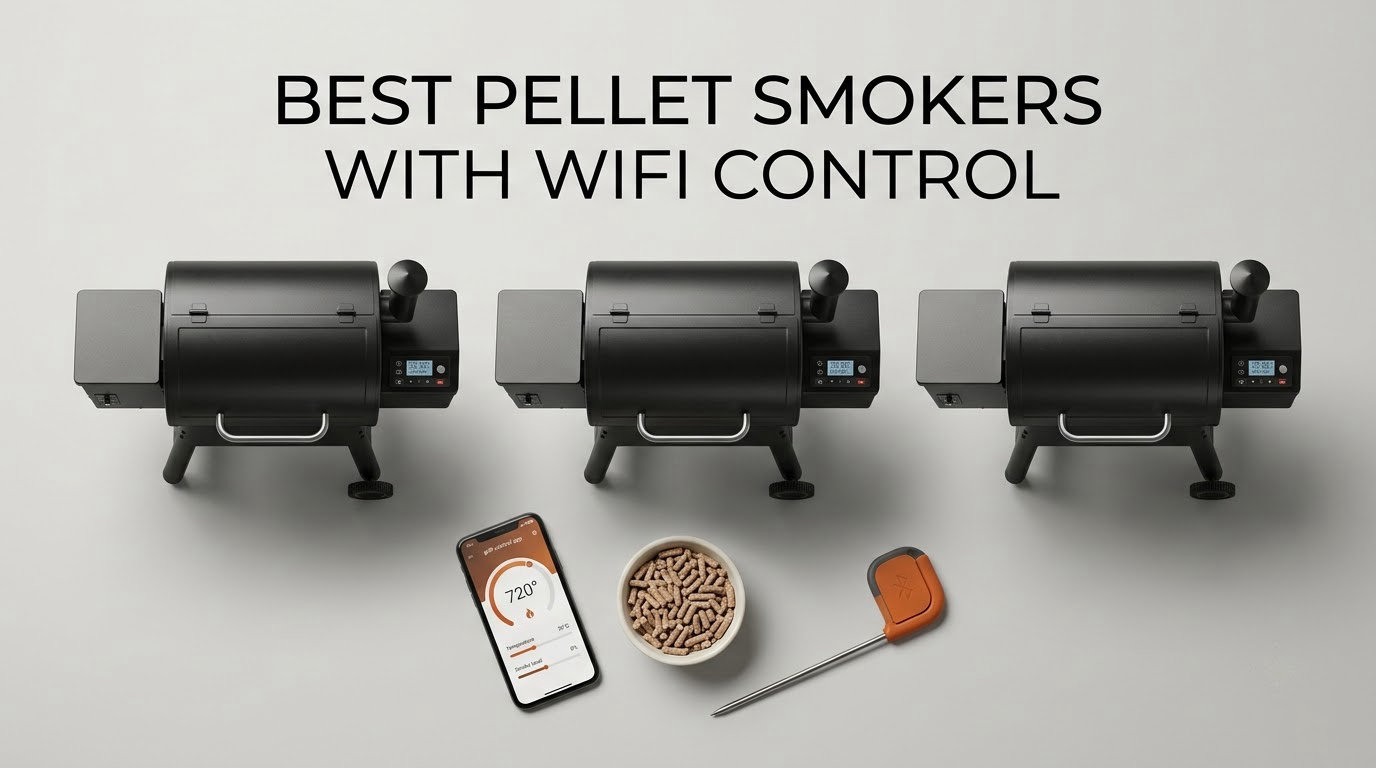
Most pellet grills are set-and-forget machines. The best pellet smokers with WiFi control add one thing: you can walk into the house, set a target temperature, and get a phone alert when your probes hit pull temp instead of checking a dial every 30 minutes.
That sounds like a small upgrade until you run a 10-hour brisket in cold weather. Remote start, remote temperature changes and probe alerts turn a grill that needs supervision into one that needs a glance, which is the whole reason we built this roundup around connectivity rather than raw BTU output.
Here is the short version. The Traeger Ironwood 885 is our top pick because its WiFIRE app is the most established, the pellet sensor tells you how much fuel is left, and the 885 sq. in. two-tier grate fits a real cookout for a group. The Brisk It Zelos-450 is the budget pick for anyone who wants app control without paying a connectivity premium. The Green Mountain Grills Trek Prime 20 takes the same app into a 63-pound body you can load in a car. All three ship with dual connectivity options and free apps, and the whole roundup was last updated for 2026.
Two rules before we get into the list. Every brand below runs a closed app tied to its own hardware, so you cannot move a controller or an account between brands. And almost all of them want a 2.4GHz network, which is the single most common reason new owners report that their grill will not connect.
Table of Contents
Top 3 Picks: WiFi Pellet Smokers in 2026

Traeger Ironwood 885
- WiFIRE app control
- 885 sq. in. two-tier grate
- Super Smoke Mode
- 4 probe capable

Brisk It Zelos-450
- App control with AI assistant
- 450 sq. in. cook space
- 12 lb hopper
- 180-500F PID

GMG Trek Prime 20
- App-enabled WiFi controller
- 150-550F in 5 degree steps
- 63 lb body
- 12V or 120V power
Best WiFi Pellet Smokers at a Glance in 2026
Every grill in this roundup has a smartphone app and a PID controller. What separates them is cook space, how much the steel holds temperature, how many probes the controller accepts, and how fussy the pairing process is. The table below is the fast read; the deep dives that follow explain why each one earned its place.
| Product | Specifications | Action |
|---|---|---|
| Traeger Ironwood 885 |
|
Check Latest Price |
| GMG Trek Prime 20 |
|
Check Latest Price |
 ASMOKE Guga’s Pick ASMOKE Guga’s Pick |
|
Check Latest Price |
| Brisk It Zelos-450 |
|
Check Latest Price |
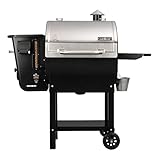 Camp Chef 24 in. Woodwind Camp Chef 24 in. Woodwind |
|
Check Latest Price |
 Pit Boss 850 Navigator Pit Boss 850 Navigator |
|
Check Latest Price |
 recteq Flagship 1600 recteq Flagship 1600 |
|
Check Latest Price |
 recteq DualFire 1200 recteq DualFire 1200 |
|
Check Latest Price |
How the Pellet Grill Apps Compare in 2026
No two apps in this category do the same job well, and the differences are bigger than the brand logos suggest. The first question is what the app actually does. On most of these grills it relays a target temperature, starts and stops the cook, and reports probe readings. On a Traeger it also reports how many pellets are left in the hopper, which is the one fuel-level feature in this roundup and the reason WiFIRE feels like a tool rather than a remote control.
The second question is the connection itself. The Camp Chef Woodwind and the Pit Boss 850 Navigator both run WiFi and Bluetooth, and that pairing is genuinely useful as a fallback: when the network drops mid-cook, Bluetooth can still carry commands inside Bluetooth range. r/pelletgrills owners make the same point about Pit Boss units, and it is the best mitigation for the reliability complaints we heard across these eight grills.
The third question is signal strength. The recteq controllers are described by owners as holding a connection at backyard range better than 2.4GHz-only competitors, though recteq owners also report that the app needs location services enabled and a 2.4GHz network. The recurring theme on r/pelletgrills is distance and walls rather than hardware: grills parked 40 to 60 feet from the router, or behind a fence line, are where pairing fails.
One warning belongs here rather than buried in an FAQ. These are closed ecosystems. A WiFIRE account drives Traeger hardware, RECQ drives recteq hardware, Camp Chef Connect drives Camp Chef, and none will adopt or transfer a controller from another brand. That also means a brand can retire an app or a company can exit the category and leave you with a very good grill and no phone control.
If you enjoy comparing app ecosystems across other categories, we did the same kind of hands-on work on smart air purifiers with app control and smart diffusers with app control, and the same lock-in logic applies to all of them.
1. Traeger Ironwood 885 – Best Overall WiFi Pellet Smoker
Traeger Ironwood 885 Wood Pellet Grill & Smoker, 885 Sq In, WiFi
885 sq. in. two-tier
WiFIRE app control
165-500F range
4 probe capable
3 yr warranty
Pros
- Pellet level sensor inside the hopper
- Deepest recipe library of any app here
- Super Smoke Mode adds real wood flavor
- Temperature typically holds within a few degrees
- Easy assembly and simple cleaning
Cons
- WiFi can fail to pair on dual-band mesh networks
- Only one wired probe in the box
- No handle light for night cooking
I spent most of a cook season on the Ironwood 885 and it is the one I would put in front of a beginner. Assembly was genuinely simple, the kind of job where the included tools and hardware mean you are not hunting for a wrench halfway through a Saturday.
Temperature stability is the part that surprised me. Owners repeatedly report the PID holding the set temperature within a few degrees, and that is what makes remote monitoring useful. If the controller drifts, an alert tells you nothing, because the number feeding the app is wrong in the first place.
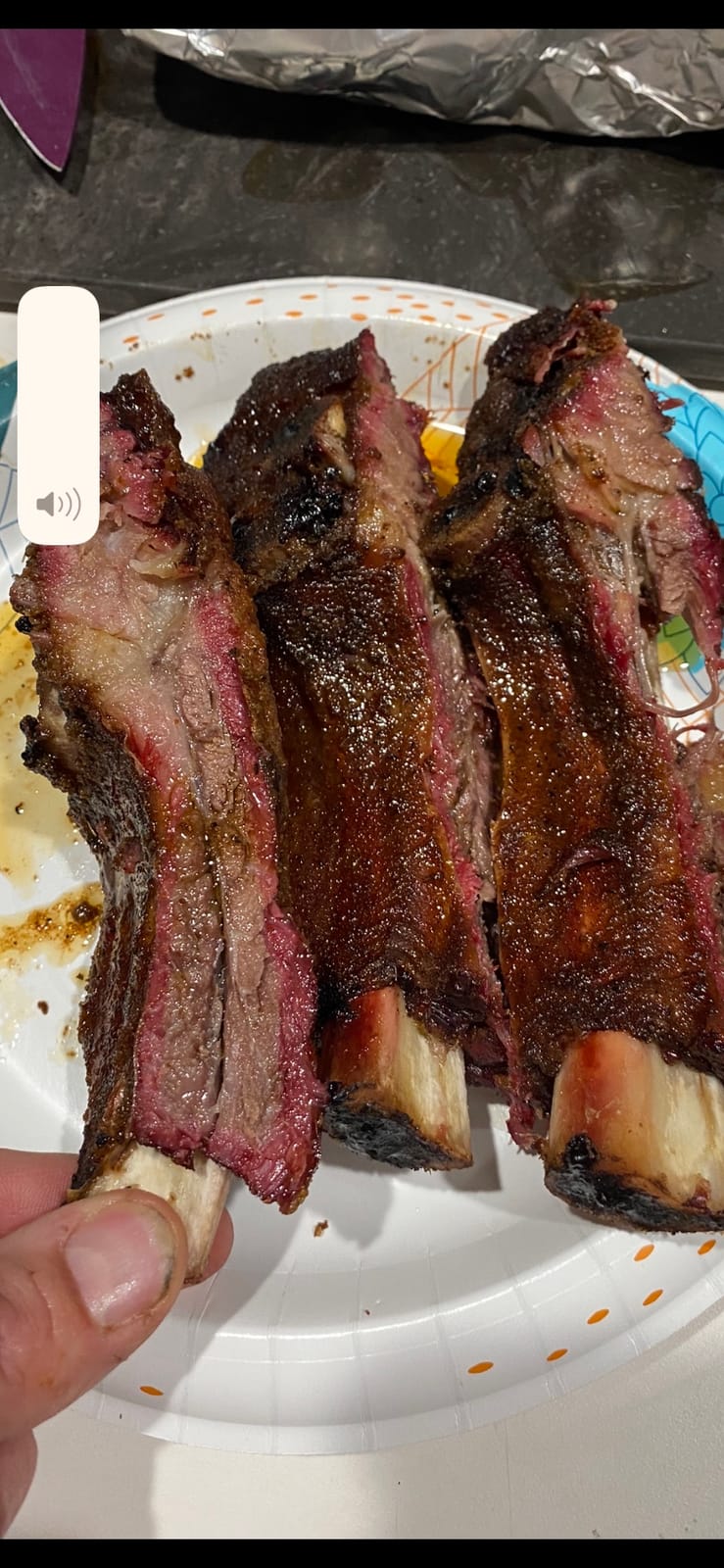
Cook space is the quiet advantage here. The 885 sq. in. two-tier surface fits up to 10 chickens, 7 rib racks or 9 pork butts, which means a holiday cookoff does not require two grills. Super Smoke Mode also does something most pellet grills cannot: it throttles the auger and convection to stretch out the smoke phase at the start of a cook, which is when flavor is decided.
The WiFIRE app is the deepest in the category. Recipe library, cook profiles, timers and probe alerts all work as you would expect, and the pellet sensor reports fuel remaining so you can see a long cook coming before the auger runs dry.
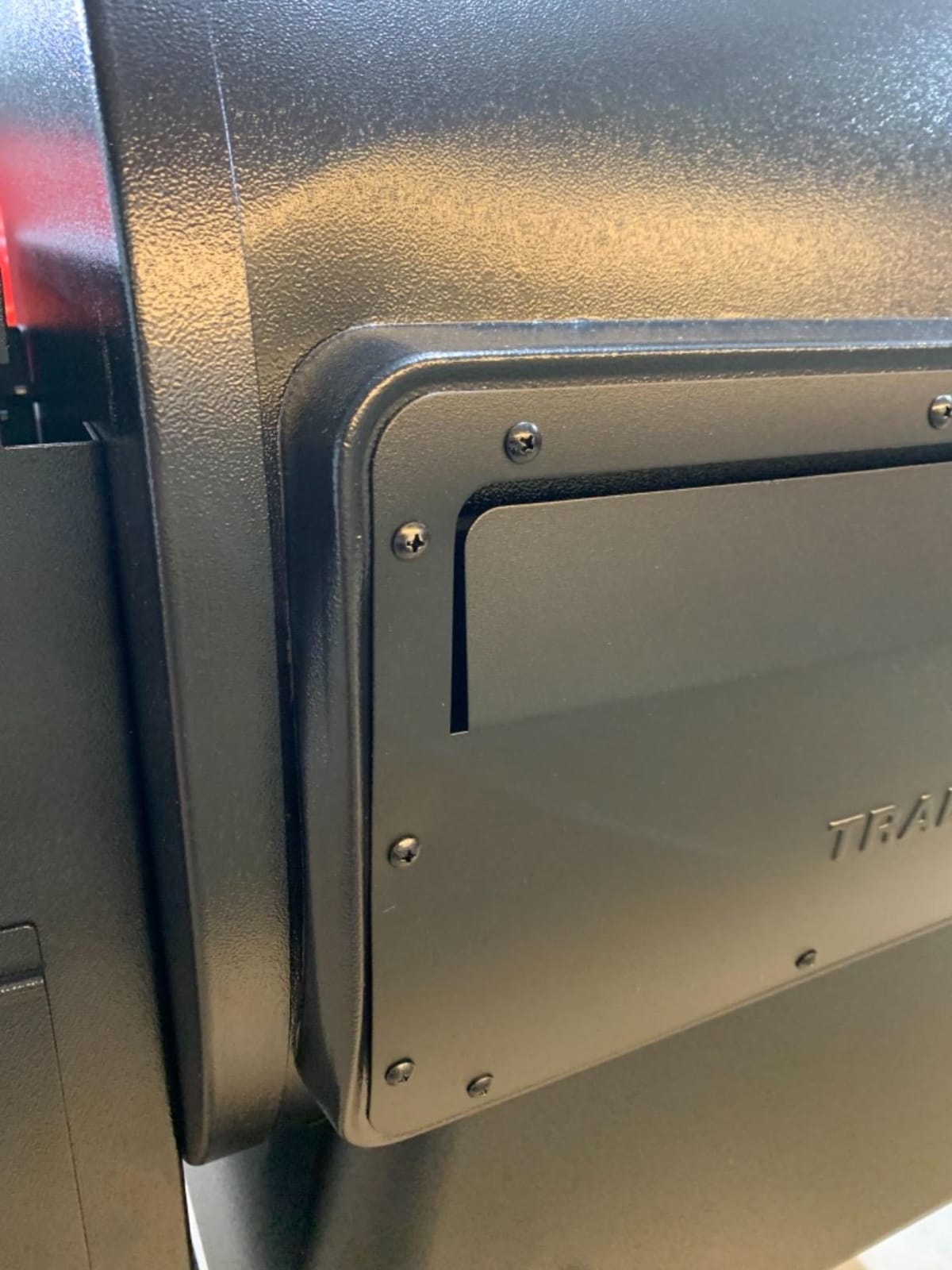
What you should know before you buy the Ironwood 885
First, mesh networks. The most common negative theme in the reviews is WiFi that will not connect on a dual-band mesh setup, which leaves the app unusable until the grill is moved or the router is reconfigured.
Second, accessories. One wired meat probe is included, and most owners add a multi-probe accessory shortly after. The controller is 4 probe capable, so the capacity is there. Drip pan liners and a handle light are also common first-week purchases.
Who the Ironwood 885 is right for
Choose this grill if you cook for a group, if you want the most complete app experience, and if pellet-level visibility matters to you. It is also the safest pick for a first pellet grill, because the learning curve is mostly about the app rather than about fire management. Skip it if your grill sits far from your router and you are not willing to run an extender.
2. Green Mountain Grills Trek Prime 20 – Best Portable WiFi Pellet Smoker
Green Mountain Grills Trek Prime 20 Portable WiFi Pellet Grill
63 lb body
17.25 x 12.5 in. grate
150-550F in 5F steps
12V or 120V
3 yr warranty
Pros
- Genuinely carryable at 63 pounds
- Runs on 12V DC or 120V AC
- Chimney rotates 90 degrees or removes
- About 95 percent preassembled
- Sturdier legs than the older Trek
Cons
- Grate area is tight for more than one or two butts
- No side shelf and the cart costs extra
- Lighter smoke output than a full-size cooker
The Trek Prime 20 is the pick for anyone whose grill lives in a truck bed. At 63 pounds with a chimney that rotates or comes off entirely, it is one of the few portable pellet grills where WiFi control is not an afterthought bolted onto a big cabinet.
Owners on r/pelletgrills repeatedly single out the Green Mountain Grills app as the most developed of the portable options, and the feature they call out most often is setting up profiles for different cooks. For a small grill that moves between a campsite and a patio, repeatable profiles matter more than a big recipe library.
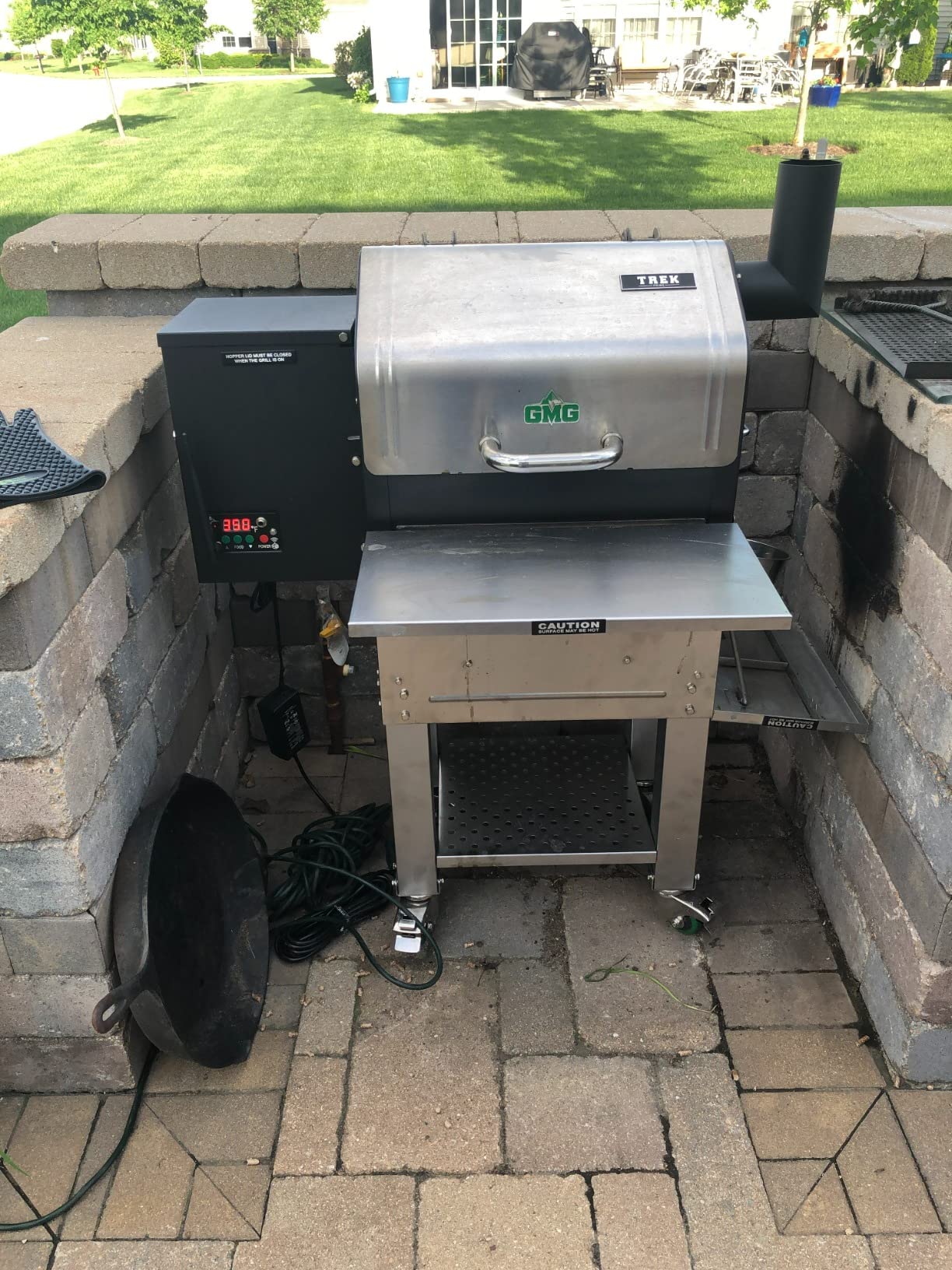
The temperature range is the other quiet strength. 150 to 550F in 5-degree increments means you can run a low-and-slow smoke and then sear on the same cook, which portable grills with narrower ranges cannot do. Buyers rate it well for exactly the small-space, tailgating and RV use case it was built for.
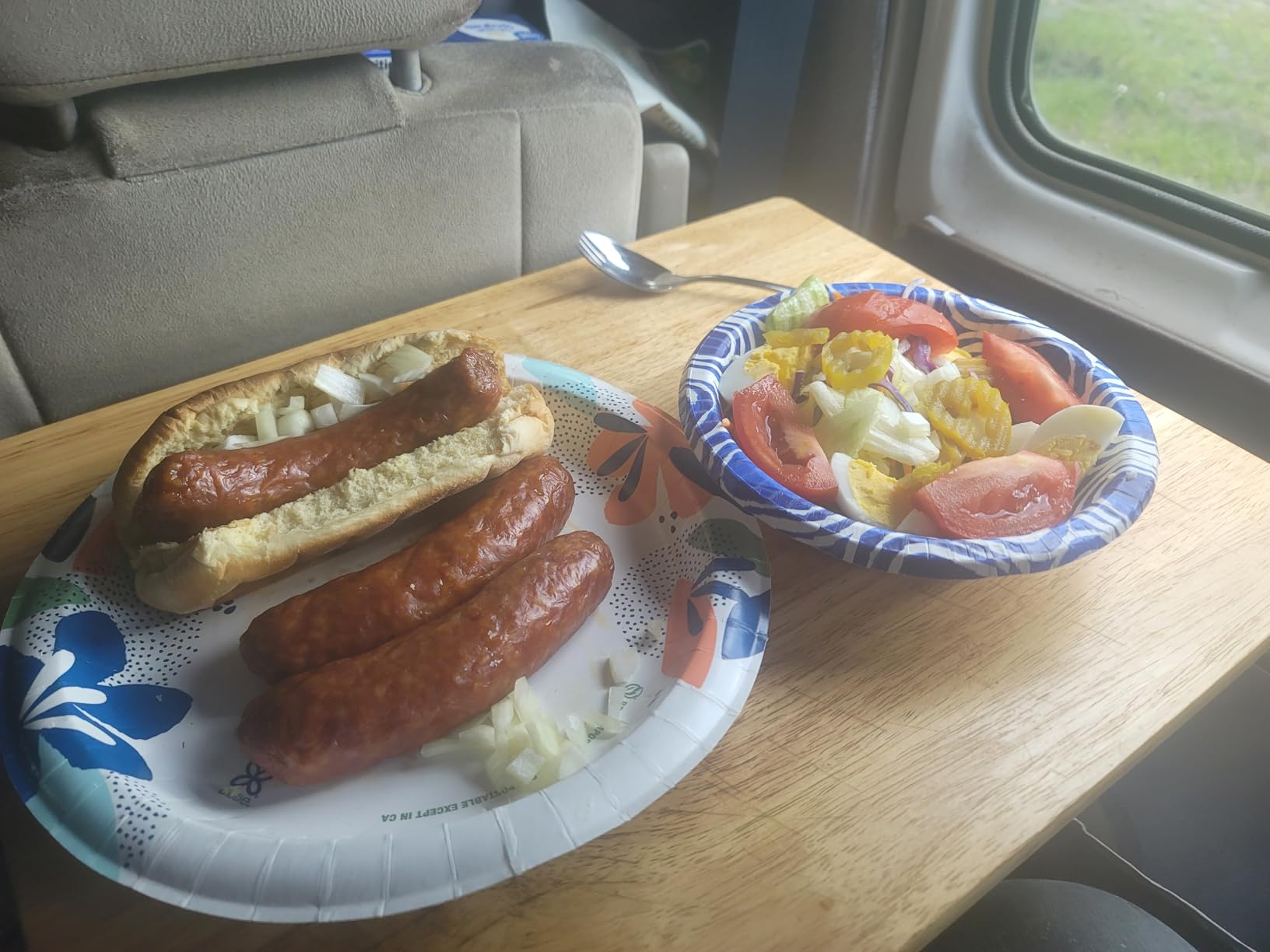
It arrives about 95% preassembled with only a few pieces left to attach, so you can be cooking the same afternoon it lands. Power flexibility is the other practical win: 12V DC or 120V AC means a campsite with a power station works just as well as a kitchen outlet.
What to check before buying the Trek Prime 20
Grate area is the constraint. The 17.25 by 12.5 inch grate fits one or two Boston butts or a whole turkey, but it is tight, and reviewers repeatedly note the small surface. If your usual cook is multiple racks of ribs for a group, this is the wrong shape.
You also need to plan the cart. There is no side shelf, and an optional Trek cart must be bought separately to get a working prep height. Budget for that, and for the fact that portable grills need a genuinely strong 2.4GHz signal since you may be pairing at a campground rather than in your own yard.
Who the Trek Prime 20 is right for
This is the grill for campers, tailgaters and anyone with a patio too small for a 900 sq. in. cabinet. It is the wrong choice if you smoke for a crowd, or if you want direct-flame searing: a chip-style smoke output is lighter than a full-size pellet cooker, and a 63-pound body has to be in two places at once.
3. ASMOKE Guga’s Pick – Best for Off-Grid Cooking Away From a Router
ASMOKE Portable Wood Pellet Grill & Smoker Guga’s Pick, Smart Wi-Fi Control
48.5 lb body
271 sq. in.
120-500F PID
8-10 hr battery
2 probes included
Pros
- Lightest grill here at 48.5 pounds
- Battery runs 8-10 hours of low-and-low smoking
- Cooks while charging
- Folds down for RV and camper storage
- 5 inch touchscreen with preset programs
Cons
- Touchscreen can go blank mid-cook
- Battery life falls short of the advertised runtime for some
- Hopper can lean backward when loaded
Most WiFi pellet grills are useless the moment you leave WiFi range, because the app is the only interface. The ASMOKE Guga’s Pick is the exception worth knowing about, because its built-in rechargeable battery and touchscreen mean you get remote temperature control and a local interface in the same box.
It is also the smallest grill on this list at 48.5 pounds and 271 sq. in. of double-layer cooking space, which puts it in true tabletop territory. Folded down, it fits an RV or a small patio where nothing else here would go.
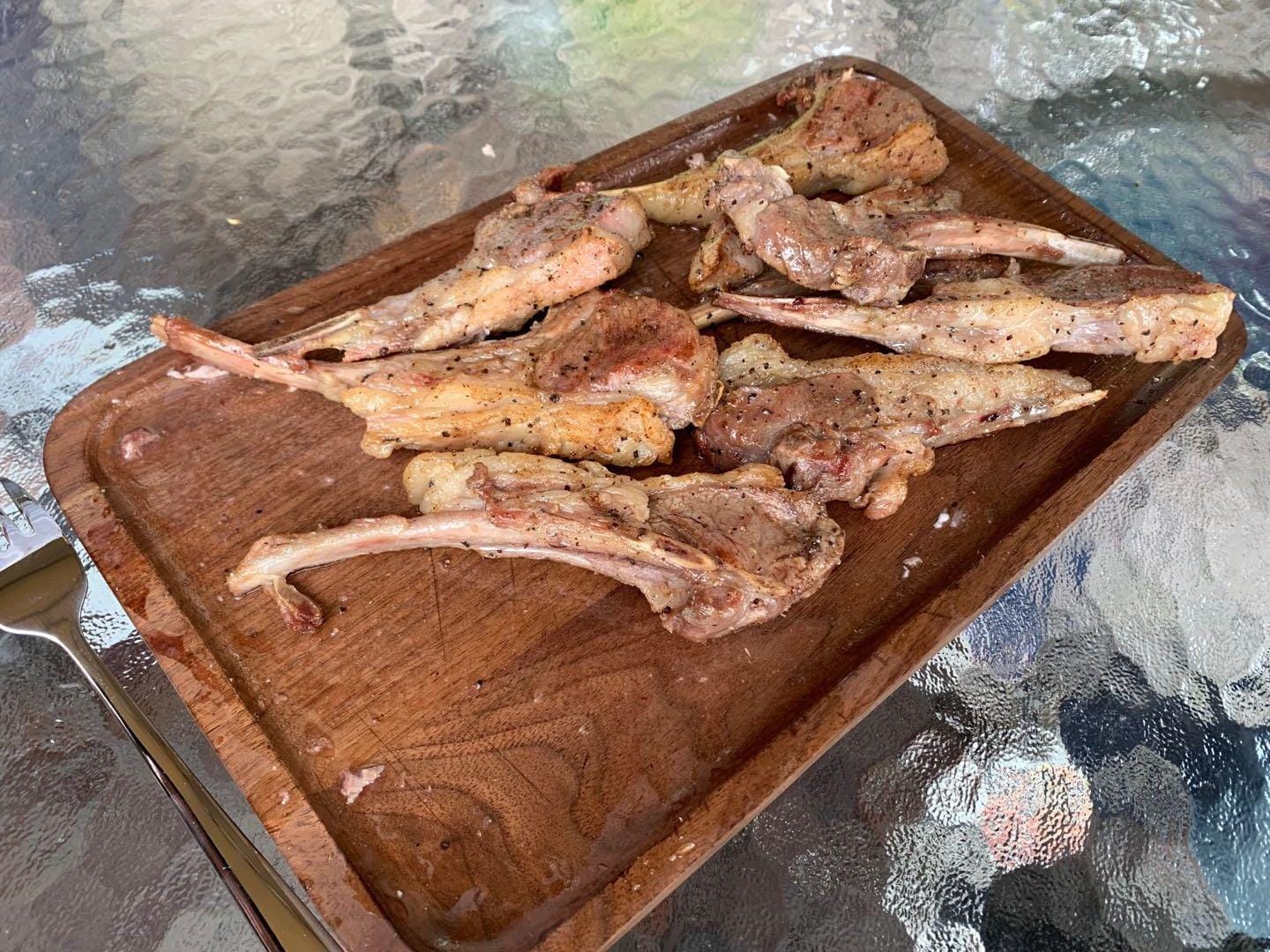
Two meat probes and a 5-inch 720p touchscreen come standard, and the Flame Tech PID runs 120 to 500F with dual sensors. Owners report steady, even heat across the rack with no hot spots, which is not a given at this size. Flavor on ribs, pulled pork and tomahawks is regularly praised for the money.
The ASCA steam technology is a genuine differentiator rather than a marketing label. It infuses smoke while holding moisture in the meat, which matters most on the short cooks this grill is actually suited to.
Reliability is the thing to weigh here
Sentiment on this one is split, and the reason is consistent. The touchscreen can go blank mid-cook, firmware updates are needed before it behaves smoothly, and several owners report the battery failing well short of the advertised 8 to 10 hours. The share of one-star reviews here is the highest in this roundup, and there are isolated reports of a defective ignitor and inconsistent customer service.
Who should buy the ASMOKE Guga’s Pick
Buy it for off-grid cooking, RV use, or as a second grill for quick weeknight smokes. Pass if you plan overnight cooks that outlast the battery, or if a touchscreen that can go dark mid-cook would make you nervous.
4. Brisk It Zelos-450 – Best Budget Pick With App Control
Brisk It Zelos-450 Wood Pellet Grill & Smoker, 450 Sq In, WiFi and A.I.
450 sq. in. cook space
180-500F adaptive PID
12 lb hopper
70.5 lb body
App control
Pros
- Least expensive grill in this roundup
- Simple assembly and easy operation
- App timers and probe alarms work well
- Meat probe and waterproof cover included
- Auger runs smoothly for satisfied owners
Cons
- Thin steel causes 5-10F temperature swings
- The AI assistant is called a gimmick by reviewers
- App drops connection and misses out-of-range alerts
The Zelos-450 exists because of a specific question: can you get a WiFi pellet grill without paying a connectivity premium? At 450 sq. in. it is also a sensible middle size, roughly 15 burgers or 2 rib racks, which covers most weeknight and small-holiday cooks.
Buyers consistently rate it as a capable entry-level WiFi pellet grill and call out how straightforward assembly and operation are. The app is well liked for setting timers and probe-temperature alarms, which are the two features that actually change how you cook.
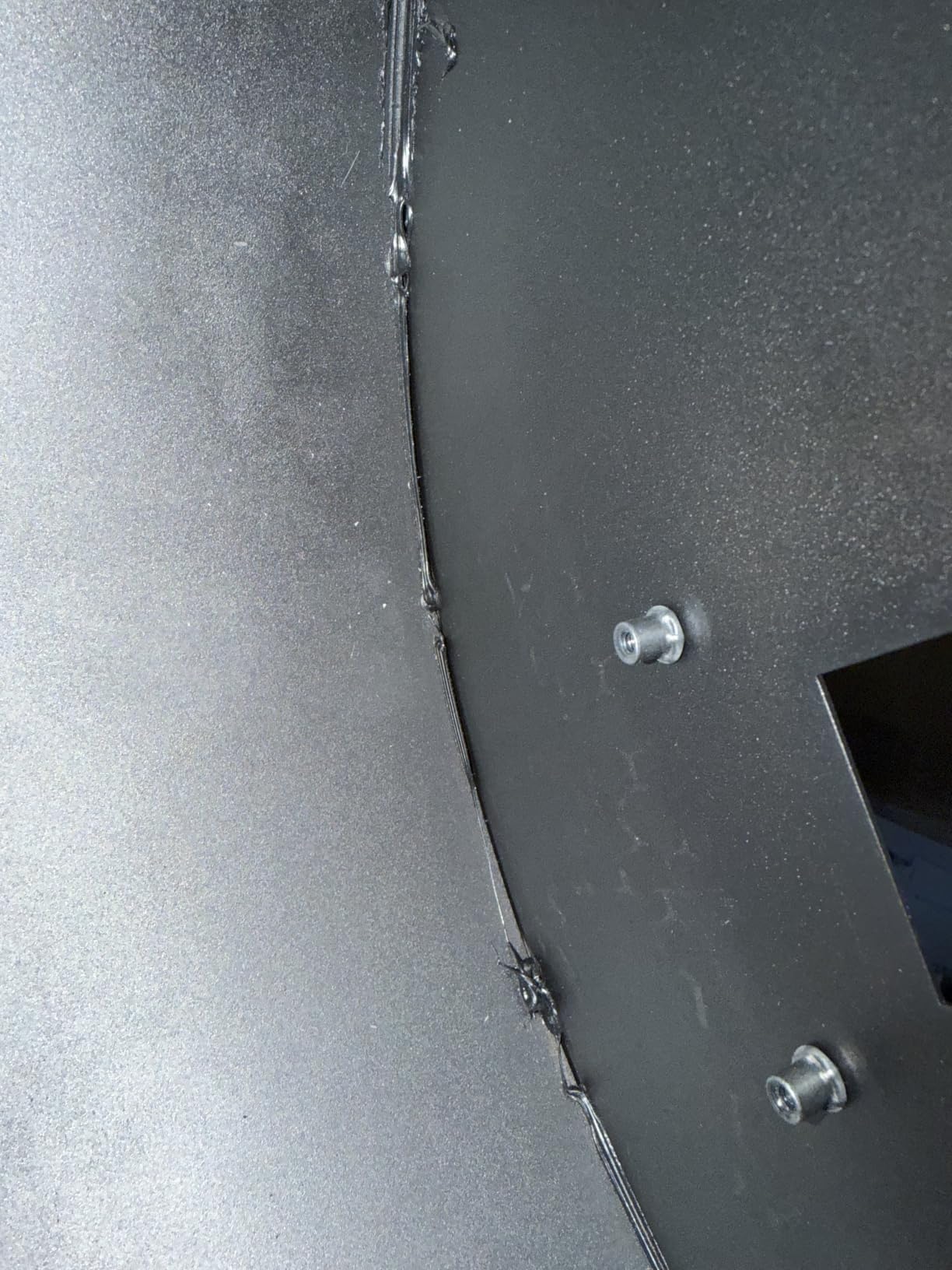
The industrial-grade adaptive PID is specified from 180F to 500F on a high-resolution display, and the 7-in-1 list covers smoke, grill, barbecue, bake, roast, sear, braise and char-grill. A 12 lb hopper, rugged wheels, a meat probe and a waterproof cover all come in the box, which is a generous kit for the money.
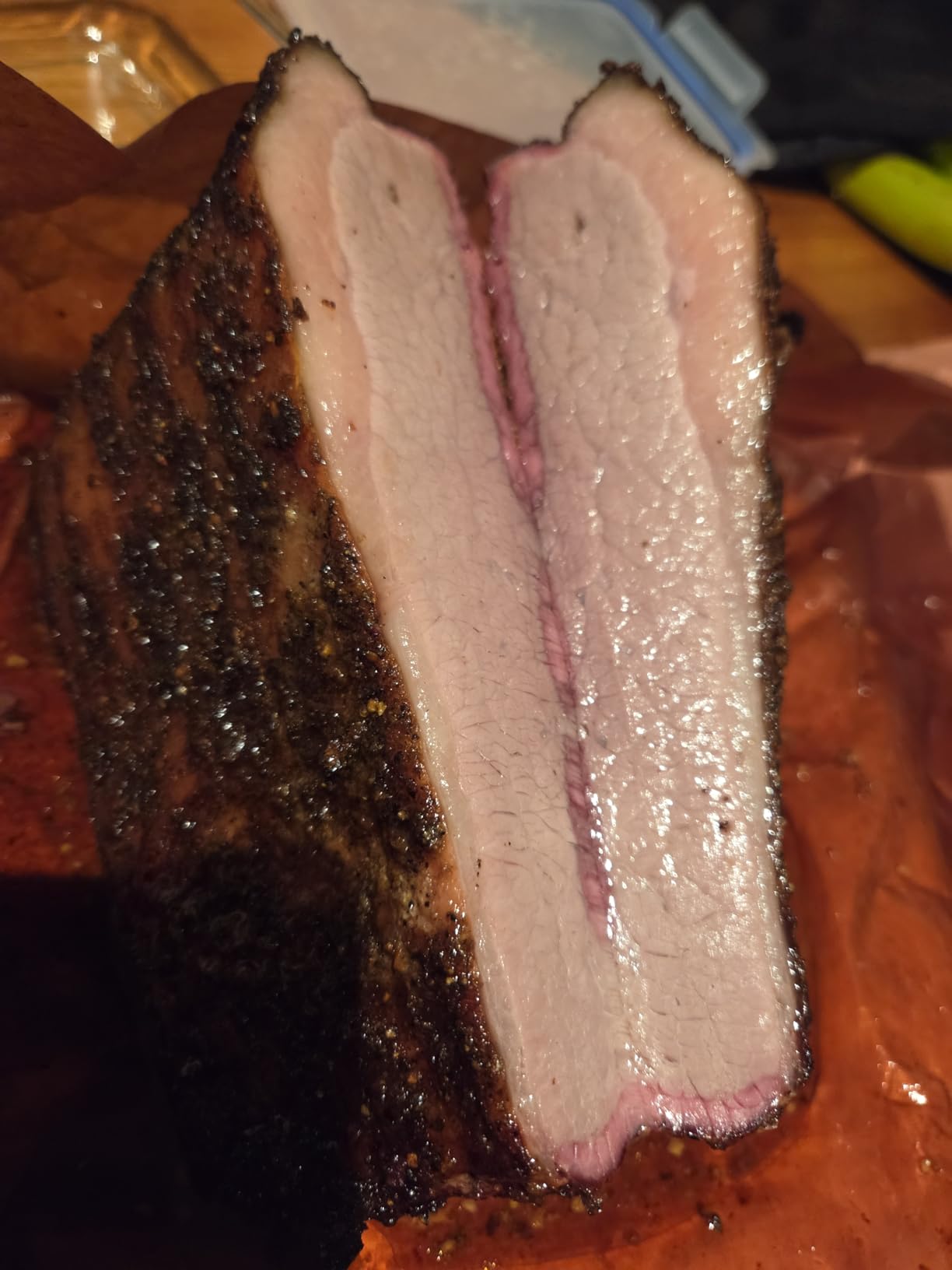
One practical warning: a full packer brisket will not fit on the 450 sq. in. grate, and the low overall height is awkward for taller users. Know your cook before you buy.
What the app does and does not do for you
Two honest expectations. The Brisk It A.I. natural-language cooking assistant is described as a gimmick by several reviewers, so treat the marketing language as aspirational rather than functional. And the app can drop the WiFi connection, with out-of-range temperature alerts that do not reliably arrive.
If your main appeal is remote alerts, this is the grill in the roundup where that promise is least dependable. If your main appeal is a modest, good-looking grill with app control and a short learning curve, the trade is reasonable.
Who should buy the Brisk It Zelos-450
Choose it if you are on a strict budget, you are buying your first WiFi pellet grill, and you mostly cook for two to four people. Look elsewhere if temperature consistency is your priority: thin steel leads to swings of 5-10F or worse, and a PID that drifts makes remote monitoring less meaningful.
5. Camp Chef 24 in. Woodwind – Best for Searing and Multi-Probe Cooks
24 in. WIFI Woodwind Pellet Grill & Smoker – WIFI & Bluetooth Connectivity
WiFi and Bluetooth PID
4 probe ports
160-500F at 25000 BTU
Slide and Grill to 650F
3 yr warranty
Pros
- Four probe ports with probes included
- Slide and Grill levers to direct flame at 650F
- Ash Kickin' Cleanout needs no disassembly
- Reaches cooking temperature in about 10 minutes
- WiFi plus Bluetooth gives a fallback path
Cons
- WiFi pairing is unreliable and some models will not link
- Smoke Control levels 1-10 vary between cooks
- Front shelf is not included
The Camp Chef Woodwind is the one on this list built around a lever. Slide and Grill moves the cooking grate over the firepot for direct-flame searing up to 650F, and then back for indirect cooking, so one grill handles a smoke and a steak without a separate sear box.
Four meat probe ports with probes included is the rarest feature in this roundup, and for anyone cooking multiple proteins at once it is the reason to look here first. The WiFi and Bluetooth PID controller runs 160 to 500F at 25000 BTU with dial-in smoke settings from 1 to 10.
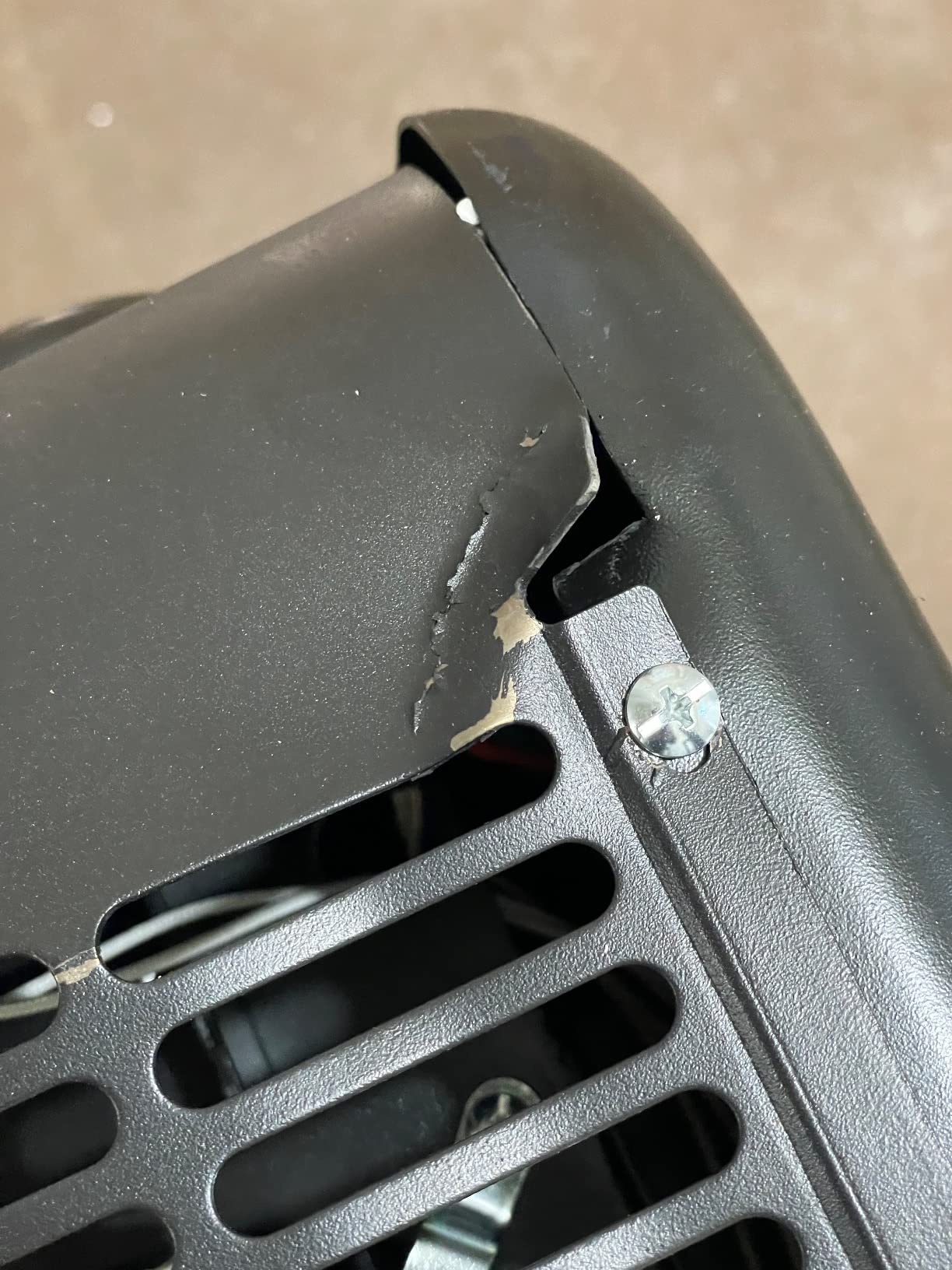
Once it has run a few cooks, owners report the PID holding within about 3F, and it reaches cooking temperature in roughly 10 minutes. The patented Ash Kickin’ Cleanout is the feature reviewers mention most: pull the release, brush the grate, no disassembly. On a grill you use twice a week, that saves real time over a season.
The grill itself earns strong marks. The WiFi layer is where the complaints live, not the cooking.
Plan around the WiFi pairing step
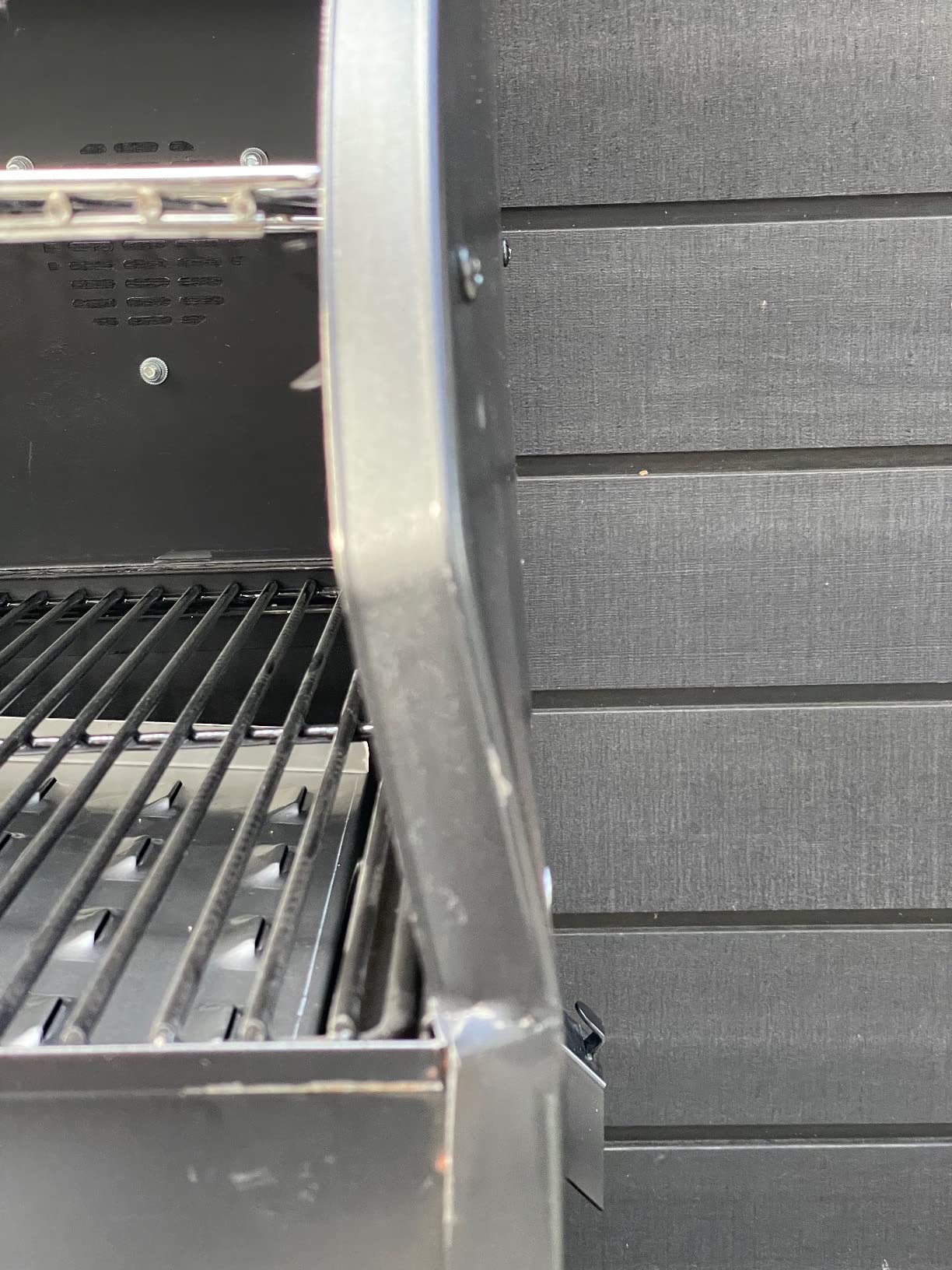
This is the most consistent connectivity complaint in the roundup. Some units will not link at all, and owners frequently report having to open the app before powering the grill. Treat the app as a companion to a good grill rather than as the main way you run it.
Two other things to know. The 1 to 10 Smoke Control settings produce noticeably different results from cook to cook, so do not expect a repeatable smoke profile. And the front shelf is not included, which matters on a 42-inch-wide body where prep space is the limiting factor.
Who should buy the Camp Chef Woodwind
Buy it if you sear and smoke on the same cook, if you run multiple probes, or if cleanup speed is the thing you hate most. Pass if your cook plan is long unattended smoking where a dropped connection would leave you blind: Bluetooth helps as a fallback, but the WiFi layer here is the weakest of the big-cabinet grills on this list.
6. Pit Boss 850 Navigator – Best for Long Hopper Runs
Pit Boss 850 Navigator Series WiFi & Bluetooth Wood Pellet Grill & Smoker, Flame Broiler and LCD Digital Controller, 932-Sq. In. Cook Space, 180°F to 500°F Temp Range, Meat Probe, 30 lb. Hopper
932 sq. in. cook space
WiFi and Bluetooth
180-500F
30 lb hopper
5 yr warranty
Pros
- Highest owner rating in this roundup
- 30 lb hopper with a fuel viewing window
- Folding front and side shelves add prep space
- 5 year warranty with a shutdown and cool-down mode
- Consistent temperature once assembled
Cons
- App is slow and forces repeated logins
- Alarms are not usable on the app
- Grease trap is difficult to reach underneath
Cooking performance is the reason the 850 Navigator has the highest owner rating in this roundup. Fan-forced convection delivers consistent indirect heat, and owners report the grill holding a steady temperature once assembled and cleaned up.
The 30 lb hopper is the headline number for long cooks. With a built-in viewing window you can see the fuel level, and combined with the shutdown and cool-down mode, that is the configuration most people want for overnight brisket without getting up at 3am to check the auger.
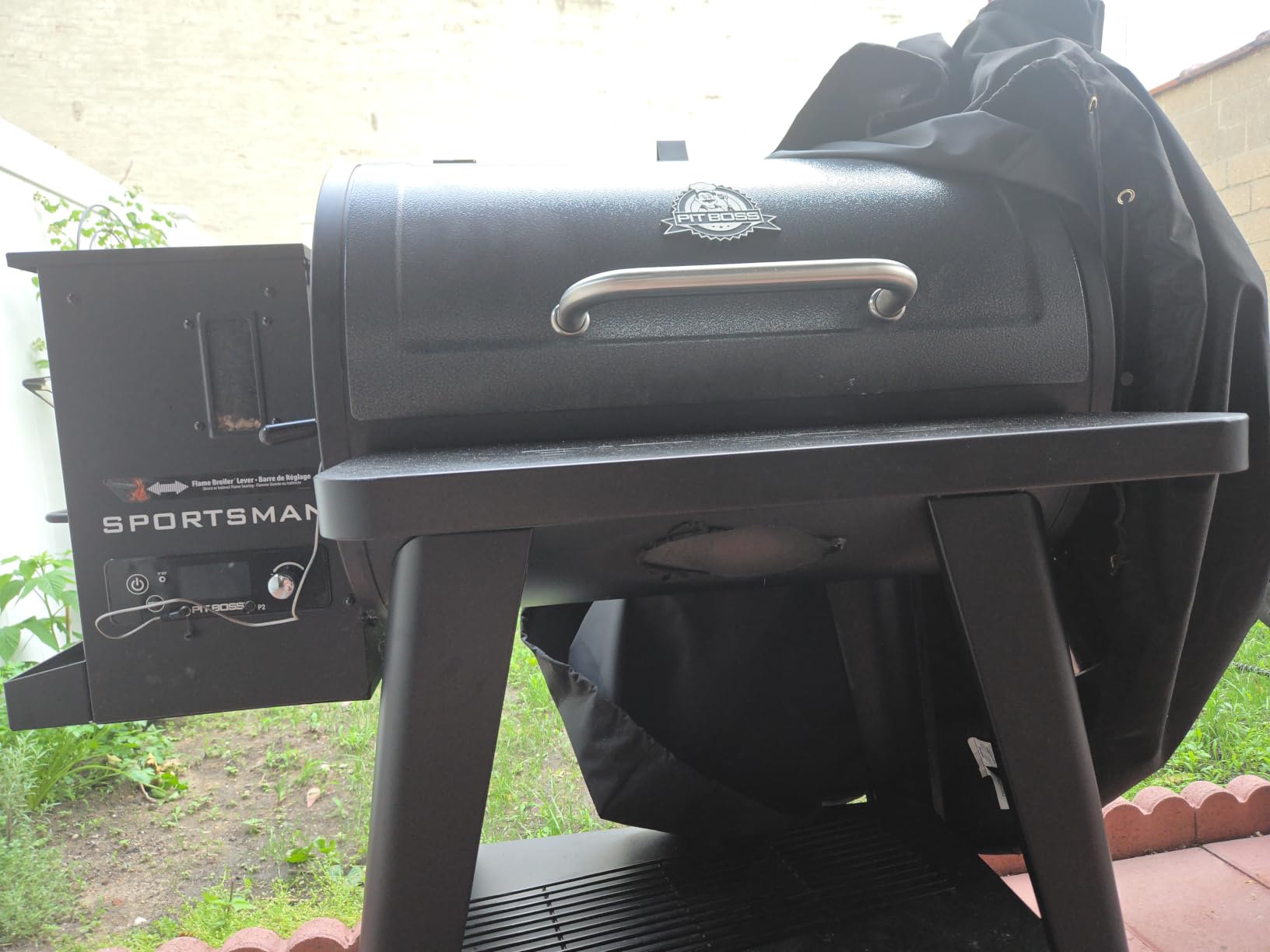
At 932 sq. in. it is large enough for a genuine group cook, and the folding front and side shelves add prep space that several competing grills charge extra for or omit entirely. Two meat probes are included, and the range runs 180 to 500F.
The 5 year warranty is one of the longer ones we cover, which matters when you are buying a grill whose electronics are the expensive failure point.
The app is the weak half of this grill
Be clear-eyed here. Reviews split sharply on the smart features even while the cooking scores well. The app is described as unstable and slow to connect, it lacks usable temperature alarms, and it forces repeated logins with multi-factor authentication, which is a genuine annoyance on a cook you are monitoring from inside.
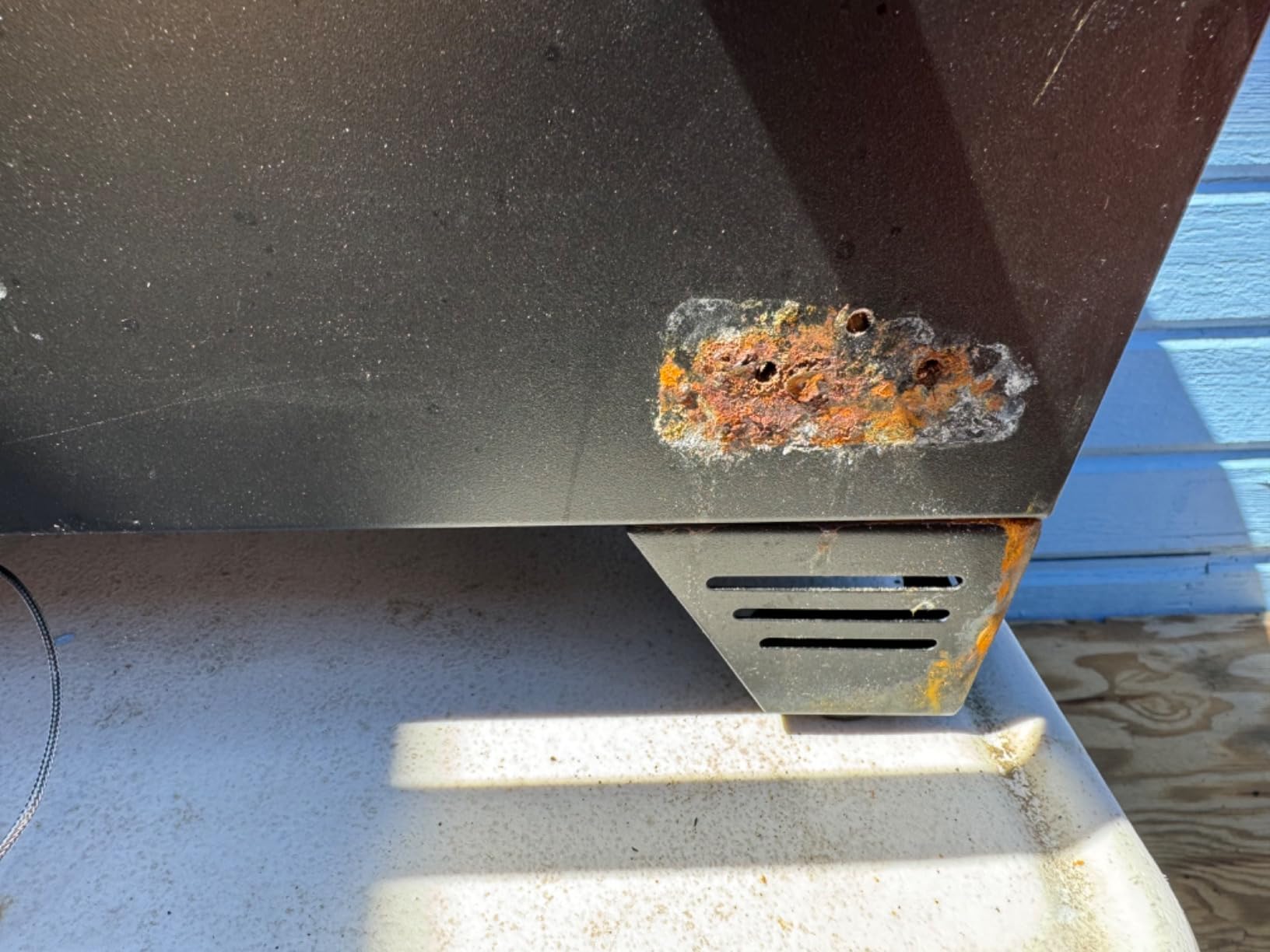
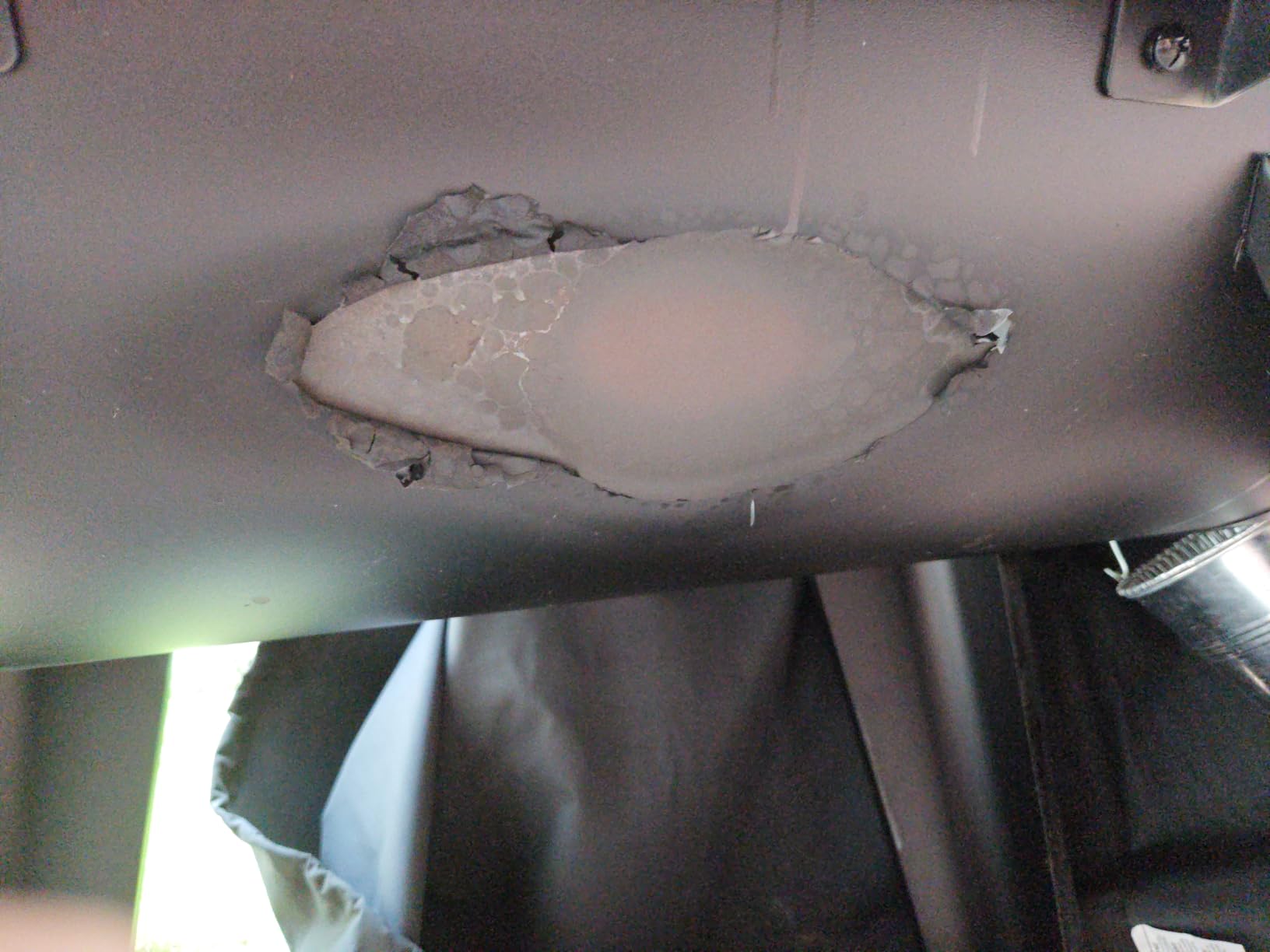
There are also hardware notes worth knowing. The grease trap is awkward to access from underneath, the internal grease drain has a low point that can route grease back toward the firepot, and a few owners report peeling paint and rust on the burn box after about a month.
Who should buy the Pit Boss 850 Navigator
Buy it for capacity, hopper size, shelf space and warranty. If your cook plan is a 12-hour brisket for a crowd, this configuration is hard to argue with. Pass if phone control is the entire point of the purchase: you would be buying the best cooking results on this list with the least reliable app.
7. recteq Flagship 1600 – Best for Bulk Cooking
recteq Pellet Grill Smoker – Flagship 1600, Wood Pellet Smoker, BBQ, Wi-Fi Smart Grill, 1667 Sq. In. Cook Space, 40 lb Hopper
1667 sq. in. cook space
180-700F
40 lb hopper
40 hr runtime
Stainless steel build
Pros
- Rock-solid PID holding within 3-5F even in wind
- 1667 sq. in. fits 4 briskets and 6-8 rib racks
- 40 hours of nonstop cooking on a full hopper
- recteq app supports alerts and custom recipes
- Customer service described as fast and helpful
Cons
- No way to dump pellets when switching woods
- App pairing needs 2.4GHz and location services
- Preheat takes about 20 minutes
The Flagship 1600 is the scale answer. At 1667 sq. in. of cooking space it is the largest grill here, and owners report fitting 4 briskets, 2 pork butts and 6 to 8 rib racks on a single cook. If you are catering, feeding a whole neighborhood, or competing, that number changes the conversation.
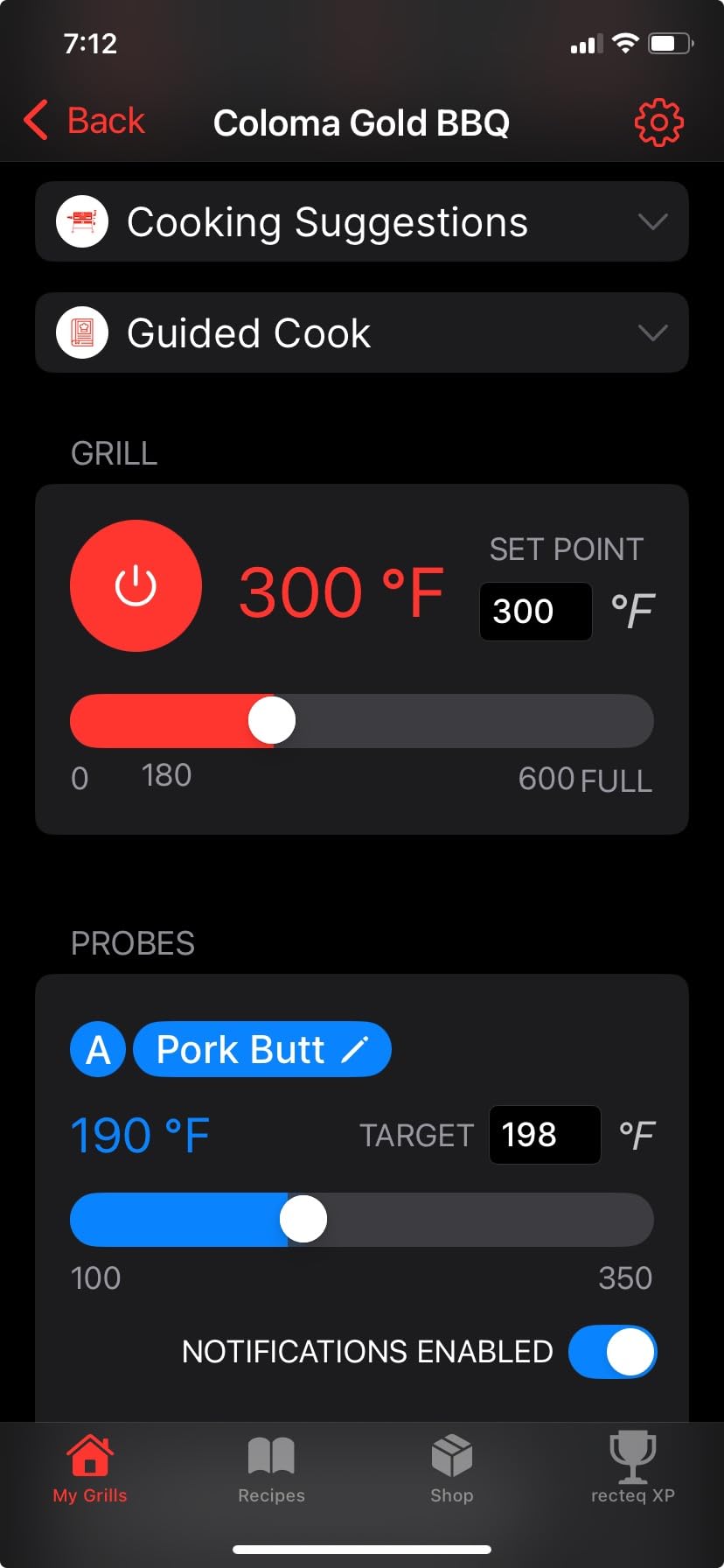
The PID is the real story. Owners describe rock-solid holding within 3 to 5F, including in wind, which is the hardest test for a pellet grill and the one that matters most for a long unattended cook. The app supports temperature alerts and custom recipes with probe alerts, and probes are reported accurate.
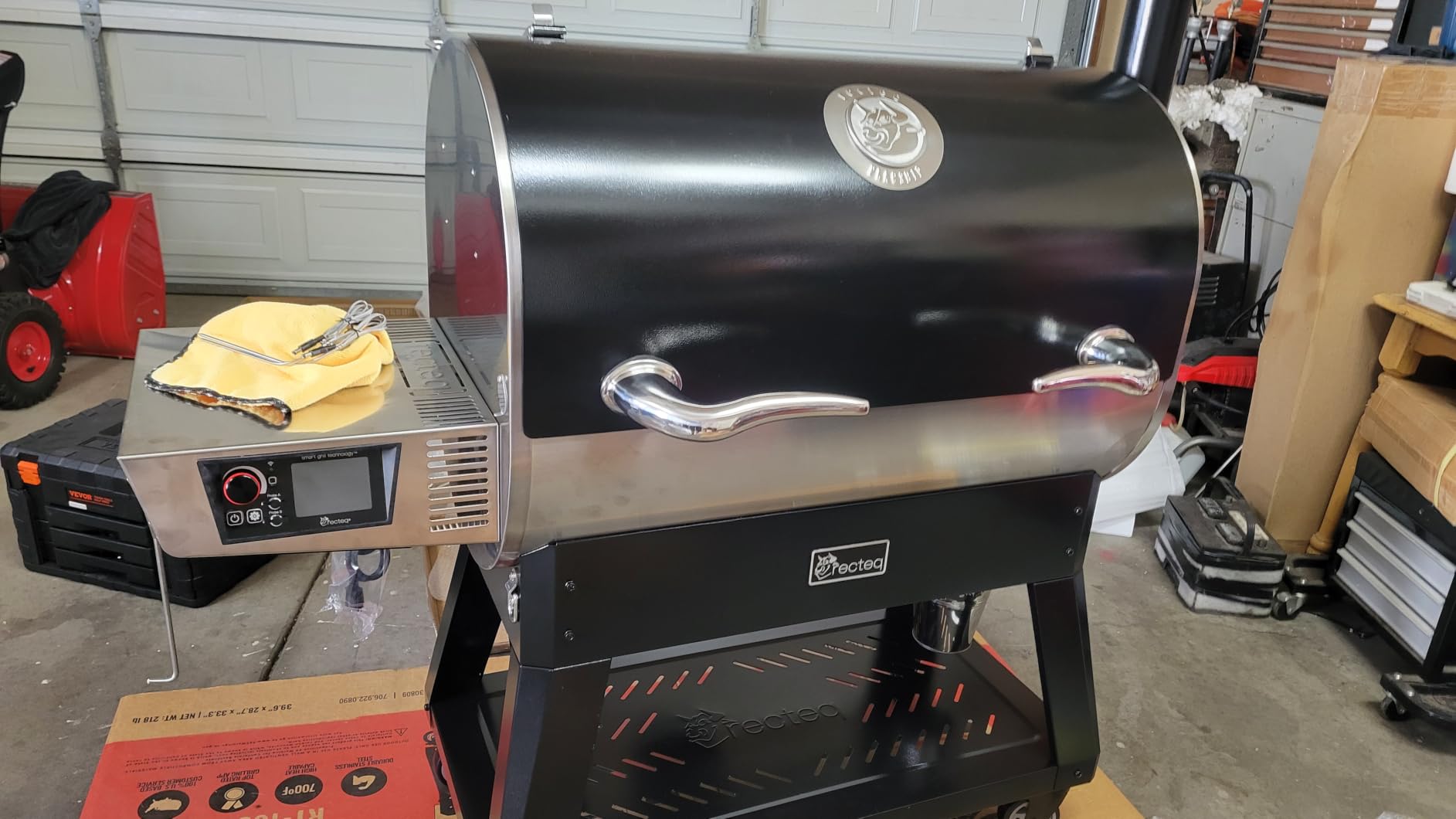
Construction is high-quality stainless steel, modeled on the original recteq RT-700, at 230 pounds. The temperature range runs 180 to 700F across smoke, BBQ, sear, bake, braise and dehydrate, and the 40 lb hopper gives about 40 hours of nonstop cooking on a full load.
One measurement caveat from owners: the griddle and cast-iron surfaces only reached about 450F at the highest setting despite the 700F claim, so treat the top of that range as a controller figure rather than a verified surface figure.
Setup details that catch people out
The app pairing is specific. recteq owners report that location services must be enabled on your phone and that the connection appears to require a 2.4GHz network, so set that up before the grill is crated in the garage. It also lacks a pellet dump, which means switching between light and heavy woods means scooping pellets out by hand.
Preheat takes roughly 20 minutes, and assembly takes time even for a confident builder. Budget an afternoon. The evidence base here is also the thinnest in the roundup, so the strong sentiment is worth reading with a little caution.
Who should buy the recteq Flagship 1600
Choose it when cook space is the constraint, when you cook in wind or cold, or when you are moving up from a smaller cabinet and want stainless construction. Skip it if your space is tight or if pellet changes mid-cook matter: there is no pellet dump, and a grill that size takes two people to move.
8. recteq DualFire 1200 – Best for Two-Zone Cooking
recteq DualFire 1200 Wood Pellet Smoker Grill, Wi-Fi Electric Pellet Grills, Dual Chambers for Hot and Fast + Low and Slow Cooking
Dual chamber design
WiFi PID control
180-700F
Stainless with cast iron deflector
Bumper-to-bumper warranty
Pros
- Two chambers let you sear and smoke at the same time
- PID holding described as unbeatable in wind and rain
- Heavy stainless and cast-iron flame deflector
- Owners upgrading from Traeger report better build quality
- Lights fast and reaches temperature quickly
Cons
- No ash cleanout door so pellets must be scooped by hand
- Assembly takes about an hour with two people
- Will not operate if the fan airflow path is blocked
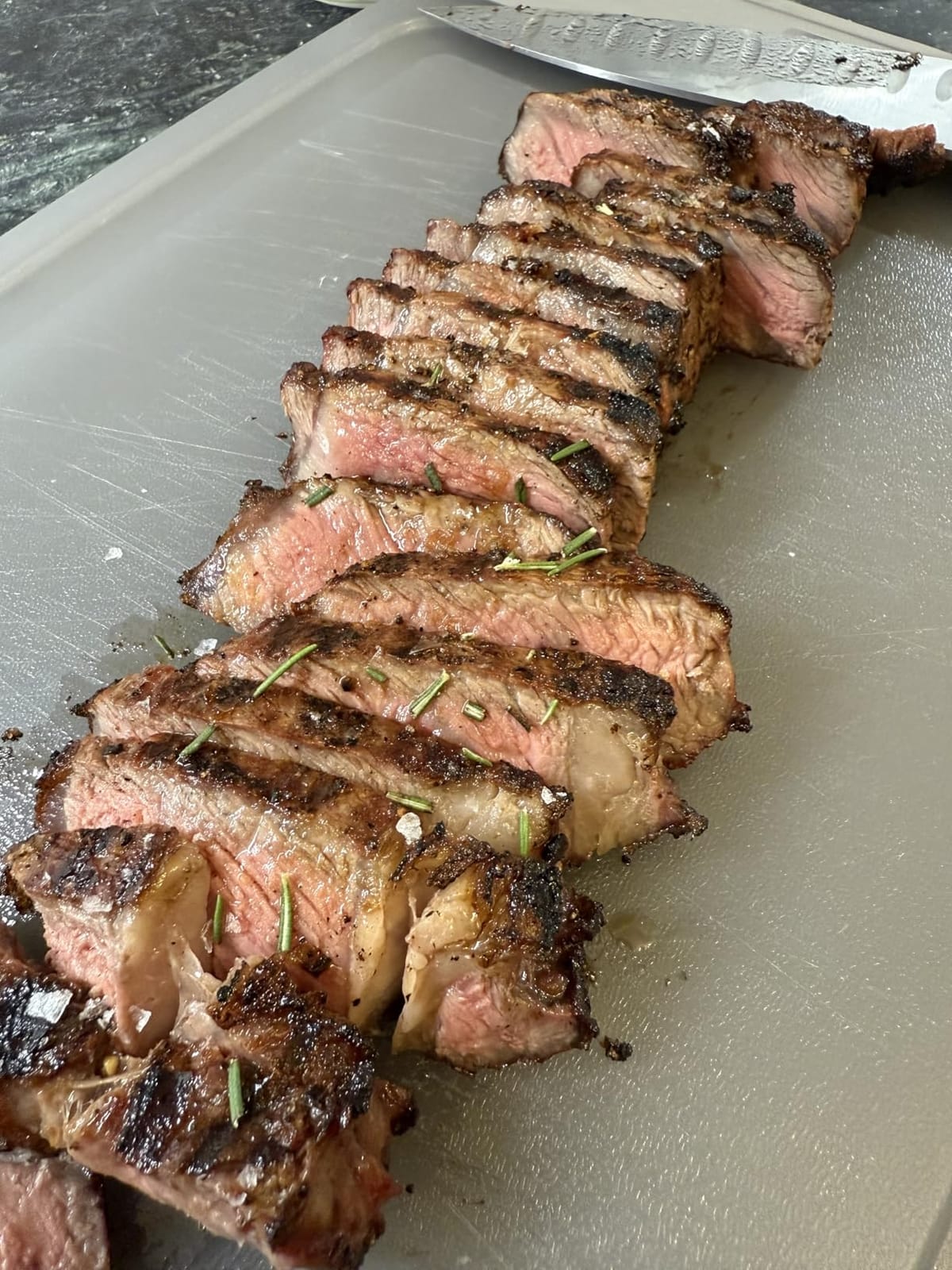
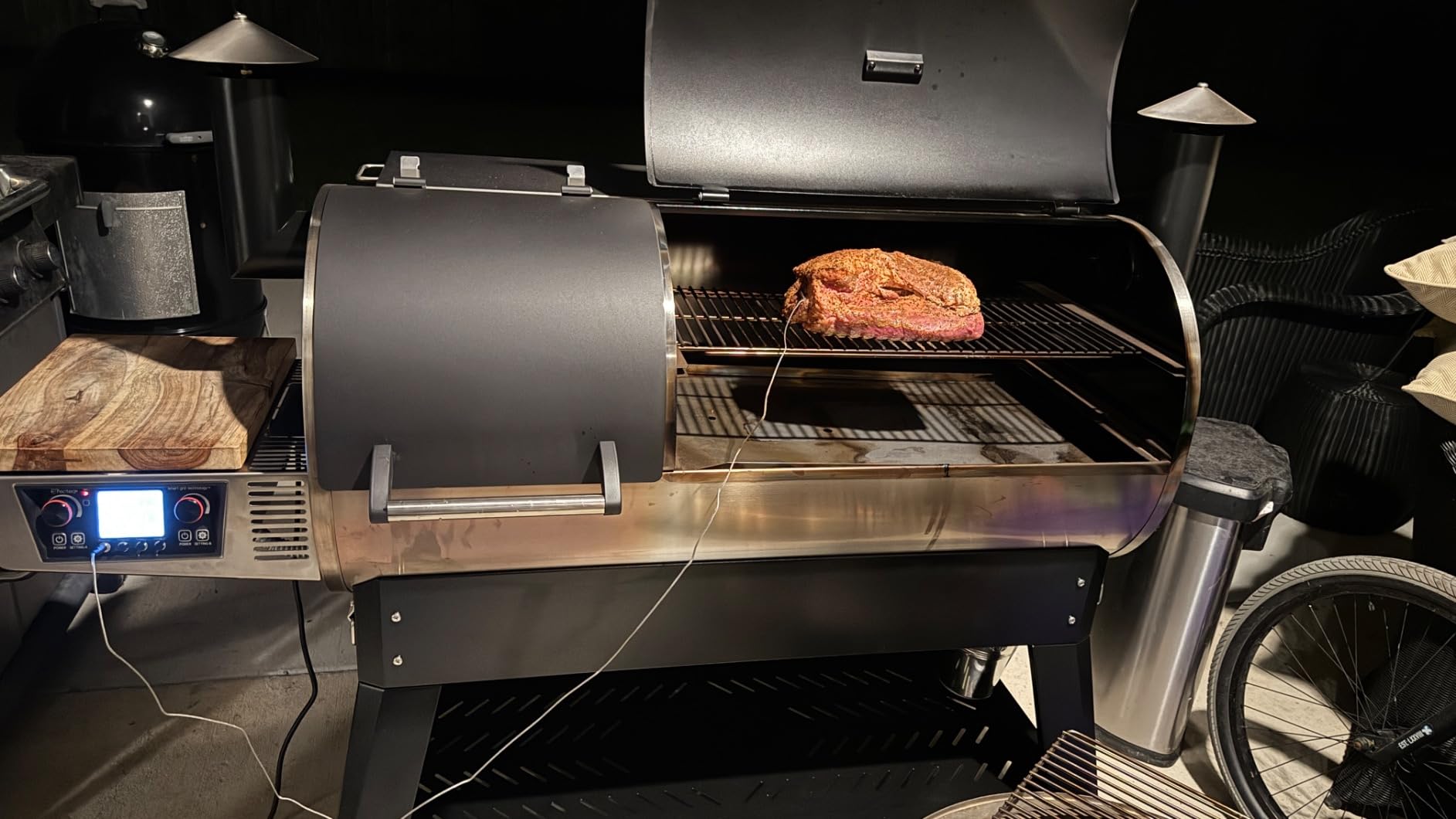
The DualFire 1200 is the only grill here with two separate chambers, and that changes what you can do in one cook. The hot-and-fast side and the low-and-slow side let you smoke wings on one side while reverse searing on the direct-heat side, which is a two-zone workflow no single-chamber grill on this list can match.
Owners who already own multiple pellet grills tend to rate this the best of the brands they have tried, citing PID accuracy and stainless construction over what they came from. Several specifically report better build quality and temperature control after moving up from a Traeger.
Temperature control is the headline. The PID is described as holding 250F through wind and rain, and the grill lights fast and comes up to temperature quickly. Construction is high-grade stainless steel with a cast-iron flame deflector, and it runs 180 to 700F with WiFi connectivity.
The optional cold smoke box turns it into a usable warmer, which is a nice touch for tailgating or a party where the rest of the food is done but you do not want to stop making smoke.
What the dual-chamber design costs you
There is no ash cleanout door, so switching pellet woods means scooping them out by hand, the same drawback owners report on the Flagship 1600. Assembly takes about an hour and needs two people to set it upright, and the grill will not operate if the fan airflow path is blocked, which is worth checking after moving it.
There are also isolated complaints: one 1-star review reports major shipping damage on arrival, and some owners dislike that it is manufactured in China rather than the US. Neither is a pattern in the reviews, but both are worth weighing if you are particular about where a grill is built.
Who should buy the recteq DualFire 1200
Buy it if you cook multiple proteins at different temperatures at the same time, or if you upgrade from a lighter-gauge cabinet and want stainless that outlasts it. Pass if you need quick ash cleanup or a fast solo assembly, and think carefully if build origin is a hard requirement.
How to Connect Your Pellet Grill to WiFi
Most pairing failures are network problems, not grill problems. This six-step process handles the majority of complaints we saw across these eight models, from mesh networks that refuse to join to alerts that never arrive.
Step 1: Put your phone on the 2.4GHz band first. Nearly every connected pellet controller, including recteq and Traeger, joins on 2.4GHz. If your phone is on a 5GHz or WiFi 6 network, it will not see the grill during setup, and this is the single most common reason pairing appears to fail.
Step 2: Pair the grill in its final location. Signal strength is the number one complaint on r/pelletgrills, with grills parked 40 to 60 feet from the router or behind walls losing connection mid-cook. Pair where the grill will actually stand, not next to the router in the garage.
Step 3: Test the signal before you unbox anything. Walk a phone to the spot where the grill will sit and check the 2.4GHz signal. Weak signal here predicts a frustrating first month. If it is marginal, solve the network before solving the grill.
Step 4: Add a mesh extender in the same week as the grill. If the grill sits far from the house or behind a fence line, buy a dual-band mesh node or extender when you order the grill, not three weeks later when you have already cooked on it. Placement, not the controller, is the variable behind most connection complaints.
Step 5: Open the app before powering the grill. Camp Chef owners in particular report that the Woodwind often will not link unless the app is already open, and that some units refuse to connect at all until this order is reversed. If pairing stalls, power the grill down, open the app, and try again.
Step 6: Update firmware and set probe alerts before the first cook. Several models ship with fixes pending, including touchscreen behavior on the ASMOKE. Then set your probe alerts inside the app and send yourself a test notification, because an alert you have never tested is not an alert you can rely on at midnight.
If a controller will not rejoin after a network change, the standard fix is a manual forget-WiFi reset from the grill menu, then a fresh pair. Bluetooth on the Camp Chef and Pit Boss gives you a working fallback during a network outage.
Is WiFi Control Worth the Premium?
Usually, but not for everyone, and the threshold is easy to name. WiFi control is worth the extra money when your cooks run longer than about three hours. That is brisket, pork shoulder, whole birds and ribs, and it is where an alert at pull temp replaces an afternoon of checking a dial.
It is not worth the premium if you mostly sear steaks for 10 minutes or cook burgers on a weeknight. In those cooks you are standing next to the grill anyway, and the app adds a pairing ritual and a monthly reason to think about firmware.
The other half of the answer is that connectivity costs differ a lot between bodies. The same grill body often exists in a connected and a non-connected version, and the gap between them is where your money actually goes. On the budget end, the Brisk It Zelos-450 and the ASMOKE both deliver app control at the entry of the category, which means you no longer have to choose between connectivity and a sensible price.
One more consideration beyond the sticker difference: a longer warranty is partly a bet that the electronics last. A grill with a 5 year or bumper-to-bumper warranty is making a stronger statement about the WiFi module, the controller and the auger motor than a 3 year warranty is.
What to Check Before You Buy a WiFi Pellet Smoker
Which app ecosystem you are locking into
There is no universal pellet grill app. WiFIRE, RECQ, Camp Chef Connect, the Pit Boss app, the Green Mountain Grills app and the Brisk It app each drive only their own hardware, and none will adopt a controller from another brand. Decide which ecosystem you want to be inside for the life of the grill before you compare grills, because you cannot transfer an account or a controller later.
It is also a real risk to weigh. A brand that exits the category or retires its app leaves a perfectly good grill with a dead remote. That is not a reason to skip WiFi, but it is a reason to favor an app with a large active user base, and to keep Bluetooth or a local dial interface in mind as a fallback.
WiFi bands, router placement and mesh extenders
Check three things: whether the controller joins on 2.4GHz only or supports dual-band, how far your router sits from the grill’s spot, and whether the grill has a Bluetooth fallback. recteq units are described by owners as holding connection at backyard range better than 2.4GHz-only competitors, though they do require a 2.4GHz network and enabled location services.
Buy the grill and the network solution in the same week. That one habit prevents most of the connectivity complaints in this category.
How many meat probes the controller supports
Probe ports decide how many proteins you can monitor at once, and the differences are larger than the spec sheets suggest. The Camp Chef Woodwind has four probe ports with probes included, which is unusual. The Traeger Ironwood 885 is 4 probe capable but ships with one wired probe. The Pit Boss 850 Navigator includes two. A single probe means you cannot watch a brisket and a rack of ribs at the same time.
Cook space, hopper capacity and temperature range
Cook space is the number that decides whether you cook one rack or eight. The range here runs from 271 sq. in. on the ASMOKE to 1667 sq. in. on the recteq Flagship 1600, with the 885 sq. in. Ironwood and 932 sq. in. Pit Boss covering the middle of a real group cook.
Hopper capacity is the number that decides whether you can sleep. A 12 lb hopper on the Brisk It is fine for a day cook, while 30 lb and 40 lb hoppers on the Pit Boss and recteq Flagship are built for overnight runs. Temperature range matters more than most people expect: the recteq grills reach 700F at the controller while the Traeger tops out at 500F, and the Camp Chef’s Slide and Grill lever gets direct-flame searing to 650F.
Warranty length as a proxy for electronics lifespan
What is the life expectancy of a pellet grill? Often well beyond the electronics warranty, but the warranty is the best public signal you get. The Pit Boss 850 Navigator carries 5 years, the two recteq grills are backed by bumper-to-bumper coverage, the Traeger Ironwood 885 and the Camp Chef Woodwind carry 3 years, and the Green Mountain Grills Trek Prime 20 includes 3 years of parts and labor.
Since you are buying a grill whose most failure-prone components are the WiFi module, controller and auger motor, the length of that warranty is a reasonable proxy for how long the connected parts will be supported.
Who should skip WiFi entirely
Skip it if your budget is fixed and the grill body matters more, if you have a weak 2.4GHz signal and no plan to improve it, or if you only ever cook under three hours. You are not losing much, and you avoid a pairing ritual you would resent.
For parents and beginners, the same reasoning applies in a different form. Our guides to remote control gadgets worth the app come back to the same question: does the connectivity solve a real problem you already have, or is it just a checkbox on a spec list?
Frequently Asked Questions
What pellet smoker has both WiFi and Bluetooth?
The Camp Chef 24 in. WiFi Woodwind and the Pit Boss 850 Navigator both run a WiFi and Bluetooth PID controller. Bluetooth acts as a fallback when the network drops, so you can still send commands and read probe temperatures within Bluetooth range. The Traeger Ironwood 885 uses WiFIRE over WiFi with Bluetooth for initial pairing.
What smoker can I control with my phone?
All eight grills in this roundup can be controlled from a phone: set or change target temperature, start and stop the cook, and receive probe alerts. The Traeger Ironwood 885 adds pellet-level monitoring, and the Brisk It Zelos-450 and ASMOKE also include a local touchscreen so you are not dependent on the app.
Is there a WiFi smoker controller available?
Yes, and retrofitting one is a real option. Third-party WiFi and Bluetooth controllers exist for pellet grills, though installation means opening the cabinet and wiring the module to the existing probe and controller connections. Buying a grill with connectivity already installed is simpler and keeps the warranty intact.
How do I set up WiFi on a pellet smoker?
Put your phone on the 2.4GHz band, pair the grill where it will actually sit rather than next to the router, and add a mesh extender if the signal is weak. Open the app before powering the grill, update the firmware, and send a test probe alert before your first real cook.
Is a WiFi pellet grill worth the extra cost?
It is worth it when your cooks run longer than about three hours, because an alert at pull temp replaces checking the dial all afternoon. It is not worth it for 10-minute steaks. Connectivity also costs far less at the entry of the category than it used to, so a sensible price and an app are no longer mutually exclusive.
Do all pellet grill apps work the same way?
No. Each brand runs a closed app tied to its own hardware, and none will adopt or transfer a controller from another brand. WiFIRE, RECQ, Camp Chef Connect, the Pit Boss app, the Green Mountain Grills app and the Brisk It app each have different feature sets, probe support and connection behavior, so research the app as carefully as the grill.
The Bottom Line
The best pellet smokers with WiFi control in 2026 come down to what you cook and how long it takes. The Traeger Ironwood 885 is the pick for almost everyone: 885 sq. in. of two-tier cooking space, Super Smoke Mode, four-probe capacity, a three-year warranty and the most complete app in the category, including the only pellet-level fuel sensor in this roundup.
Buy the Brisk It Zelos-450 if you want app control at the entry of the category and cook for two to four people, and accept the thin steel and the AI assistant being mostly marketing. Buy the Green Mountain Grills Trek Prime 20 if the grill has to travel, and the ASMOKE Guga’s Pick if you need to cook where there is no network at all.
Go larger when your cooking demands it: the Camp Chef 24 in. Woodwind for searing plus four probes, the Pit Boss 850 Navigator for a 30 lb hopper and the best owner rating here, the recteq Flagship 1600 for bulk cooks, and the recteq DualFire 1200 for two-zone cooking in one box.
Whatever you choose, buy the router fix in the same week as the grill. A strong 2.4GHz signal at the grill’s spot does more for your experience than any feature on the spec sheet.